Season 2 of Mr. Robot opens with a dramatic hack: the fsociety collective infiltrates Susan Jacobs' home—the General Counsel at E Corp. They remotely trigger lights, alarms, AV systems, and even spike the shower water temperature to scald her, forcing her to flee while awaiting repairs.
While the show's Samsung Smart Fridge hack raises eyebrows (a real vulnerability in its SSL certificate validation was found by UK firm Pen Test Partners), high-end systems like Crestron or Control4 are pricey elite installs. The good news? You can replicate this setup affordably with off-the-shelf gear and some savvy integration. As someone who's built multiple DIY smart homes using platforms like OpenHAB and SmartThings, here's how.
The scene starts with Jacobs returning from a run, her 'My Fitness' tracker offline. Use a Fitbit or similar wearable to trigger IFTTT automations—perfect for smart home entry points. When she enters, the alarm blares; a geofence on her phone or smartwatch (via SmartThings or Raspberry Pi Bluetooth detection) auto-disarms it.
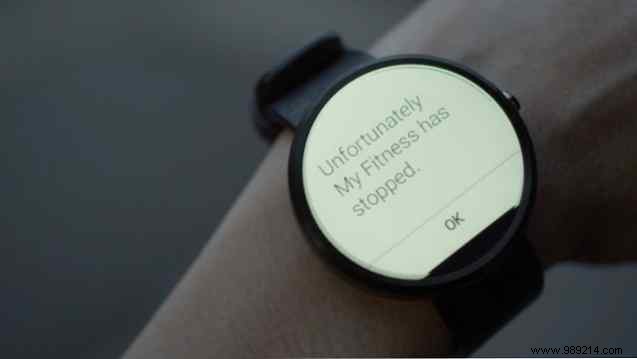
DIY example: Pair a smartphone proximity sensor with a relay for auto-locking doors. Cost: Free with IFTTT and your phone.
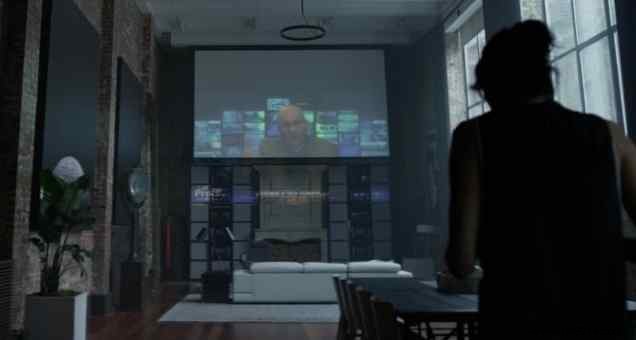
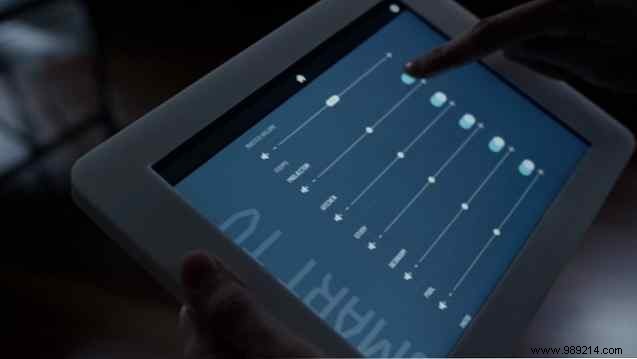
An anti-capitalist news blast plays; she grabs a tablet (branded vaguely) to shut it down. Modern hubs offer app control. Logitech Harmony Elite integrates 'dumb' AV via IR, works with Alexa, SmartThings, and more.
Logitech Harmony Elite Remote Control, Hub and App, Works with Alexa. Buy Now On Amazon $248.65. Cost: $350 per room.
For motorized screens, use RF remotes with Hook hub ($50) or DIY OpenHAB relay. Homegear 110” HD Motorized 16:9 Projector Screen with Remote. Buy Now on Amazon $149.99.
Blasting classical music greets her from the pool. Sonos delivers robust multi-room sound with hacking potential—like Raspberry Pi voice alerts.
Sonos Play:5 - The ultimate wireless smart speaker for streaming music. Work with Alexa. (Black). Buy Now On Amazon $496.99. Or budget with Chromecast Audio ($35). Cost: $35–$500 per room.
Shower water heats dangerously (TV drama; real digital controllers like Kohler DTV exist but aren't web-connected yet). Then the house chills via hacked thermostat.
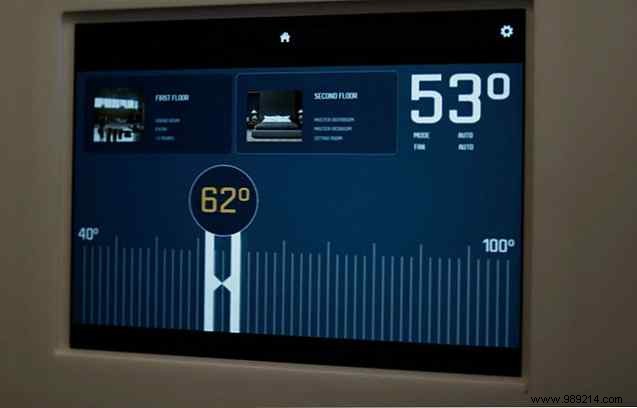
Nest Learning Thermostat shines; alternatives abound. Cost: $250 for Nest Gen 3.
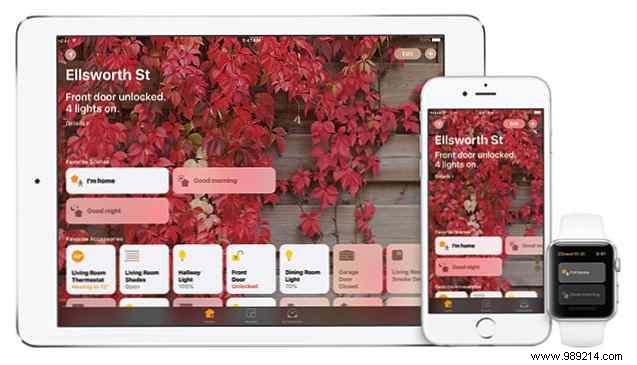
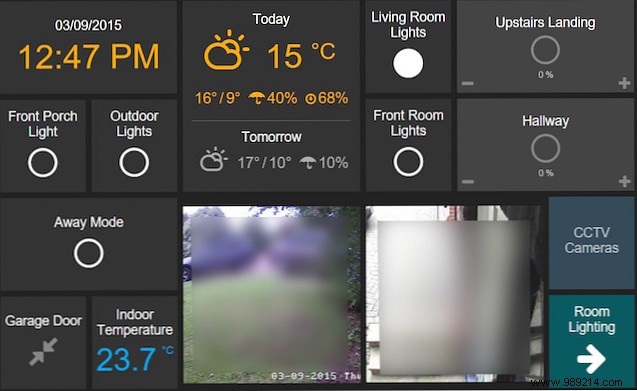
A central polymorphic dashboard unifies it all—no app-juggling.
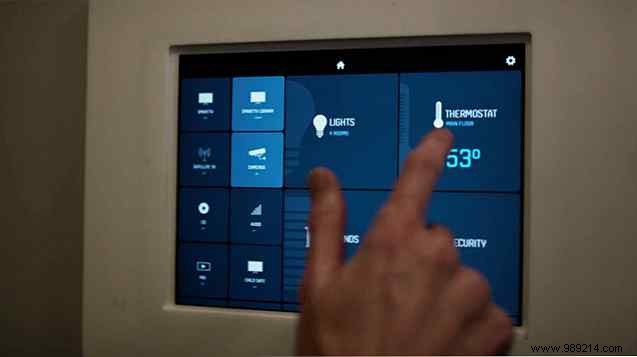
SmartThings with SmartTiles, OpenHAB, Dashing.io, or HomeSeer. Integrate Nexus with Tasker for advanced control. Cost: $250–$600 for hub/software + tablet.
Lights flash chaotically amid alarms and calls.
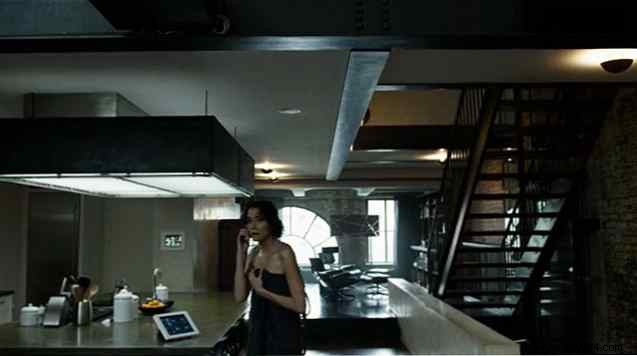
Philips Hue or LIFX bulbs integrate seamlessly. Philips Hue White and Color Ambiance 2nd Generation Smart Light Bulb Starter Kit. Cost: $30–$60 per bulb.
Forced out, Jacobs heads to her second home. This setup is achievable affordably. What's in your smart home? Share in comments!
