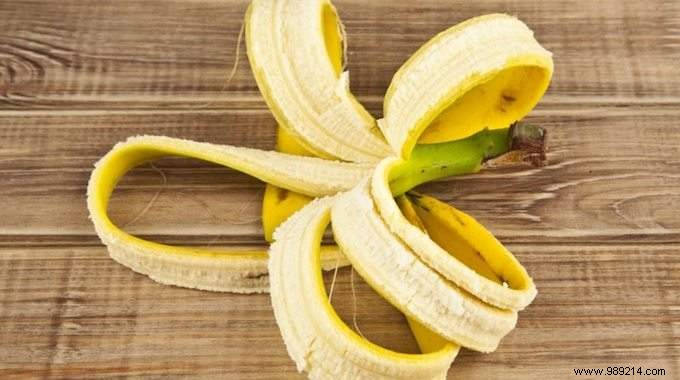
Love bananas? Whether sliced into cereal, blended into smoothies, or enjoyed solo as a snack, they're a global favorite. In France alone, households consume 12 kg per year, making them the second most popular fruit after apples.
Bananas are incredibly convenient, thanks to their natural peel wrapper. But what happens to those peels?
 Contents
 Too often, they head straight to landfills, where they rot and release methane—a greenhouse gas 21 times more potent than CO2. Food waste drives 20% of methane emissions, fueling climate change.
Luckily, experienced gardeners and zero-waste advocates have long repurposed banana peels. Here are 10 practical, expert-tested uses to minimize waste. To print this guide as a PDF, click here.

In France, 12 kg of bananas per household yearly equals 500,000 tons nationally. Peels make up 12% of that weight—60,000 tons straight to landfills!
- Grown near the equator.
- Harvested green and shipped in refrigerated trucks.
- Ripened with ethylene gas.
- Delivered to stores and homes.
- 25% end up in landfills, emitting methane.
Place peels around tomato stems for slow-release potassium and nutrients all season. Explore: 5 Natural Free Fertilizers for Thriving Plants.
Steep a peel in water overnight, then dilute 1:5 with plain water. Use to nourish houseplants. Tip: 4 Secrets for Lush Indoor Greenery.
Peels break down fast, boosting soil with potassium for veggies and flowers. Discover: 7 DIY Garden Fertilizers.
Gently rub the inner peel on bites, rashes, or psoriasis for soothing relief and faster healing. See the method here.
Dry and chop peels for chickens, pigs, rabbits, or livestock treats. Bonus: 6 Easy Chicken Feeding Hacks.
Ferment peels into tangy vinegar for salads, drinks, or recipes—sweet and versatile.
Add a ripe peel to the roasting pan; enzymes keep boneless meat juicy.
Boil organic peels 10 minutes, blend into smoothies for fiber and antioxidants. Try: Light Multivitamin Smoothie Recipe.
Hang overripe peels high; watch wildlife feast (note: bees may join). Build: Automatic Bird Feeder.
Wipe inner peel on leather, buff with cloth. For silver, blend peel with water and apply.
Perfect for cakes or muffins—freeze in bags for later.
Remove from bags, store at room temp, wrap stems in plastic to slow ripening. Fridge works too (peel blackens, fruit stays good). See the trick here.
10 million tons wasted yearly; 1.2 million edible—20 kg per person.
