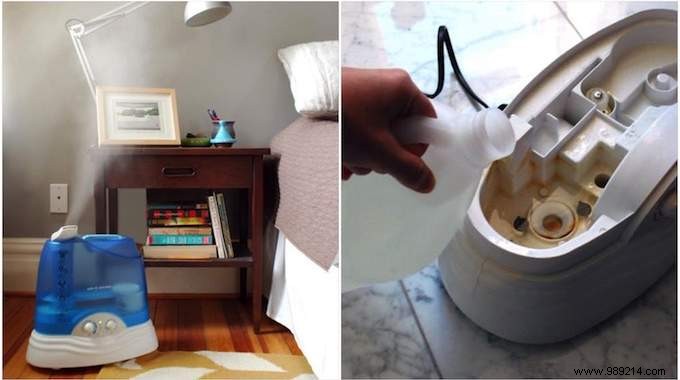
Air humidifiers are essential for maintaining comfortable indoor humidity, especially when levels drop below 45%—a common issue in both winter and summer. Low humidity can lead to dry skin, stuffy noses, itchy eyes, colds, and fatigue. However, mineral buildup from hard water quickly clogs these devices. As someone who's maintained humidifiers for years, I've found white vinegar to be the most effective, natural solution for descaling and cleaning. Here's my straightforward method:
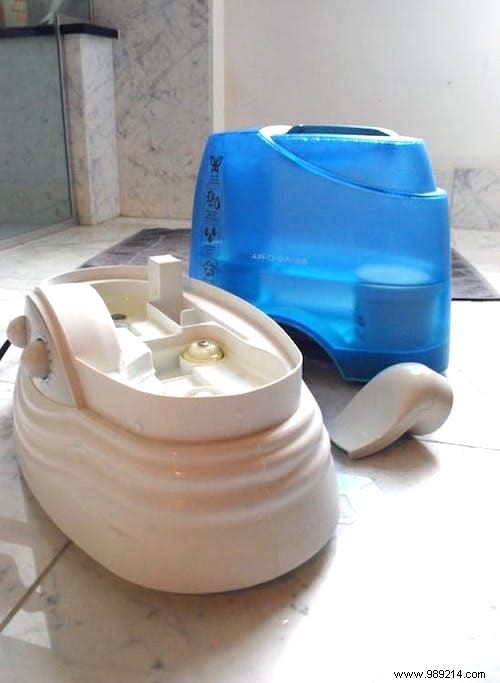
Start by emptying all water from the tank, then carefully disassemble your humidifier. Most models have safety features for safe removal of parts above the heating element—consult your user manual if needed. This exposes all areas prone to buildup for thorough cleaning.
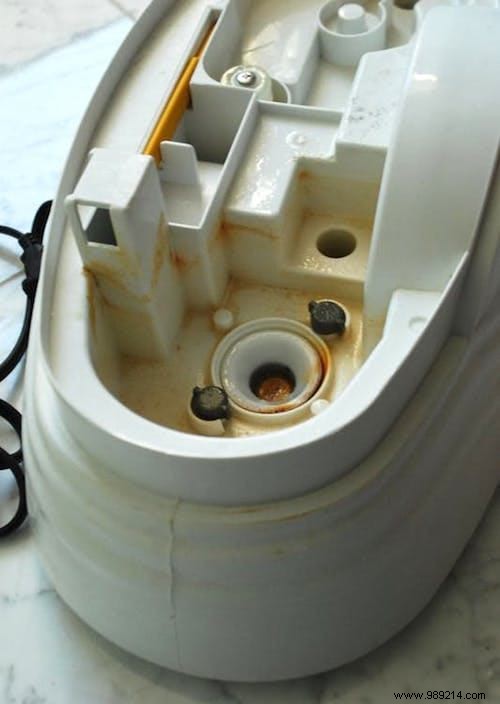
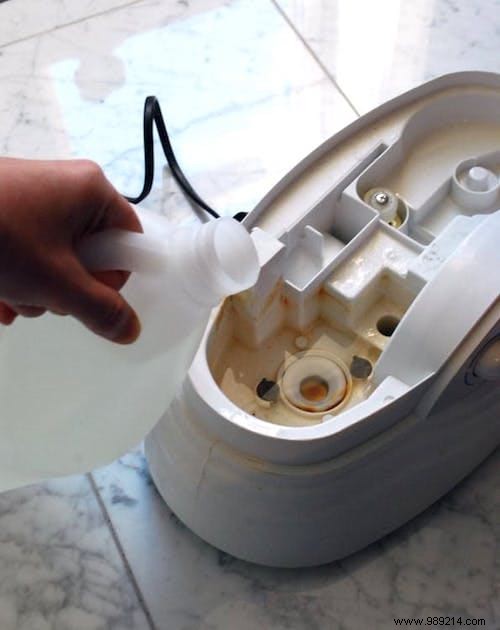
White vinegar is a powerful, natural disinfectant—no bleach required. Add a few drops of tea tree essential oil for deeper sanitization. Pour it directly into the water tank and soak removable parts in a basin of vinegar for a few minutes to dissolve stubborn lime deposits.
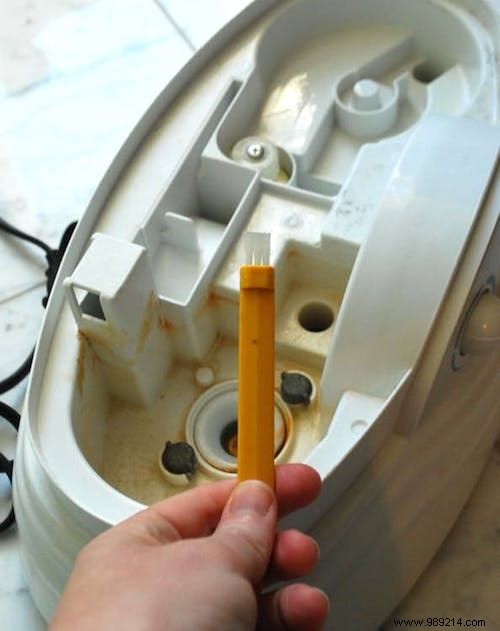
Use the provided cleaning brush or an old toothbrush to gently loosen softened deposits. The vinegar does most of the work, so minimal scrubbing is needed.
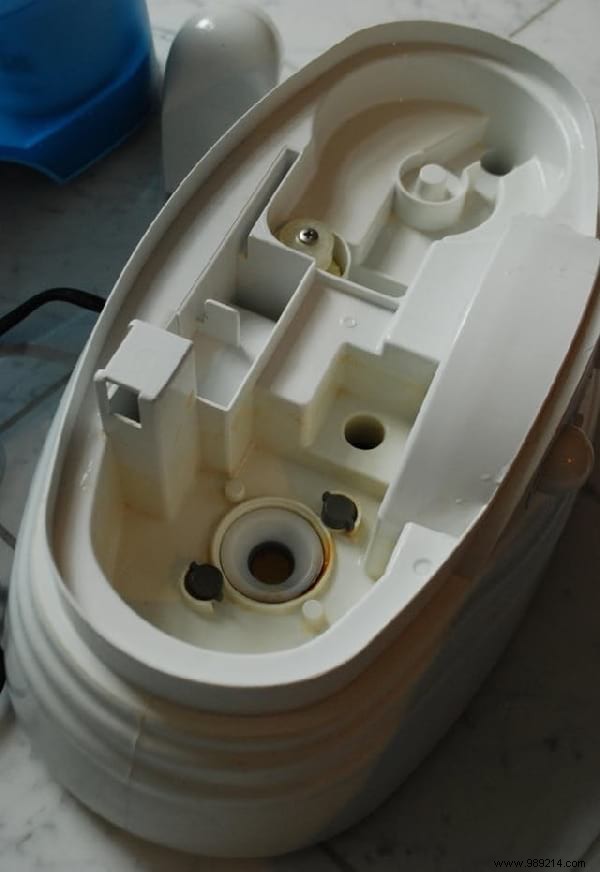
Rinse the device and tank thoroughly with tap water to remove vinegar residue. Shake gently to dislodge any remnants, repeating as necessary. Dry all parts with a clean cloth before reassembling. The vinegar smell fades quickly. If grime persists, repeat the vinegar soak and use a softer tool for tough spots—fizzing indicates it's working.
Your humidifier is now descaled and spotless—no more clogs or white marks! This quick, chemical-free method works for all models, including Honeywell, Babymoov, Sunbeam, Dyson, Bionaire, Beaba, Badabulle, and VicTsing. Perform monthly for optimal performance. Monitor humidity with an indoor hygrometer. For recommendations, I use this reliable, affordable model at home. Need a radiator option? Try this DIY tutorial.
