
Soy sauce pairs perfectly with sushi, but its dark color creates tough stains that are notoriously hard to remove. Many commercial cleaners fall short, leaving behind streaks or residues.
With years of hands-on experience tackling stubborn stains, I've tested reliable methods tailored to different fabrics. These four approaches effectively eliminate soy sauce stains from clothing, tablecloths, sofas, and even leather—using everyday household items.
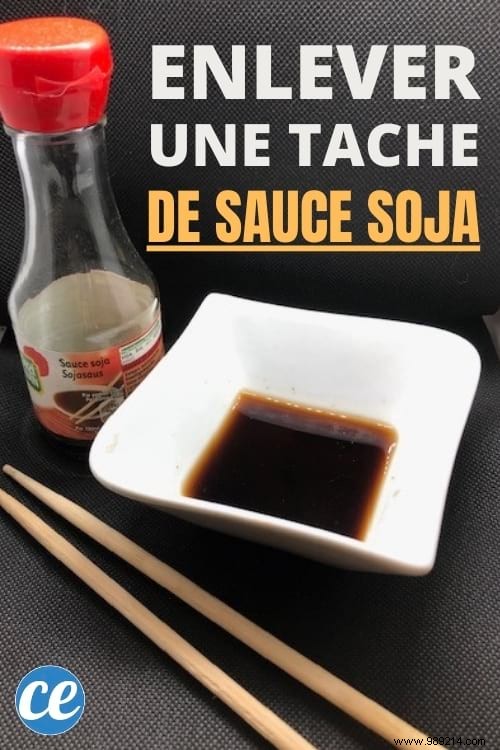
First, dilute the stain with an ice cube to loosen it without spreading. Soak a clean cloth in white vinegar and gently dab the area.
Let it sit for at least 15 minutes to break down the stain. Rinse with cool water, then launder as usual.
This method shines on white cotton or linen tablecloths and garments, drawing from my reliable results over countless cleanups.
Mix a paste with 3 parts baking soda and 1.5 parts water. Apply to the stain, rub gently, and let it rest for 15 minutes before rinsing and washing.
Ideal for cotton, linen, wool, microfiber sofas, or fabric upholstery. For leather bags, rinse with a damp cloth instead of machine washing, and follow with leather balm if needed.
If vinegar or baking soda isn't handy, pure Marseille soap is a trusted alternative. Dilute the stain with an ice cube, then rub the soap directly onto it.
Allow 30 minutes to penetrate, rinse under lukewarm tap water while gently rubbing, and machine wash. Stains vanish reliably with this time-tested technique.
For delicate fabrics like silk, satin, suede, nubuck, velvet, rugs, or carpets, dishwashing liquid is gentle yet powerful.
Act fast: Blot excess with a paper towel or sponge. Dab with a sponge soaked in dish soap, let sit briefly, then rinse and wash.
Tip: Always test on an inconspicuous area first to ensure colorfastness.
