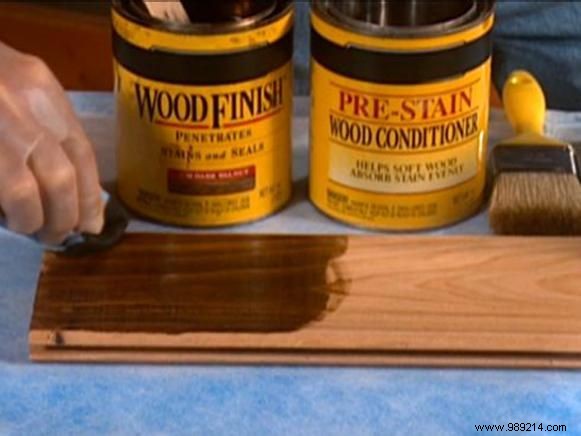
Staining unfinished furniture is a smart DIY way to save money and customize your pieces. However, stains are permanent, so caution is key. With countless oil-based, water-based options, and conditioners available, it's easy to feel overwhelmed. Drawing from years of hands-on woodworking experience, here are proven strategies to sidestep common mistakes and achieve professional results.
Always prioritize safety: Wear safety glasses, disposable rubber gloves, and old clothes. Stains that permanently color wood will also stain your skin and fabrics if spilled.
- Test the stain on scrap wood first to preview the color and absorption.
- For even absorption and to prevent blotching, apply a thin coat of wood conditioner with a inexpensive brush. Let it dry for 15 minutes before staining—no sanding required.
- Oil-based stains, the most popular choice, blend dyes and pigments with mineral spirits. Shake the can vigorously to mix thoroughly for true color. Work in a well-ventilated space to avoid fumes.
- Apply with a brush or lint-free cloth, working both with and against the grain. Focus on even coverage rather than perfection. Wipe immediately for lighter tones, or wait 5-10 minutes for deeper shades.
- Wipe off all excess along the grain to ensure the stain penetrates the wood, enhancing its natural beauty without sitting on the surface.
- Prefer water-based stains to minimize fumes; they offer an even wider color range. Apply them just like oil-based.
- Need a darker finish? Simply add another coat.
- Stains provide color only—seal with a topcoat finish. For efficiency, choose a stain-finish combo, but use a high-quality brush and finish strokes with the grain.
- Mix stains for custom shades if they're from the same manufacturer and base (oil or water—never mix types). Note your ratios for consistency.
- Apply water-based finishes over oil-based stains after 24 hours (48 in humid or cold conditions) to let solvents fully evaporate.
- Reuse leftover stain from old cans—they store well without settling. Discard any skin on top, and it's good to go. Stains are pricey, so this saves money long-term.
