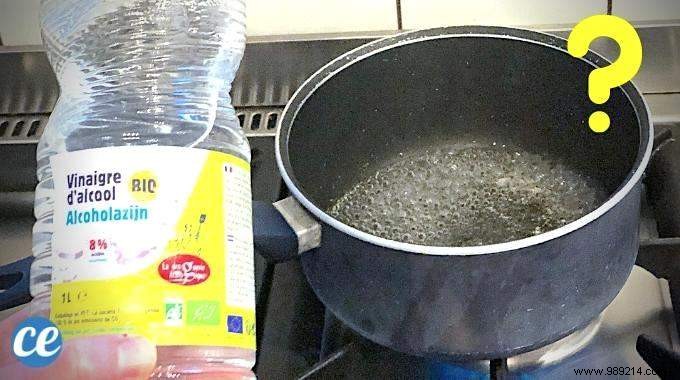
Why heat white vinegar?
As someone who relies on white vinegar for daily household cleaning, I've often wondered about this too.
Many effective cleaning methods recommend heating it first.
After thorough research, I've uncovered why heating enhances its performance—and whether it's truly safe. Here's what I found:
White vinegar's high acidity makes it a powerhouse: antibacterial, anti-limescale, antiseptic, stain remover, deodorizer, and even a weed killer.
Heating it amplifies these properties, making it even more powerful and efficient.
It's ideal for tackling stubborn limescale, encrusted stains, and deep dirt. This works equally well with 14° or 8° white vinegar, boosting its descaling and stain-removal effectiveness.
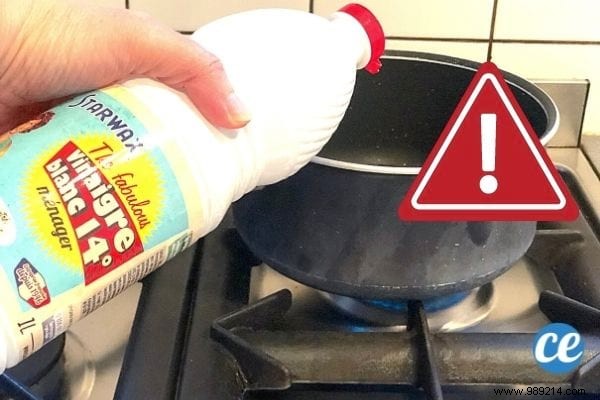
Rest assured, heating white vinegar is safe—you can even bring it to a boil without issue. It's non-toxic.
However, avoid hovering directly over the vapors, as they have a strong, unpleasant smell that can cause coughing or eye irritation.
Simply step away, and the effects subside immediately.
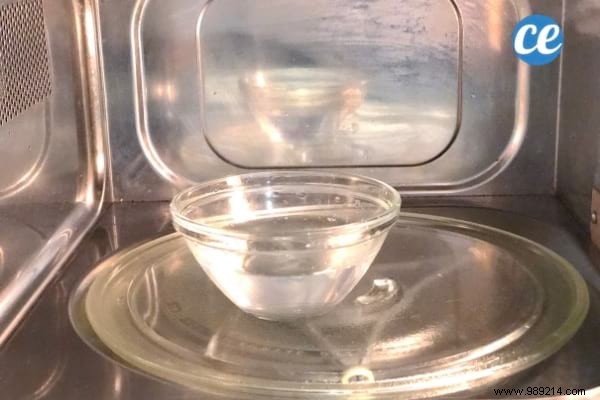
It's simple with these proven methods:
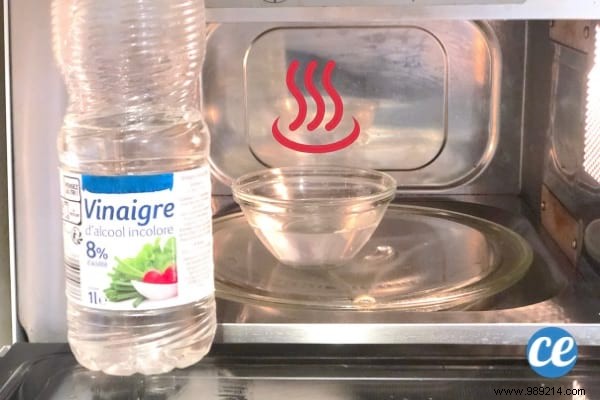
- Pour into a bowl and microwave for about 4 minutes.
- Heat pure in a saucepan on the stove.
- Or dilute: mix 1/3 white vinegar with 1/3 water in a bowl, then microwave for 4 minutes.
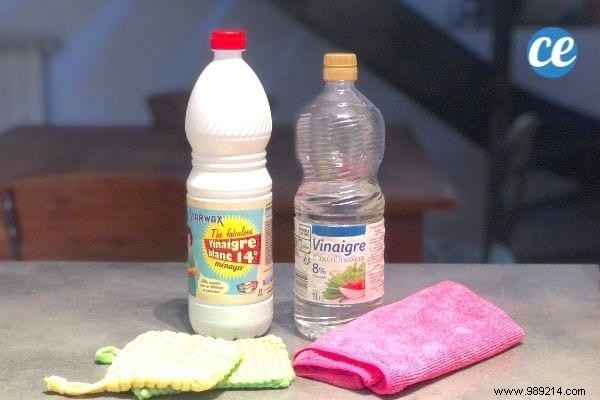
Like cold white vinegar, the heated version is a versatile natural cleaner—but its power is multiplied for superior cleaning and disinfecting.
Use it to:
- Remove toilet limescale
- Repel flies naturally
- Unclog sinks effortlessly
- Clean burnt pans without scrubbing
- Descale any surface
- Deep-clean a dirty microwave
- Restore dry brushes
- Shine stainless steel fixtures
- Thoroughly clean bathtubs
- Eliminate persistent odors
- Clean car windshields and remove stickers
- Polish copper pots
- Peel off labels easily
- Descale kettles
- Degrease gas stove burners
