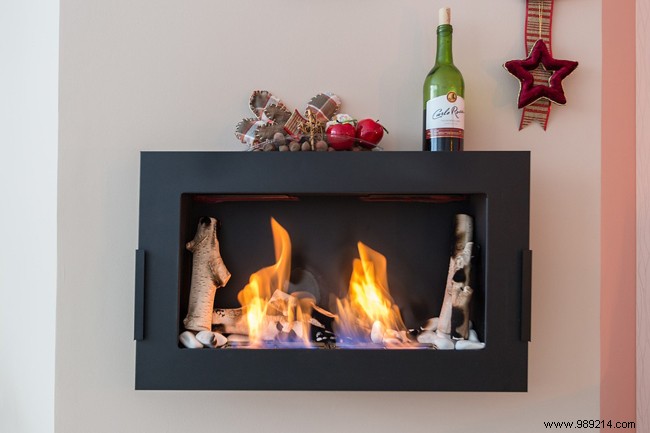
Bio-ethanol fireplaces offer a sleek, modern alternative to traditional heating, blending practicality with stunning aesthetics. Yet, potential buyers often wonder: are they truly worthwhile? Drawing from extensive experience with ventless heating solutions, this guide breaks down the key advantages and drawbacks to help you make an informed decision.
One of the top reasons homeowners choose bio-ethanol fireplaces is their chimney-free design. Retrofitting a traditional fireplace can be costly and disruptive to existing home structures. Bio-ethanol models eliminate these hassles entirely.
Powered by clean-burning ethanol fuel, they produce no smoke, soot, or ash. Emissions are minimal—just water vapor, heat, and trace CO2—making them a safer, cleaner option compared to wood-burning stoves.
Unlike electric fireplaces with artificial glows, bio-ethanol units deliver genuine, dancing flames that mimic a wood fire's allure. Yes, these are authentic flames that flicker and sway naturally.
That said, their heat output is modest at 2-3 kW, ideal for ambiance rather than primary heating. They're more of a stylish living room focal point than a robust heater.
Ease sets bio-ethanol fireplaces apart. Freestanding models require zero installation—just place and enjoy. Wall-mounted versions attach like a TV on a bracket, while built-in options are far simpler than gas or wood units.
Operation is straightforward: fill the burner with bio-ethanol, light with a match or lighter, and extinguish with the provided damper lid to save unused fuel for later.
Any open flame carries inherent risks, so always adhere to the manufacturer's guidelines. Position the fireplace away from high-traffic areas. For hallways or busy spaces, opt for models with glass screens or install a protective shelf to maintain a safe distance.
Like candles, bio-ethanol flames consume room oxygen. In spaces over 20 square meters, this isn't an issue. For smaller areas, ensure good ventilation via VMC or regular fresh air circulation.
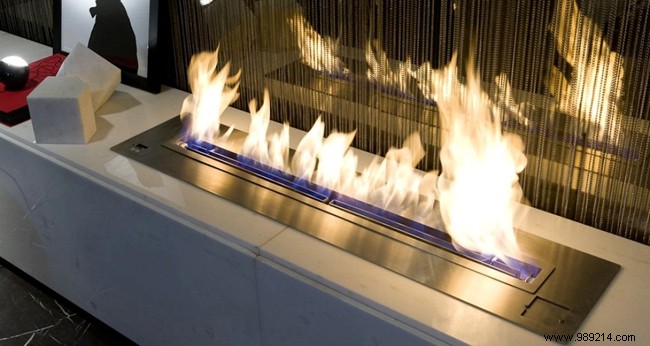
These fireplaces typically burn for 4-5 hours per fill. Never refuel while hot—allow time to cool to avoid explosion risks upon reignition.
Hands-on demos are rare in stores, making pre-purchase trials tricky. Videos help, but they may not capture your model's exact flame. Seek real-user reviews from bio-ethanol owners for authentic insights.
