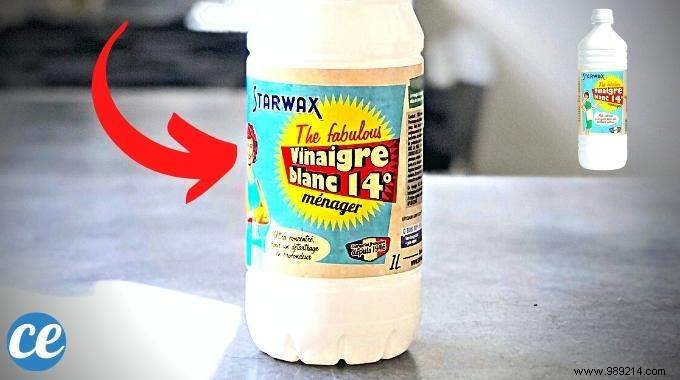
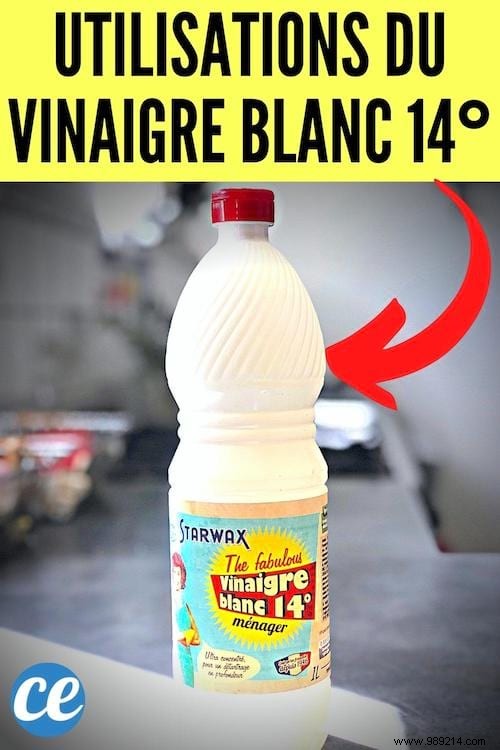
Wondering what 14° white vinegar is used for? As a concentrated natural cleaner, it outperforms standard vinegar for tough household tasks. Discover its 14 most effective applications below.
 Contents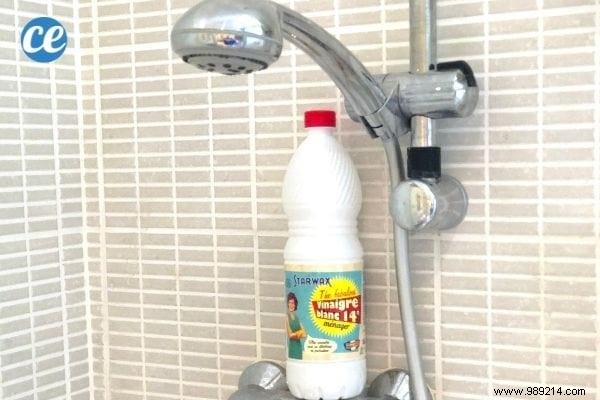
Limescale buildup is common in bathrooms, affecting showers, bathtubs, and faucets. 14° white vinegar, with its high acetic acid concentration, is an exceptionally effective natural descaler.
Apply it pure for heavy deposits or diluted for lighter buildup. Spray or pour onto a sponge or brush, scrub affected areas, rinse thoroughly (especially on stainless steel), and dry with a cloth for a spotless finish.
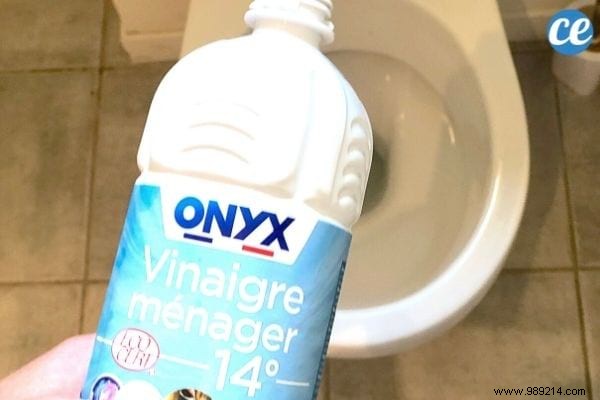
Limescale at the toilet bowl base creates stubborn yellow-brown stains. For reliable results, boil 14° white vinegar and pour it into the bowl. Let it sit overnight, then scrub with a brush.
Regular maintenance keeps porcelain pristine. For enhanced effectiveness, empty the bowl first to maintain concentration.
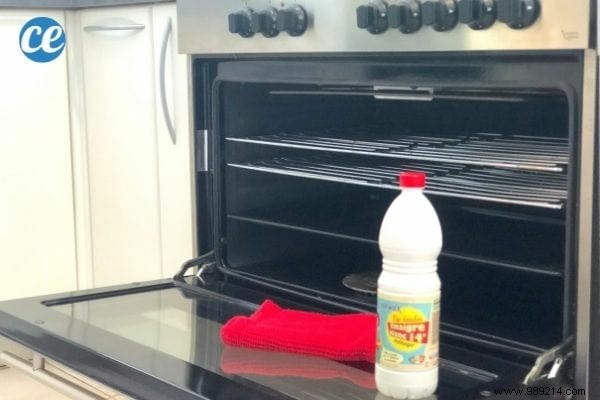
Kitchen surfaces like hoods, ovens, and splashbacks accumulate heavy grease. Pair 14° white vinegar with baking soda for superior degreasing power.
Dampen a sponge with pure vinegar, sprinkle baking soda on top, scrub surfaces, rinse with a clean sponge, and wipe dry for impeccable results.
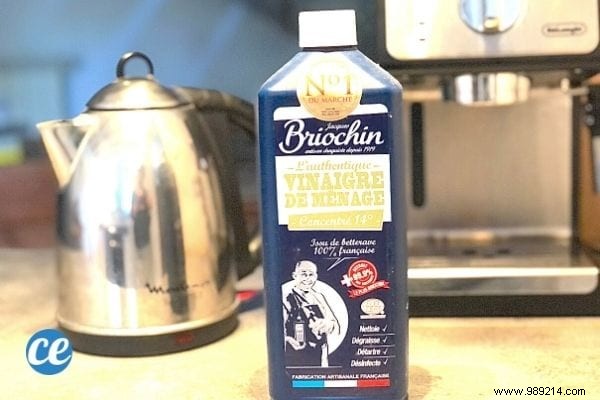
Limescale damages appliances like kettles and coffee makers if left unchecked. Use a 50/50 mix of 14° white vinegar and water.
For kettles, boil the mixture briefly and rinse well. For coffee makers, run it through the reservoir, followed by several water rinses.
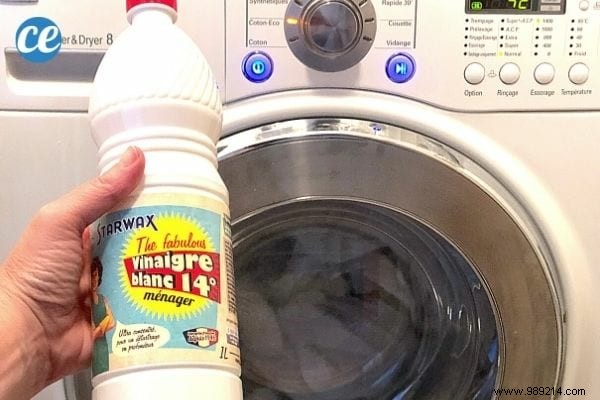
14° white vinegar excels as a natural fabric softener, outperforming commercial products economically. It neutralizes limescale in hard water, leaving laundry soft and reviving colors while protecting your machine.
Pour 3 tablespoons into the softener compartment. The vinegar odor dissipates during drying.
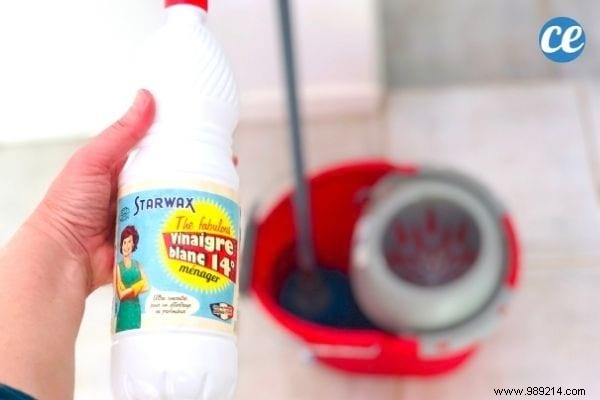
Achieve streak-free, shiny floors effortlessly. Mix 100 ml of 14° white vinegar in 5 liters of water, mop, and no rinse needed.
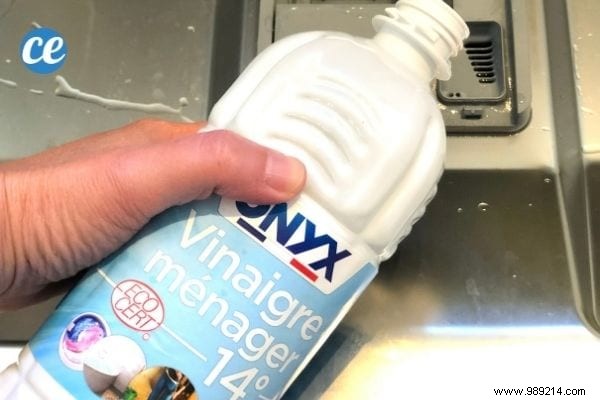
Substitute dishwasher rinse aid with 14° white vinegar in the reservoir for sparkling dishes. It's safe for appliances and highly cost-effective.
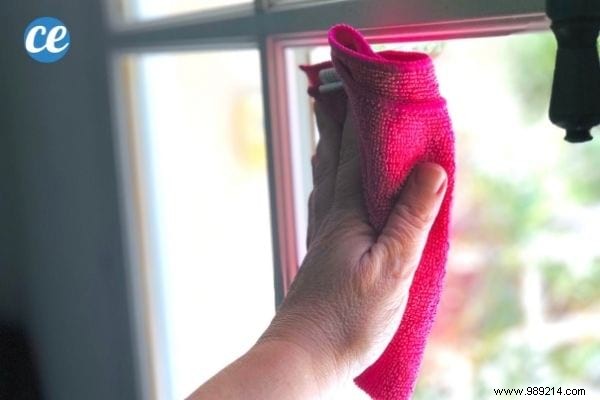
Spray pure 14° white vinegar on a dry cloth and wipe windows or mirrors. It removes dirt, limescale, and grease, leaving no streaks.
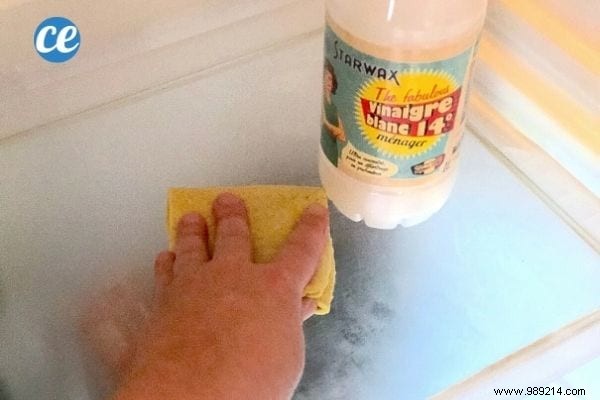
For fridges, wipe surfaces with pure or diluted 14° white vinegar using a sponge, then dry—no rinse required. For microwaves, heat a bowl of 50 cl water with 2 tablespoons vinegar for 5 minutes, then wipe clean.
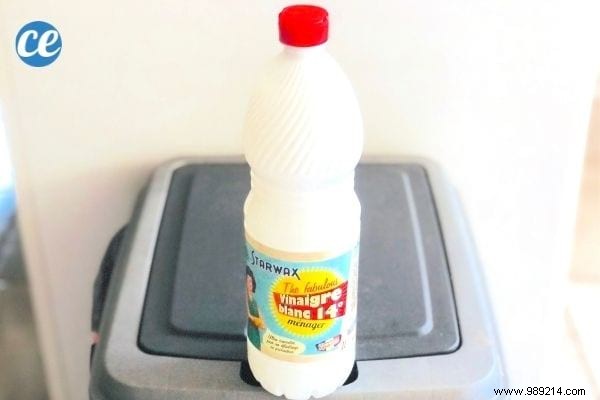
Spray 14° white vinegar inside bins, let sit 5 minutes for disinfection, and wipe. It eliminates odors effectively.
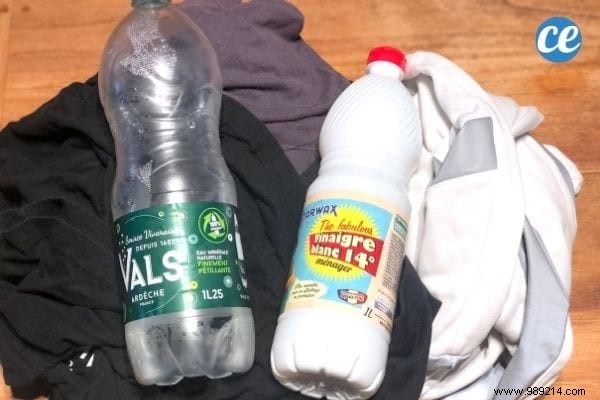
Mix 3/4 sparkling water and 1/4 14° white vinegar, apply to stains, rub gently, rinse, and launder. Alternatively, soak in cold water with vinegar. Effective on sweat, fruit, jam, and makeup stains.
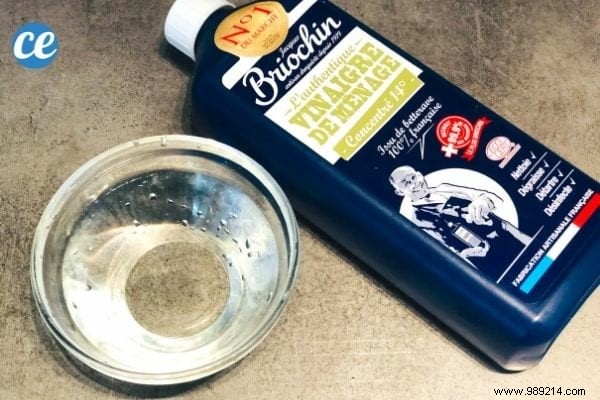
Place bowls of 14° white vinegar in affected areas to neutralize tobacco, cooking, or fridge odors. It purifies air and kills odor-causing bacteria.
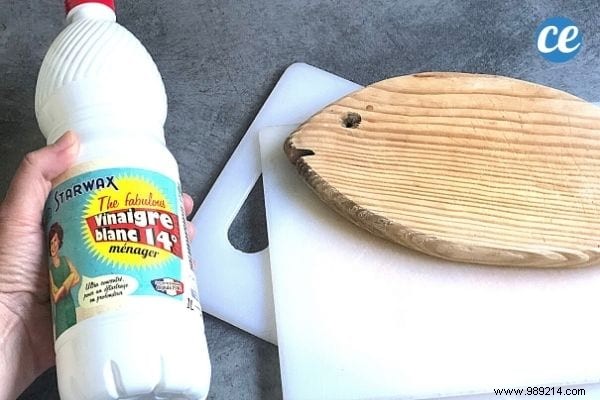
Wipe cutting boards and countertops with pure 14° white vinegar to clean, degrease, deodorize, and disinfect food-contact surfaces.
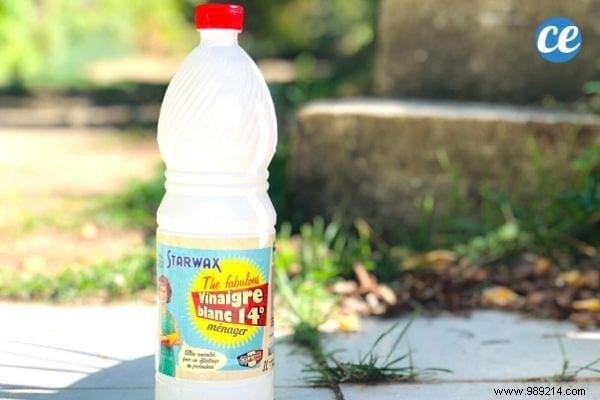
As a contact herbicide, apply pure 14° white vinegar to weeds on driveways or patios on sunny days. Use sparingly to avoid soil depletion; ideal for non-cultivated areas.
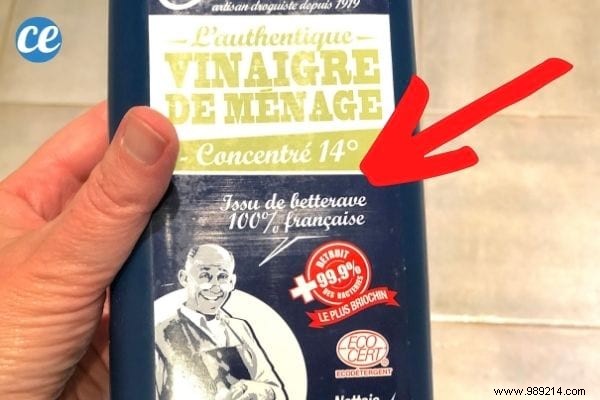
14° white vinegar is 100% natural, made from water, plant sources like beets, and beneficial bacteria. Ensure the label confirms natural origin. It has twice the acetic acid of 6° or 8° vinegar.
Opt for 14° white vinegar for superior cleaning power at a comparable price to milder versions. Twice as concentrated, it's natural, effective, and economical for demanding tasks.
Test on inconspicuous areas first. Use pure for tough jobs or dilute 50/50 with water in a spray bottle for general cleaning.
Available at DIY/gardening stores (Bricorama, Castorama, Leroy Merlin, etc.) in large formats, supermarkets (Leclerc, Auchan, etc.), drugstores, or online (Amazon, Cdiscount).
Avoid on acid-sensitive surfaces like marble or brass. For household use only—not edible. Wear gloves and goggles; rinse eyes if contacted and seek medical help. Contact poison control if ingested.
