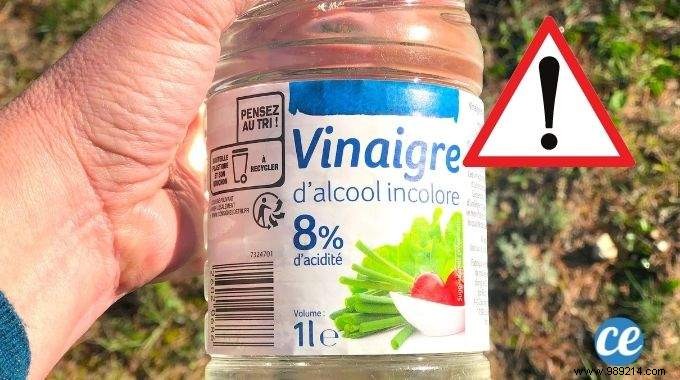
Is drinking white vinegar safe? As a versatile natural cleaner and cooking staple, it's popular—but natural doesn't mean harmless. Can you consume it without risking your health? Drawing from nutritional science and clinical insights, let's examine the evidence on drinking white vinegar.


Rest assured: occasional diluted consumption of white vinegar is not dangerous. Composed primarily of water and 7-8% acetic acid, it's a common food ingredient. You'll find it in meat marinades to tenderize, salad dressings, for poaching eggs, washing produce, or pickling vegetables. In moderation, ingestion poses no issue.
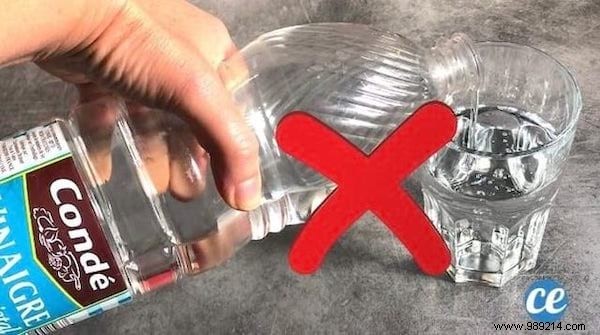
The key is moderation. Regularly drinking undiluted white vinegar is unwise. Its high acidity (pH around 2.4)—what makes it great for descaling and disinfecting—can harm the body. It erodes tooth enamel, irritates the esophagus and stomach lining, and triggers nausea or acid reflux. Those with gastritis, ulcers, or GERD should avoid it entirely, even diluted. It may also interact with diabetes or heart medications—consult your doctor first.

Diluted white vinegar is safe in moderation: mix into water, juice, or recipes. It's fine for cooking or even dental rinses when properly diluted. However, excess or medication interactions increase risks. Always choose food-grade white vinegar at 7-8°—never ingest 14° household varieties.

Beyond its tart taste, white vinegar offers proven health perks backed by research. It curbs cravings and hunger pangs, supports weight management as a zero-fat, nutrient-dense option in balanced diets. As a natural disinfectant, it eases sore throats; it stabilizes blood sugar, enhances calcium absorption, and may lower cholesterol and triglycerides. If managing cholesterol, discuss with your physician.
