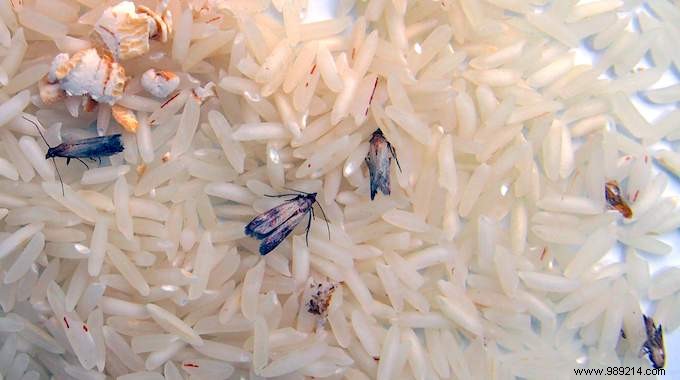
Preventing food moths from invading your pantry starts with understanding what draws them in. If you've battled clothes moths in your wardrobe, meet their pantry-raiding relatives.
These small insects target dry foods stored in your cupboards, turning staple ingredients into breeding grounds. With years of experience helping homeowners reclaim their kitchens from pests, I've identified effective strategies. Discover 20 foods that attract food moths and how to safeguard your supplies.
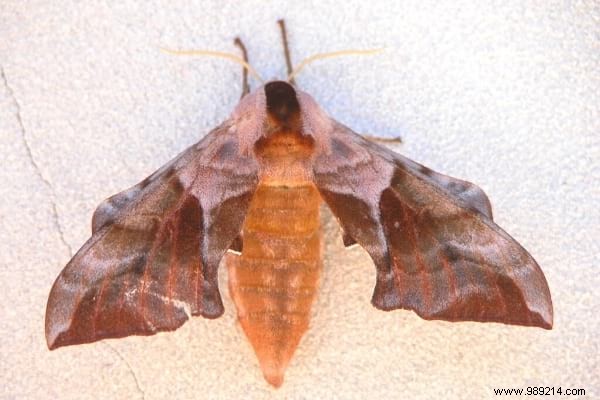
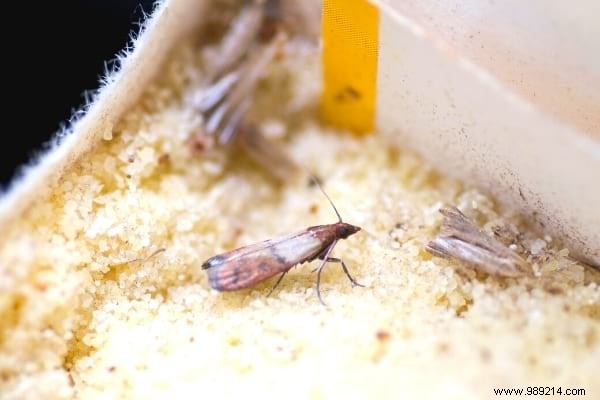
Food moths, also known as pantry moths or Indian meal moths, are grayish-brown insects about 25mm long. Related to clothes moths but with different tastes—these prefer your kitchen staples over wool or cotton.
Clothes moths target wardrobes; food moths infest cupboards. Their lifecycle is short—about 2 weeks for adults—but highly prolific. Females lay 200-300 eggs, which hatch into larvae that form cocoons and emerge as moths after around a month.
They peak in summer, but they're not harmful to humans or pets—no bites or stings. The real issue? Contaminated food must be discarded.
Food moths rarely fly in from outside uninvited. They hitchhike on store-bought dry goods like flour, cereals, or pasta, with eggs or larvae hidden inside or stuck to packaging.
Though less common, their keen sense of smell can draw adults indoors through open windows or gaps, seeking out food scents.
Knowing their favorite targets helps. At the store, inspect packages for damage, especially bulk items where infestations spread easily.
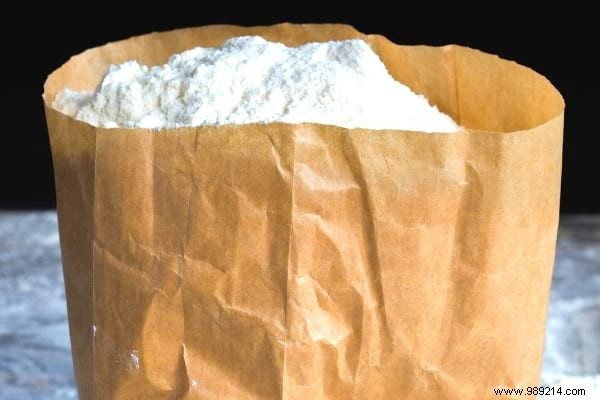
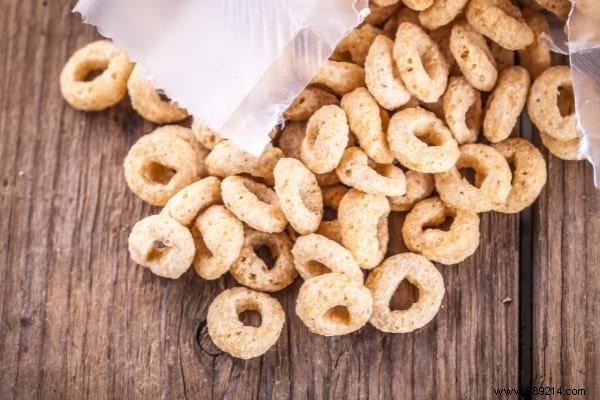
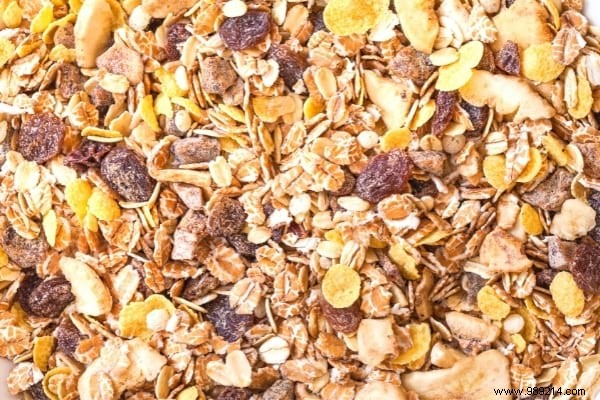
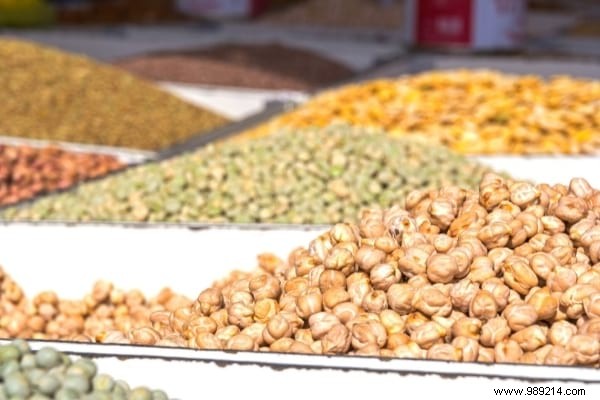
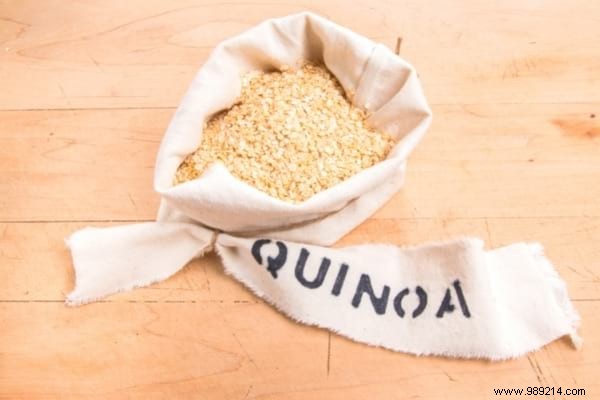
Once home, transfer dry goods to airtight plastic or glass containers. Never leave opened packets exposed—airtight storage is your best defense. Here are the top 20 foods to protect:














Spot an infestation? Act fast—these pests multiply quickly. Skip harsh chemicals near food; opt for proven natural remedies instead.
Discard infested items immediately, empty the cupboard, and clean thoroughly with white vinegar, focusing on cracks and corners.
Food moths track scents, but certain aromas repel them. Place cloves, lemon peels, garlic, nutmeg, or bay leaves in small dishes or among packets.
These simple, natural repellents disrupt their sensory cues, keeping your pantry moth-free with minimal effort.
