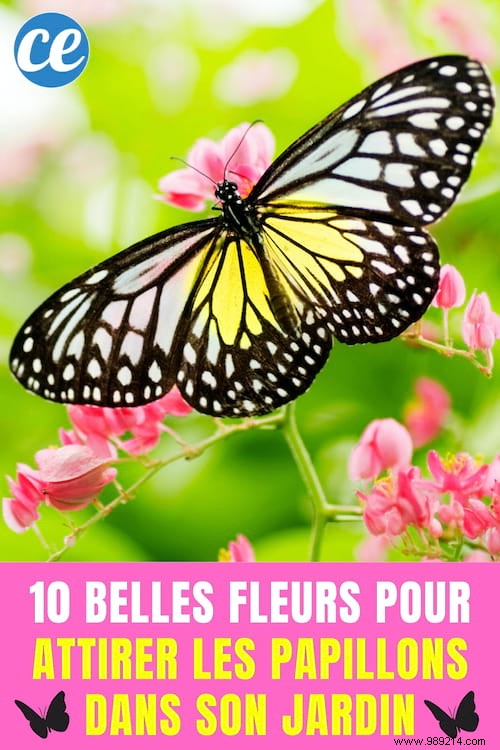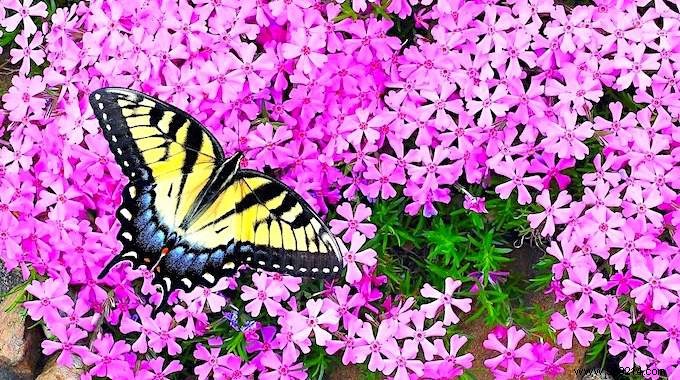
Butterflies bring vibrant life to any garden. Unfortunately, populations of three-quarters of butterfly species have declined sharply in recent years.
How can you help reverse this trend? It's straightforward: plant nectar-rich flowers on your terrace or in your garden to draw them in.
These blooms provide essential nectar for butterflies to feed on. Don't worry about caterpillars—they only eat their host plants and won't harm other flowers.
Discover the top 10 beautiful flowers proven to attract butterflies. Watch them flock to your space:
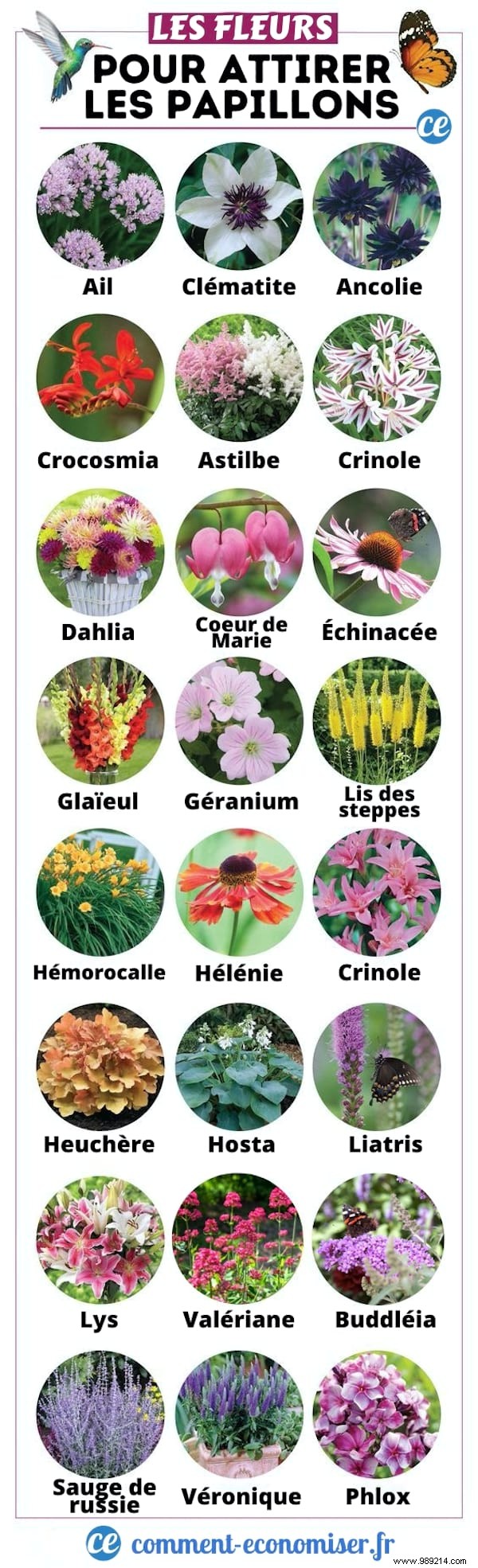
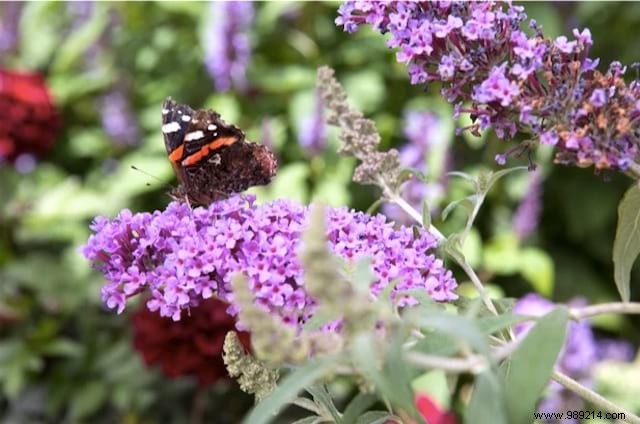
Known as the "butterfly bush," buddleia lives up to its name with large clusters of purple flowers packed with irresistible nectar. David's buddleia blooms from spring through late fall, enhancing your garden while supporting diverse butterfly species.
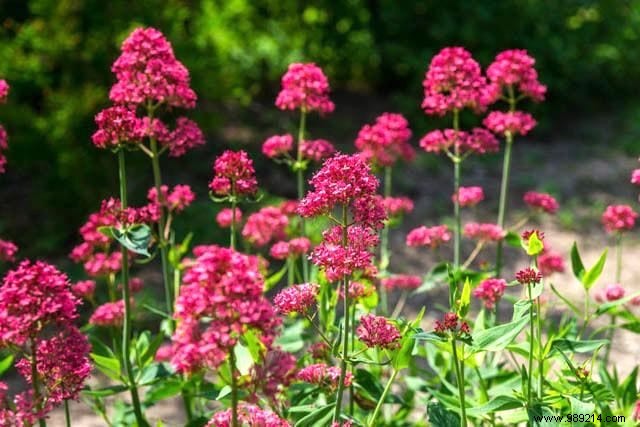
Red valerian (Centranthus ruber) is a low-maintenance ornamental with fragrant white, pink, or fuchsia flowers. Thriving in poor, dry, or calcareous soils, it flowers early and continues into mid-summer, luring butterflies with its scent.
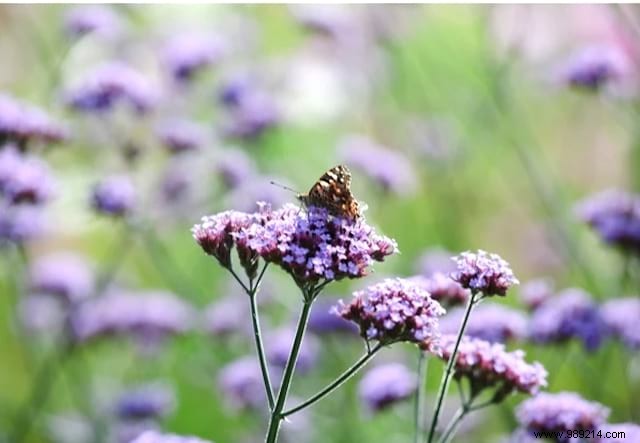
This elegant plant grows well in pots or beds. Buenos Aires verbena (Verbena bonariensis) features purple blooms on slender stems, offering abundant late-season nectar that butterflies adore.
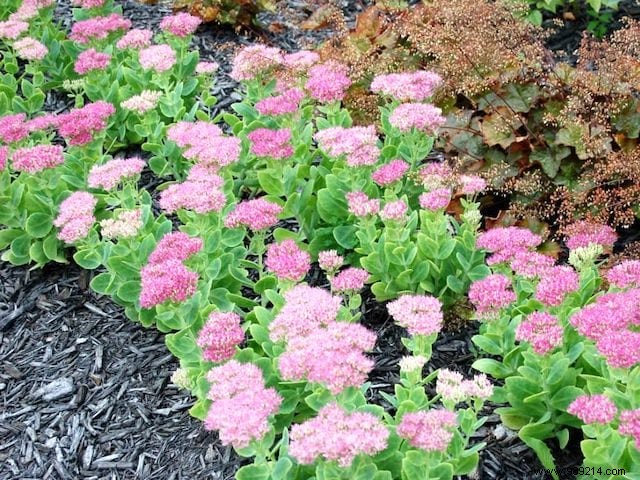
Sedum (Hylotelephium spectabile), a succulent with lush green foliage and large dark pink flowers, blooms from May to October. Its nectar-rich blooms need little care—note that pink varieties outperform reds for pollinators.
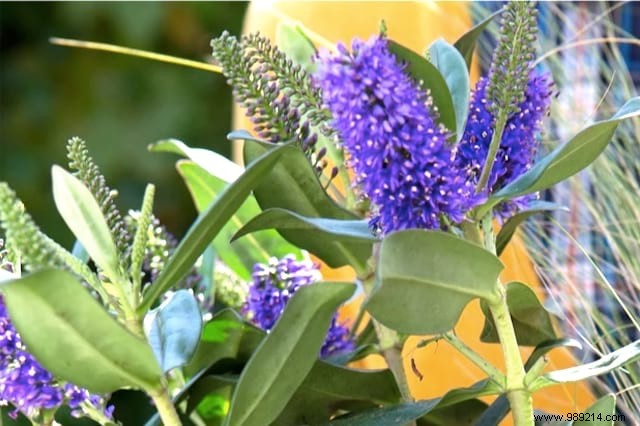
This evergreen shrub adds year-round structure while attracting bees and butterflies. Pink-to-purple flowers from May to October provide a nectar feast for pollinators.
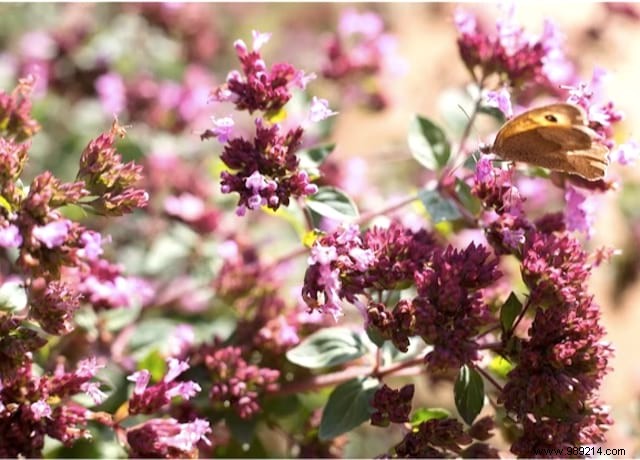
Grown as an annual in colder climates, wild marjoram (Origanum vulgare) offers delicate pink flowers beloved by butterflies and bees. Bonus: its edible leaves enhance salads and dishes.
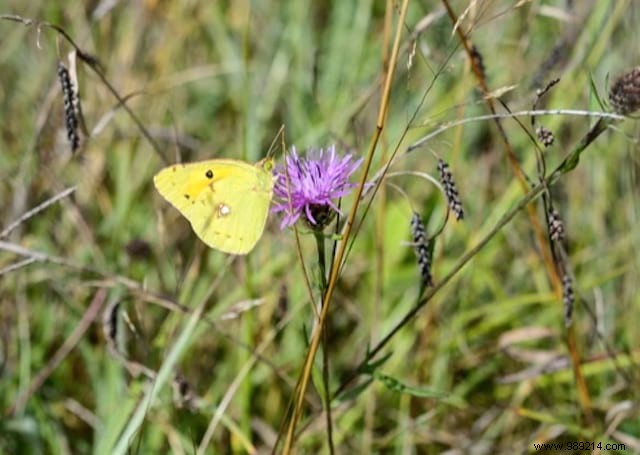
Ideal for wildflower patches mimicking an English cottage garden, common knapweed (Centaurea nigra) boasts vibrant purple flowers that draw butterflies like the common blue and meadow brown.
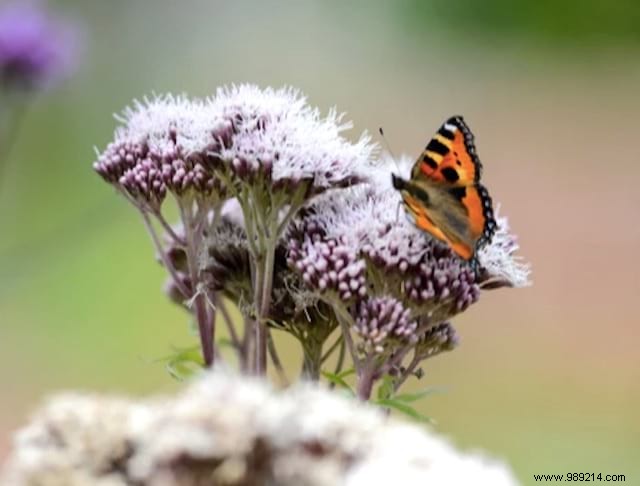
Robust hemp-leaved boneset (Eupatorium cannabinum), also known as agrimony, thrives in moist spots like riverbanks. Its pale pink flowers entice admirals and other butterflies.
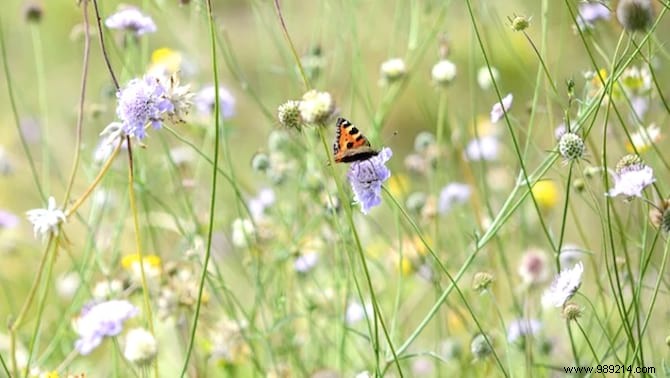
Field knautia (Knautia arvensis), or scabious, adds purple flair to gardens or meadows. Butterflies, especially moths, and bees flock to its blooms.
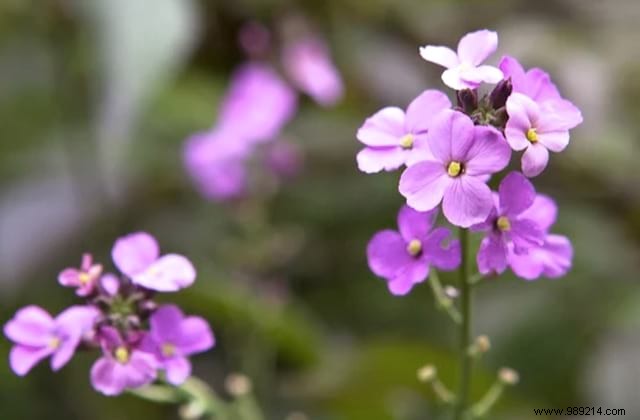
Regular deadheading keeps Madeira wallflower (Erysimum bicolor) blooming spring to fall, supplying consistent nectar for butterflies.