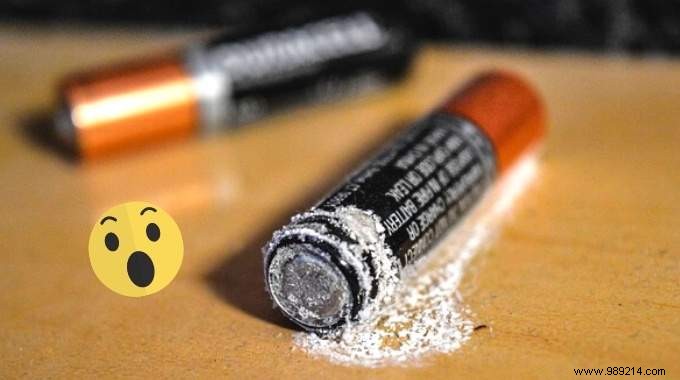
Batteries in remote controls frequently leak, especially when left unused for long periods. As someone who's handled countless repairs alongside a professional appliance technician, I'll share simple, effective ways to remove that crystallized corrosion safely.
That white, crusty buildup from batteries left too long in the remote can damage contacts and is toxic. The good news? Natural cleaners dissolve it quickly without harsh chemicals.
A trusted repair pro gave me these two foolproof methods. They're fast, inexpensive, and device-safe. Watch how:
Follow these two essential safety rules first:
- Always wear gloves when handling leaked batteries.
- Work in a well-ventilated area.

Alkaline battery leak? No worries—lemon juice neutralizes it naturally and affordably.
Remove the batteries and dispose of them properly at a recycling center.
Mix equal parts fresh lemon juice and water.
Soak a cotton ball in the solution, wring it out, and gently dab affected areas.
Use a cotton swab for tight spots like terminals and springs. Wipe dry with a clean cloth.
White vinegar works equally well and cleans battery contacts too.
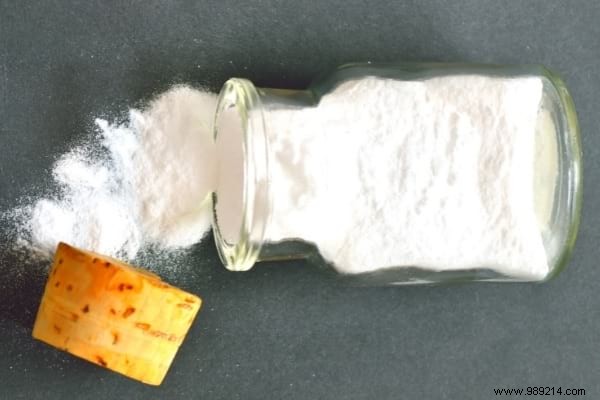
For saline battery leaks, baking soda—a mild base—handles the acidic corrosion perfectly.
Dissolve baking soda in water to make a paste-like solution.
Soak a cotton ball, wring it, and wipe the compartment. The crystals dissolve on contact—no scrubbing needed.
Reach corners with a Q-tip, then dry thoroughly with a clean cloth.
These batteries differ in chemistry and best uses.
Alkaline batteries, the modern standard, use potassium hydroxide gel for better ion flow and higher performance.
Saline (carbon-zinc) batteries contain ammonium chloride, ideal for low-drain devices like remotes, flashlights, or calculators.
For infrequent use, always remove batteries to prevent leaks.
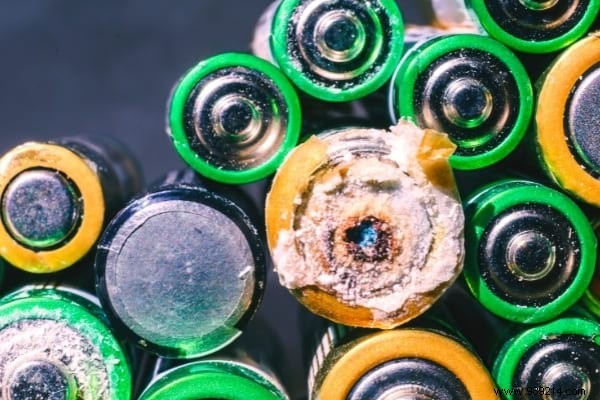
Prevention beats cleanup every time—leaks can permanently damage electronics.
The key rule: Remove batteries from unused devices.
Store them in a cool, dark place, away from heat fluctuations. This simple habit eliminates most leaks.
