Ever wondered whether to dust before or after vacuuming? It's a common dilemma, and getting it right can save time and effort while ensuring a deeper clean.
The straightforward answer, backed by basic physics and proven cleaning practices: dust before vacuuming. Here's why, plus expert tips for doing it right.
 Contents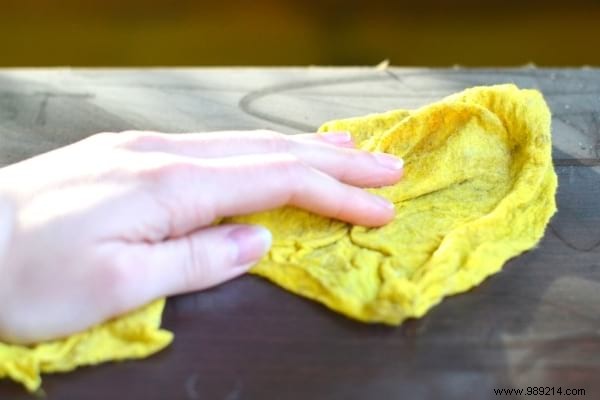
Dusting first makes perfect sense—it's all about gravity. When you wipe surfaces, some dust inevitably falls to the floor, landing on carpets, rugs, tiles, or hardwood.
Vacuuming afterward easily captures it all. Vacuum first, and that settled dust stays behind, undermining your efforts.
This top-to-bottom approach maximizes dust removal, helping capture nearly 100% of household dust. It's ideal for allergy sufferers and reduces how often you need to clean.

Use a slightly damp microfiber cloth on furniture. It traps dust particles, preventing them from scattering or resettling.
Apply a natural anti-dust spray for lasting protection. It repels dust, keeping surfaces cleaner longer—hygienic and visually appealing.
Work from top to bottom. Dust falls naturally, so you'll sweep up more during vacuuming.
Dust thoroughly everywhere: furniture, sills, frames, curtain rods, blinds. A draft can redistribute dust, undoing your work.
Vacuum every corner post-dusting. Use a narrow attachment for edges and baseboards. Start at one end of the room, move systematically, and overlap passes for complete coverage.
Move furniture as needed. For pet owners, choose vacuums with effective brush systems over raw power, and maintain them regularly.
How often? Dust once a week for most homes to maintain a fresh environment.
