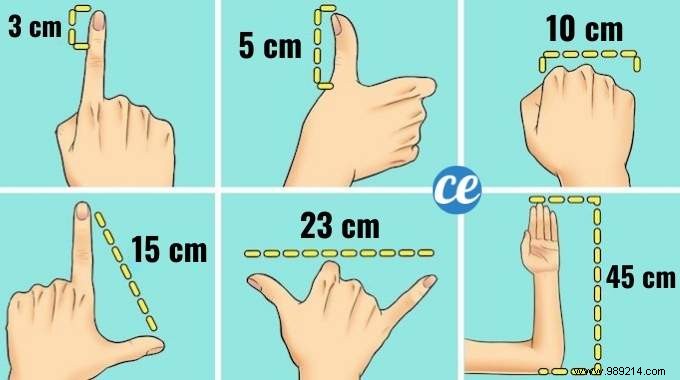
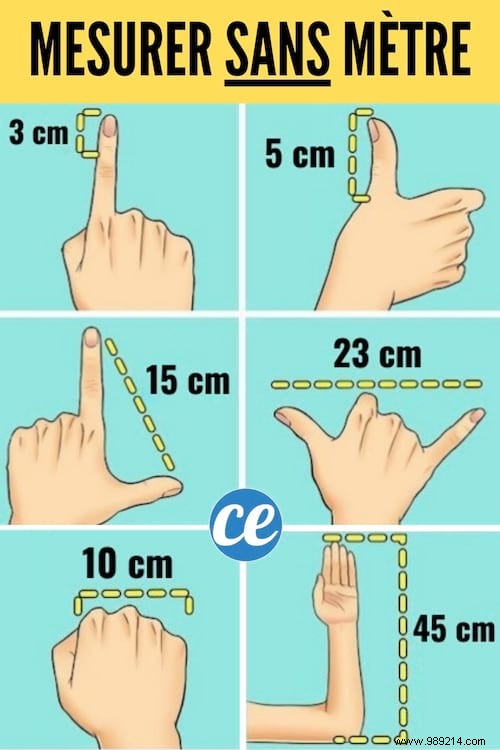
Need to measure something but forgot your tape measure? No problem. As someone who's tackled countless DIY projects and flea market finds, I've relied on these reliable body-based methods for years. They're quick, accurate enough for most needs, and always with you.
Whether sizing up furniture at a market or checking fabric for a project, these tricks work wonders. Here's how to estimate measurements using your fingers, hands, elbows, and more.
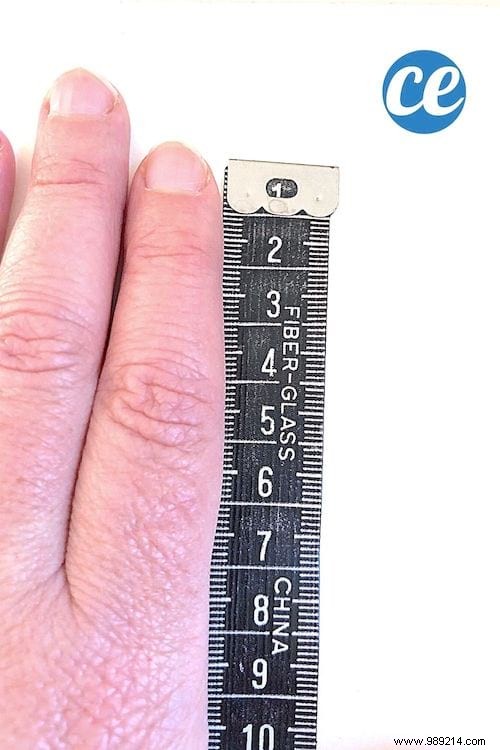
The index finger is my go-to because it's convenient, but any finger works. First, measure yours at home with a tape measure—mine's about 7 cm long (no need for precision; ±4-5 mm is fine). Note the width too: roughly 2 cm.
Memorize or jot it down. To measure an object, lay your finger end-to-end along its length, count the placements, and multiply: 7 cm x 5 = 35 cm. That's how I confirmed a shelf would fit over my radiator.
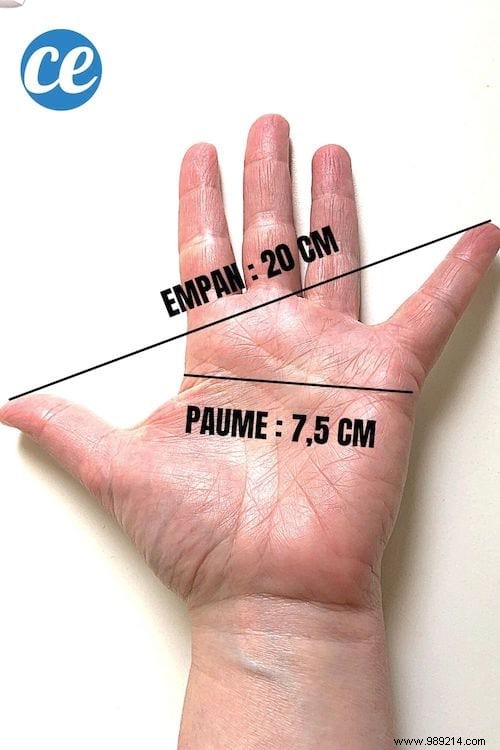
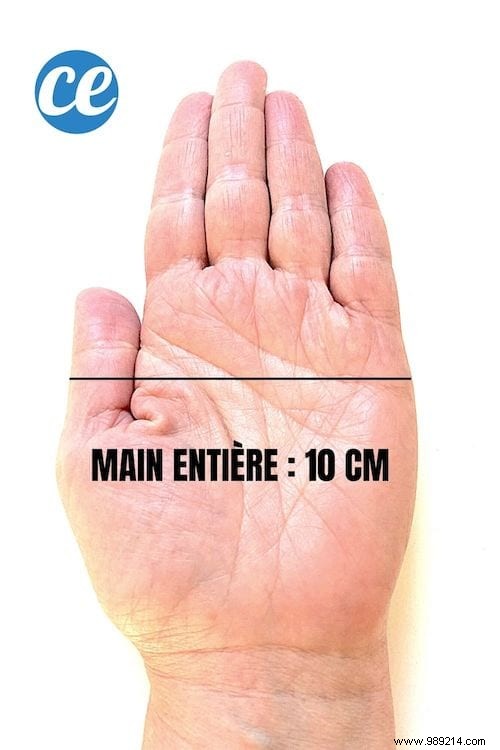
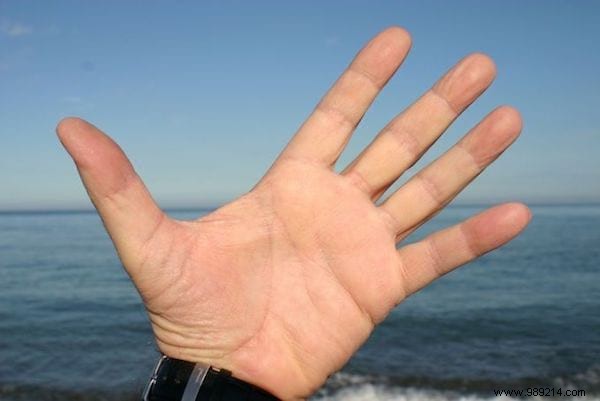
Your hand offers three versatile options, rooted in ancient units still used today.
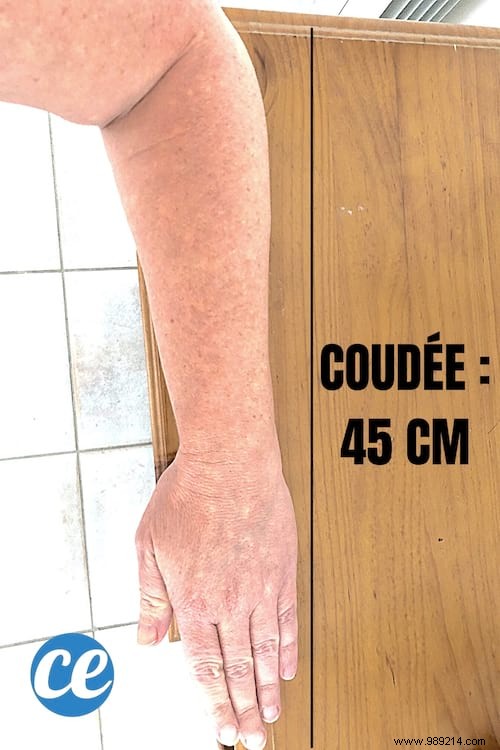
Measure from elbow tip to middle finger tip for the cubit: about 45 cm (43 cm for women, 47 cm for men). Ideal for beds or larger items.

For rooms or distances, use strides: average 65 cm, big step 1 m. Twenty big steps? That's 20 meters. Simple pacing gets the job done.
Body parts provide universal standards with minor variations (a few mm person-to-person). They're not lab-precise but give solid estimates for real-world decisions—like fitting that flea market gem in your space.
Customize by measuring your own at home and saving them on your phone.
Measure a bill's length and width ahead (keep notes handy). Pocket change becomes a makeshift ruler.
For precision, I recommend this sturdy, affordable tape measure.
Have you tried these time-tested tricks? Share your results in the comments—we'd love to hear!
