Continued from "Can We Garden Without Pesticides?"—here are practical solutions for ditching plant protection products (pesticides) in your garden. If you missed the earlier articles in this series, check them out:
As a seasoned gardener and author, I've seen firsthand the risks of pesticides—both synthetic and organic-approved ones. Even "natural" options impact wildlife populations (that's their purpose), often leading to unintended collateral damage. Suppressing aphid colonies robs beneficial insects of their food source, trapping you in a cycle of repeated treatments. Fortunately, there are effective alternatives. Implementing these strategies saves time, money, and your health. Here's a starter list of practical, proven tips to minimize or eliminate pesticide use.

Botanic poster: Let's spray the pesticides
Biodiversity means fostering a rich variety of plant and animal life in your garden while keeping invasive species in check.
Why does it matter?
More plant diversity attracts more animal species.
But why?
These animals naturally self-regulate. Pests rarely explode unchecked when predators are present—with rare exceptions.
Draw from my expertise in my book: "My Garden at the Service of Balanced Biodiversity," published by Editions Jouvence.
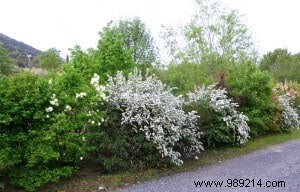
Field hedge replacing single-variety hedge
To be continued…
