As seasoned gardeners with years of hands-on experience, we know caring for your garden brings immense joy. Yet, maintaining a garden or vegetable patch often demands significant time and physical effort.
Imagine achieving superior harvests with far less work. Drawing from proven natural farming principles, here are five expert secrets to effortless gardening:
No-till gardening avoids turning or disturbing the soil in your beds. This preserves the rich, complex ecosystem in the subsoil, fostering healthier plants in your garden or veggie patch.
Applying Amendments and Fertilizers. Incorporate compost, manure, peat, lime, or organic fertilizers by simply spreading them on the surface. Over time, watering and soil organisms naturally integrate them—no tilling required. The result? Less labor overall.
Fewer Weeds. No-till drastically cuts weeding needs. Layer on mulch like bark to block weeds entirely. Any stragglers pull out easily from the consistently moist soil, mimicking nature's own process for faster sprout growth.
Reduced Effort. Skip the backbreaking spade work each spring. Just refresh mulch annually and avoid trampling beds.
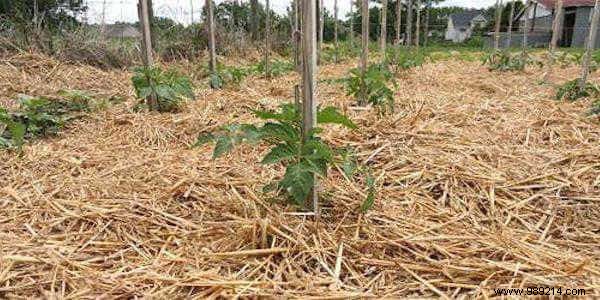
A thick mulch layer over garden soil and around plants optimizes conditions, slashing weeding and watering demands.
Water Conservation. Mulch prevents evaporation and soil drying, minimizing irrigation frequency—ideal for water-scarce areas.
Weeds struggle to emerge, and those that do release effortlessly from the loose, hydrated earth.
Mulch Options. Opt for free organics: dried grass clippings (avoid fresh for fruiting plants due to high nitrogen), autumn leaves, straw (not hay), seaweed, or forest debris. Skip bark, geotextile, or plastic for veggie gardens.
How to Use. Lay mulch without disturbing it. Top-dress with amendments like lime or compost. For seeds or transplants, part the mulch, then replace once rooted. As it breaks down, replenish to build nutrient-rich, friable soil. Find commercial options at garden centers.
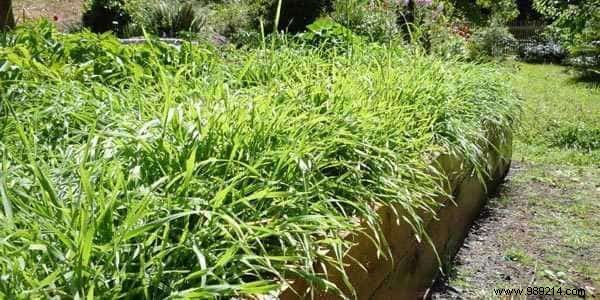
Sow cover crops like peas, rye, buckwheat, or forage plants between seasons. This natural alternative to peat moss cuts transport hassles and fertilizer needs.
Seeds sow easily; at maturity, cut and bury lightly—or smother with mulch for a 'lasagna' effect—prepping soil without tilling.
Key Benefits.
- Weed Suppression. Covers outcompete weeds on bare soil.
- Soil Improvement. Enhances aeration and fertility effortlessly, replacing peat's role.
- Nitrogen Boost. Forage covers like rapeseed add nitrogen, reducing future inputs (lighter than manure).
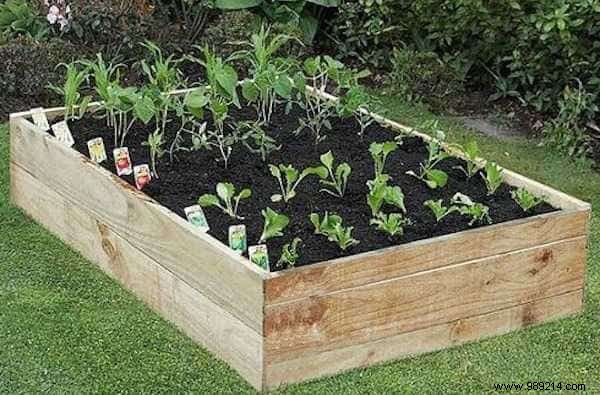
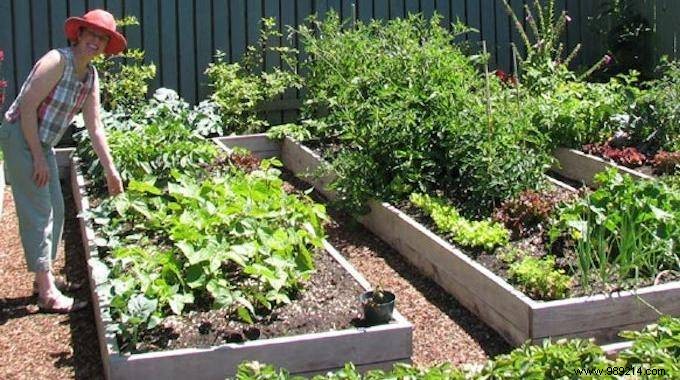
Back and knee strain plague traditional gardening, especially as we age. Raised beds make tending easier, boosting productivity without pain.
The best-maintained beds are always the most accessible ones.
Optimal Sizes. Aim for 120 cm wide (reachable from one side) and 40 cm high.
Superior Control. Bed walls block weed invasion from paths. Smother path weeds with cardboard or mulch for a tidy garden minus endless weeding.
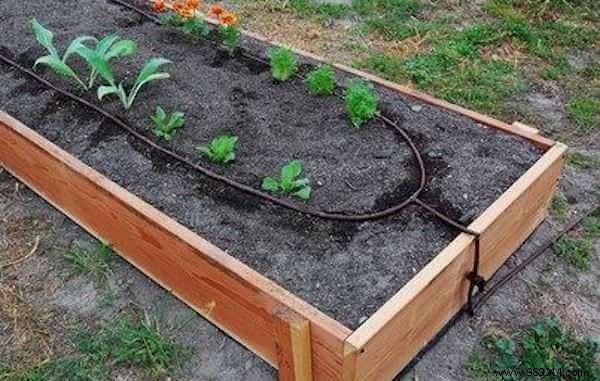
Hose-dragging is exhausting and inefficient—especially avoiding leaf wetting on tomatoes to prevent mildew.
Drip Systems Shine. Lay thin tubes with emitters (drippers) along beds under mulch. A quick faucet turn delivers water precisely to roots, saving time, water, and effort.
Paths stay dry, drying weeds for easy removal. Add timers for automation—you garden remotely!
Harvest Gains. Slower, deeper watering matches root absorption, yielding healthier plants and bountiful crops.
Source kits from garden stores or online.
These five battle-tested secrets, inspired by Masanobu Fukuoka's natural farming in The One-Straw Revolution, revolutionize gardening.

Grab the book at bookstores or online here.
What are your go-to tips? Share in the comments—we'd love to hear!
