As cooler, shorter days signal autumn's arrival, now's the ideal time to fortify your garden against winter's chill. These proven steps, drawn from years of horticultural expertise, ensure healthy soil, resilient plants, and a vibrant spring comeback.
In the vegetable garden, weed thoroughly and aerate the soil by digging. Enrich it with manure or compost for nutrient-rich earth come spring. Remove foliage from spent summer crops like tomatoes, zucchini, and beans, harvesting final yields such as pumpkins or squash. Store varieties like parsnips, beets, and carrots in a silo or cellar. For ornamental beds and pots, weed diligently; shelter tender plants indoors and protect hardy ones outdoors with winter fleece.
Autumn's mild temperatures promote strong root establishment, making it prime time for new lawns or repairs—enjoy lush green perfection by spring. Start by tilling the soil, then clear debris like pebbles, stones, and wood. Incorporate fertilizer and soil conditioner, level the surface, and sow seeds evenly per package directions. Rake lightly to cover with topsoil, tamp down, and water gently.
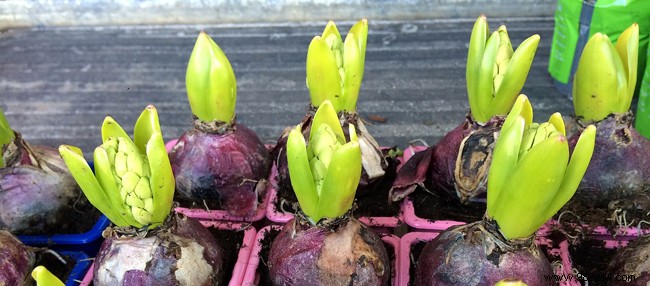
Secure spring color by planting autumn bulbs now—they'll emerge as winter fades. Warm soil and consistent moisture aid rooting for shrubs, trees, fruit trees, roses, and perennials. Top choices include Naples cyclamen, narcissus, tulips, and crocuses.
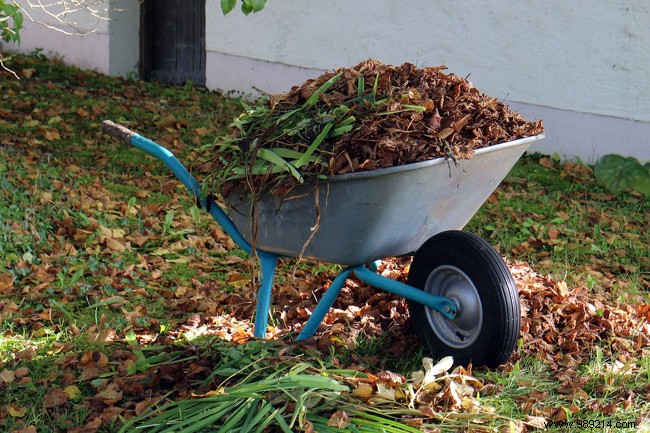
Humid fall weather demands precise hedge trimming to prevent damage, especially for evergreens. Prune evenly to avoid gaps, as winter slows regrowth and exposes bare spots. Clear fallen leaves promptly to ensure airflow and stave off rot.
Pond owners: Supplement fish food for overwintering—species-specific precautions apply. Net out dead leaves to keep water clean. For garden birds, refresh nest boxes and stock seeds; these steps help wildlife endure harsh months alongside your garden.
