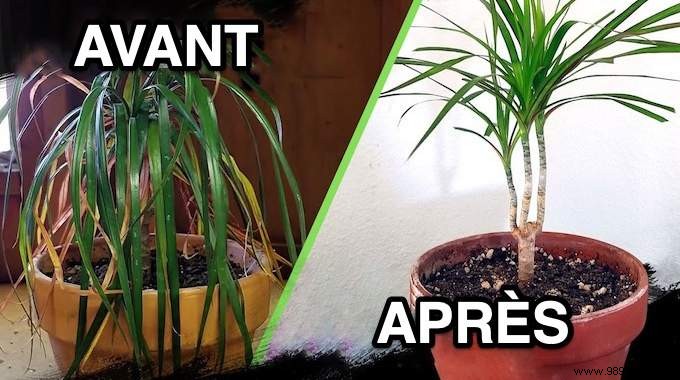
You've just come home to find your houseplant looking wilted and lifeless? Don't panic—it's often not too late to save it.
Even when a houseplant appears completely dead, it may still have life left in it, especially if the roots are viable.
But how do you revive a struggling plant? The first instinct for many is to water it generously. However, overwatering is one of the most common mistakes and can make things worse.
Before attempting revival, diagnose the root cause of the decline. As seasoned gardeners with years of experience nurturing indoor plants, we've compiled 4 proven gardening secrets to save a dying houseplant. Watch for these signs and solutions:
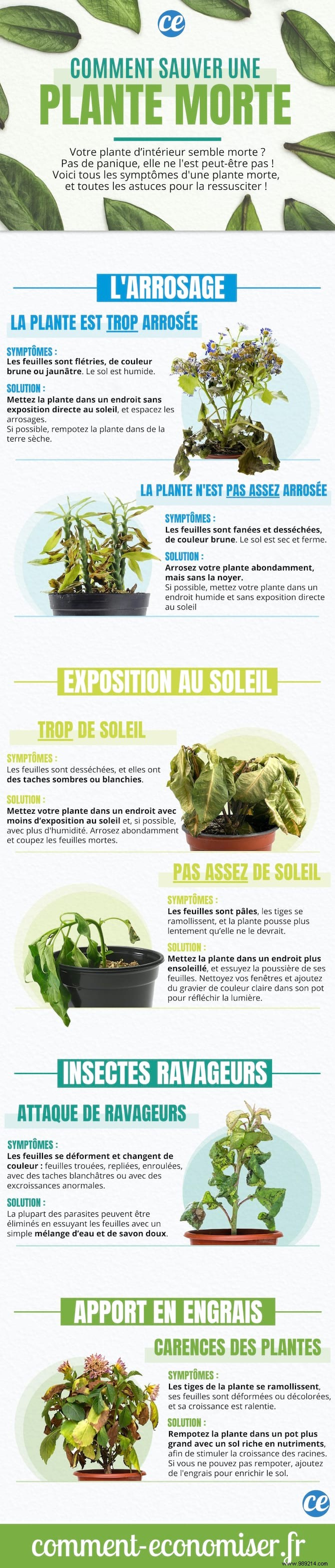
Click here to easily print this guide in PDF.
The answer is yes—as long as the roots are still alive, there's hope for recovery.
Check for healthy, white roots, a clear sign your plant can rebound. For extra confirmation, gently scrape the base of the stem. If the inner tissue is green, it's still viable.
Start by removing dead parts: Use clean pruners to trim brown, dry leaves and stem tips, especially if roots show damage. Work from the top down, stopping at green tissue to avoid stressing healthy growth.
This reduces root burden, allowing faster recovery—new shoots often emerge from cut stems soon after.
With dead material cleared, diagnose the issue using these expert insights and proven gardener's secrets to resuscitating a dying houseplant.
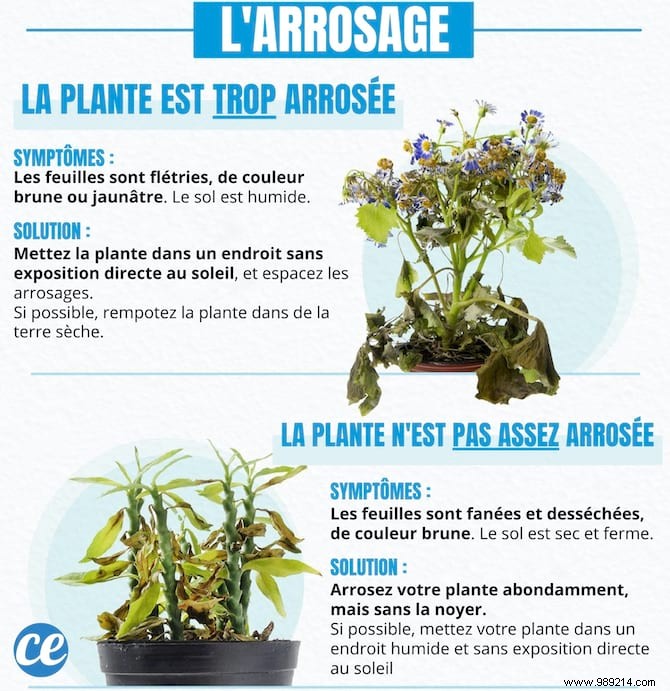
The plant is overwatered
Symptoms: Wilted, brown or yellow leaves; soil stays constantly wet.
Solution: Move to a shaded spot away from direct sun and let soil dry out between waterings. Repot in fresh, dry soil if feasible.
The plant is underwatered
Symptoms: Wilted, shriveled brown leaves; soil is dry and hard.
Solution: Water thoroughly but avoid soaking—place in a sink, let it drain, then move to a humid area out of direct sun.
Overwatering leads to limp stems and discolored leaves. Hold off on fertilizers until roots heal fully. Position out of direct sun and water sparingly until recovery—look for perky, green leaves and balanced soil moisture.
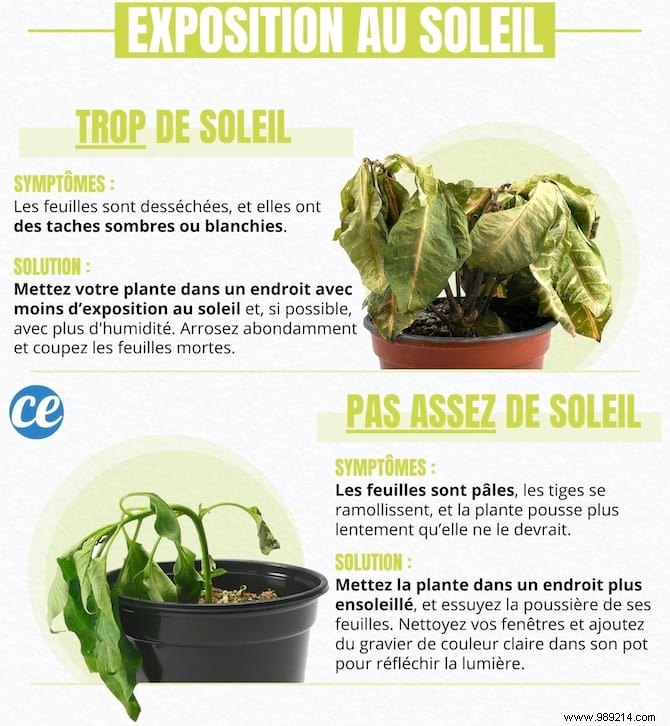
The plant gets too much sun
Symptoms: Wilted leaves with dark or white spots.
Solution: Relocate to indirect light with higher humidity. Water deeply and prune dead leaves.
The plant gets too little sun
Symptoms: Pale leaves, softening stems, stunted growth.
Solution: Move to brighter indirect light. Wipe leaves clean, ensure clean windows, and add reflective gravel or light pebbles to the pot.
Every houseplant has unique light needs—some thrive in bright conditions, others scorch easily. Sudden changes like relocation or new curtains can shock plants. Aim for bright, indirect light; consult a garden center for species-specific advice to find the ideal spot.
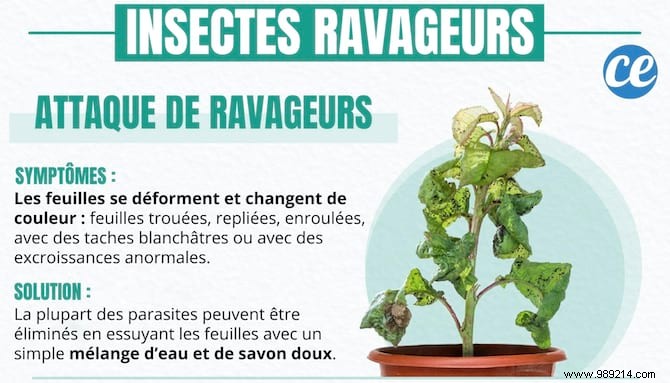
The plant is attacked by insect pests
Symptoms: Deformed, discolored leaves: holes, curling, white spots, or unusual growths.
Solution: Wipe leaves with mild soap-and-water solution to remove most pests.
No plant is immune to pests, but most are manageable. Plant pest-repelling companions nearby for natural protection. Sap-suckers cause color changes; chewers leave holes or stunt growth; larvae create galls.
To discover: 12 Super Effective And Natural Tips To Say Goodbye To Aphids Quickly.
Click here to discover the plants that protect your home from insects.
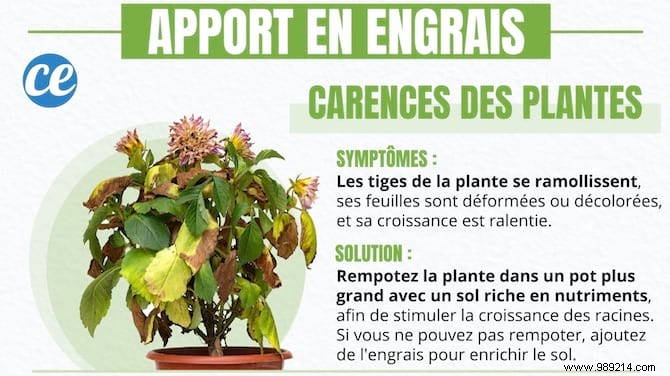
The plant has a nutrient deficiency
Symptoms: Softening stems, distorted or discolored leaves, slow growth.
Solution: Repot in a larger container with nutrient-rich soil. Alternatively, add balanced fertilizer.
Like all living things, plants need nutrients for vitality. Nutrient-poor soil slows growth—boost with homemade fertilizers from household items.
Click here to discover the 7 best do-it-yourself fertilizers for the garden.
If your plant doesn't recover despite care, compost the remains to nourish others rather than discarding.
Revival takes time—weeks or months. Be patient, monitor closely, and provide consistent light, water, and nutrients.
With dedicated care, your plant will thrive greener and more vibrant. Consider companion plants for company.
Not sure which? Click here for the guide to the best houseplants.
