Birds are master planters! Tree seedlings dispersed by them—and other natural means—often thrive exceptionally well. Sure, a cherry sapling popping up in your perennial bed or a honey locust among the roses might seem unruly at first. But here's why embracing them pays off.
Tree seedlings develop into robust plants with deep, well-anchored roots, making them far more resilient to weather extremes and drought.
A few years back, I joined a tree-sowing project in the dry scrublands of the Gard region, planting acorns, apricot kernels, and acacia seeds directly into the soil. The success rate far exceeded traditional plantations, which demand more water, labor, and resources.
Research on root growth tells the story: Apricot roots extend 20 cm per week. A seedling sown in early March can boast a root over 2.5 meters long by mid-June, while the above-ground shoot remains just tens of centimeters tall. Until the roots tap sufficient water, top growth stays modest. Once hydrated, however, the tree surges impressively.
This principle applies to all plants. When shrubs sprout spontaneously in beds or hedges, consider letting nature's placement guide you—it's often ideal.
Several fellow gardeners confirm that their sturdiest orchard trees are those grafted onto established, naturally grown seedlings.
Once again, nature proves superior.
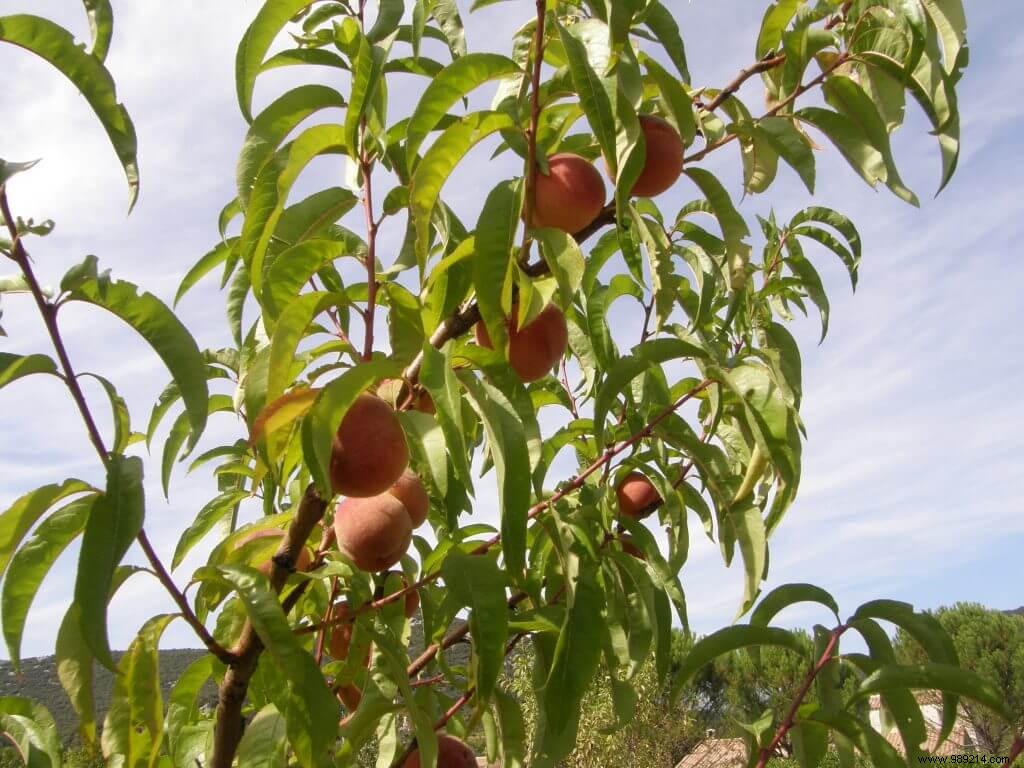
Fruiting peach tree from a seedling sown 4 years ago.
