Question from a reader
Not easy, but absolutely doable—with the right approach.
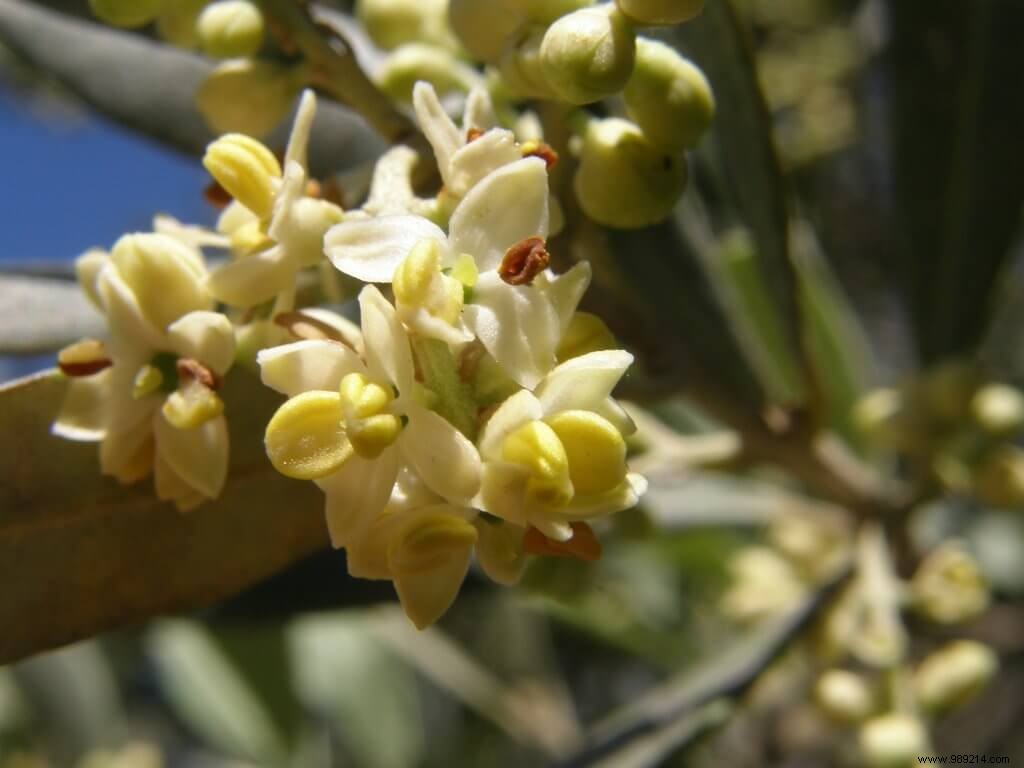
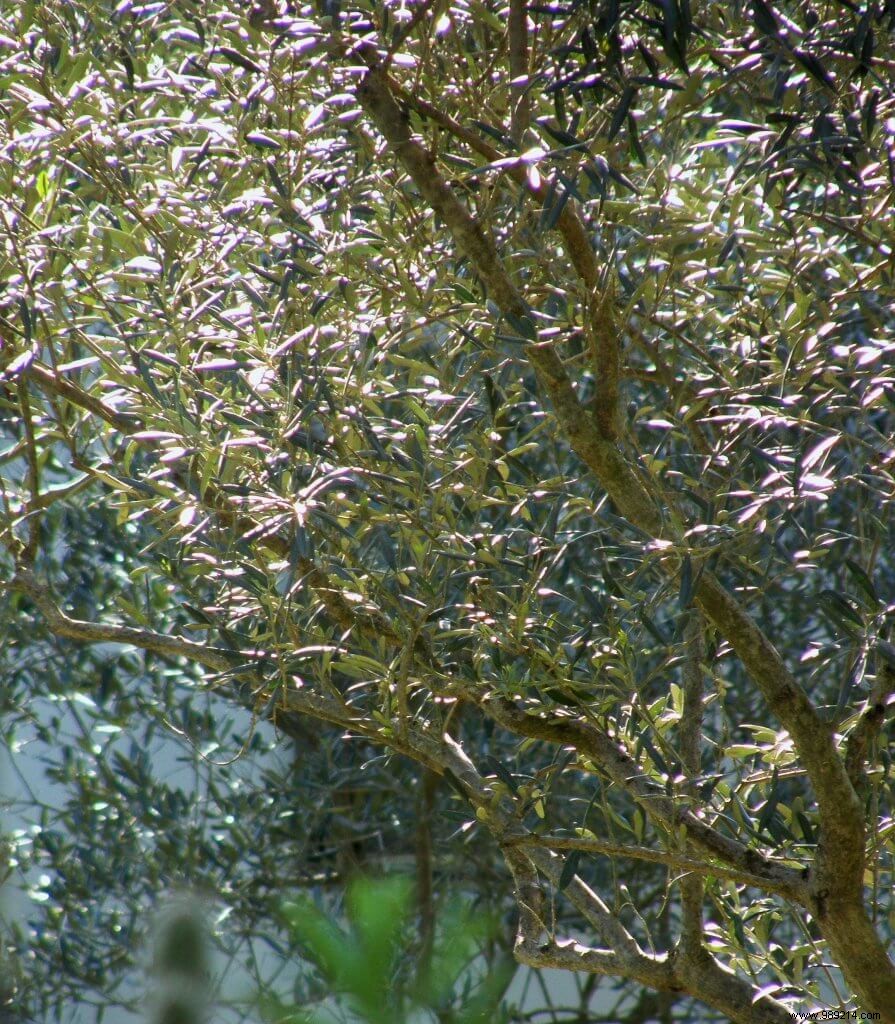
Olive trees have spread across many regions, adding a touch of Mediterranean charm wherever they grow. They're not invasive, but their presence brings warmth and color from the South. Why not try it in your garden? The key is choosing the right variety and site.
As an experienced horticulturist, I've successfully planted olives in varied climates. Opt for cold-hardy varieties, as not all tolerate frost. Beware of nursery stock—verify hardiness ratings. Olives also hate wet feet; ensure excellent drainage year-round.
Choose a full-sun spot, ideally sheltered from harsh winter winds. Dig a massive hole—at least 1 cubic meter (a backhoe makes quick work; by hand, it's labor-intensive). Blend your heavy, compacted soil 50/50 with coarse sand for drainage.
Position the tree so the root ball is covered by just 10 cm of soil. Top with compost and crushed horn, then water deeply. Add mulch around the base for moisture retention and weed control. This winter, mulch heavily and wrap the canopy in breathable winter fleece for protection.
Olives can produce fruit without nearby pollinators—self-fertile varieties exist—but expect a few years before harvest.
Read our comprehensive guide to selecting the perfect trees