As experienced gardeners know, evergreen shrubs—which retain their leaves year-round—require special care during transplanting. Unlike deciduous shrubs moved bare-root in late fall or winter (November to February), evergreens should be relocated during active growth periods: early spring (March-April) or late summer to fall (August-October).
Crucially, always preserve the root ball intact. Bare-root transplanting risks severe shock and poor recovery.
Follow these proven steps, illustrated below:
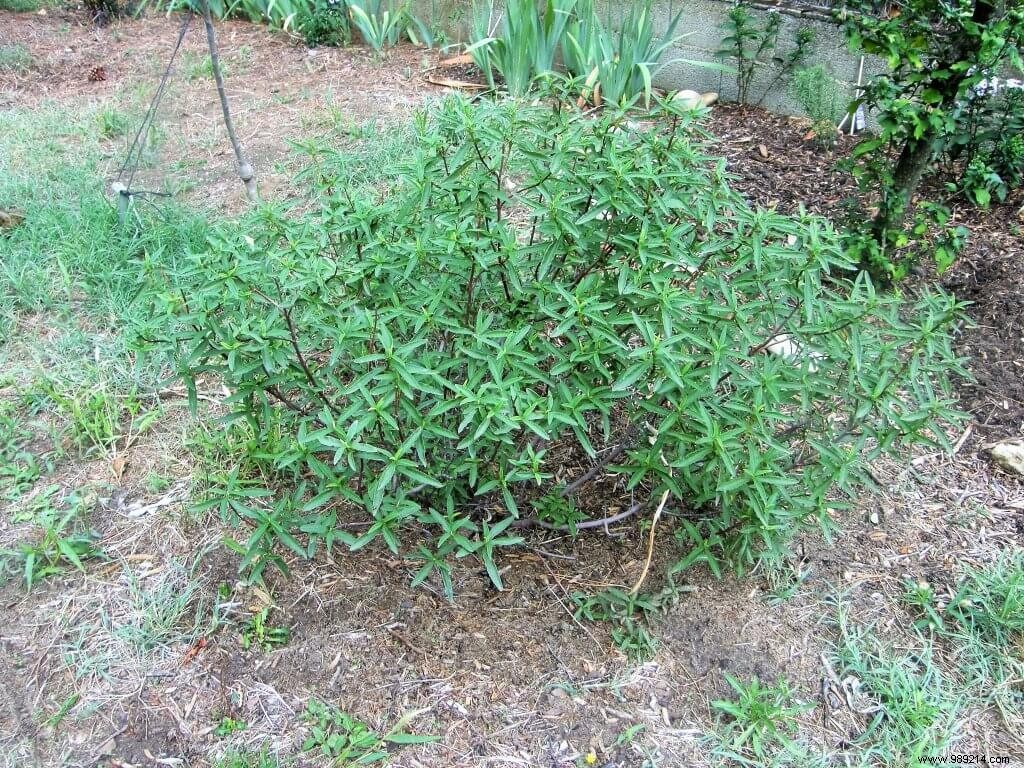
This cistus shrub is ready for relocation.
Begin by outlining a circle around the plant's base.
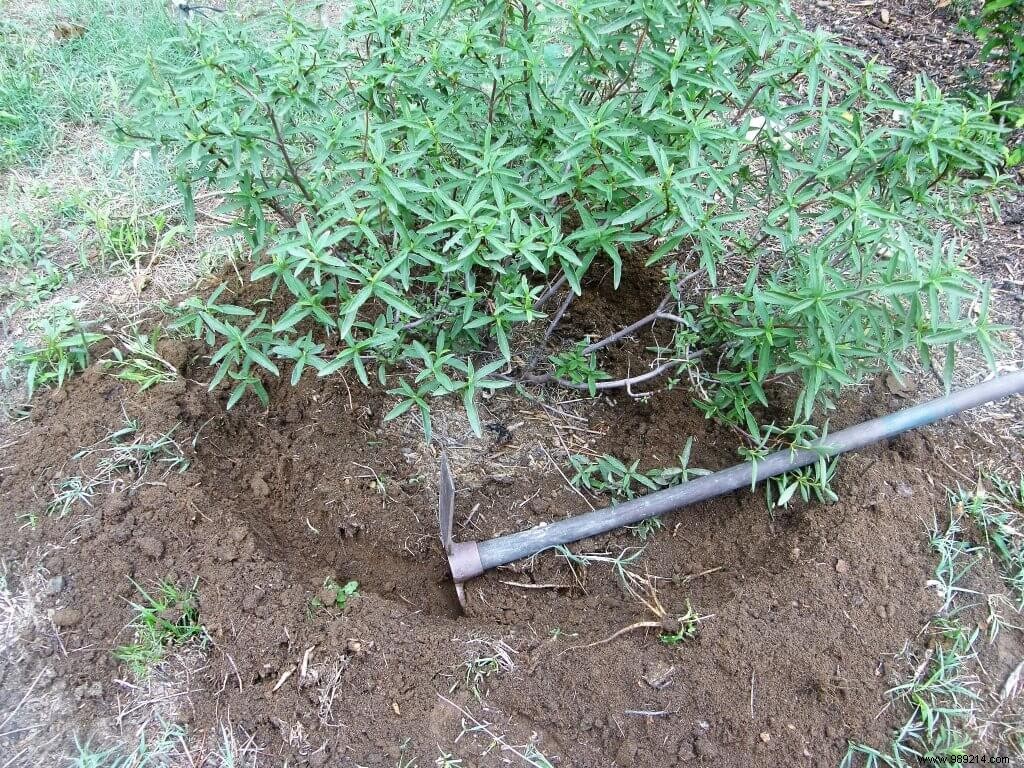
Dig a preliminary furrow along the circle.
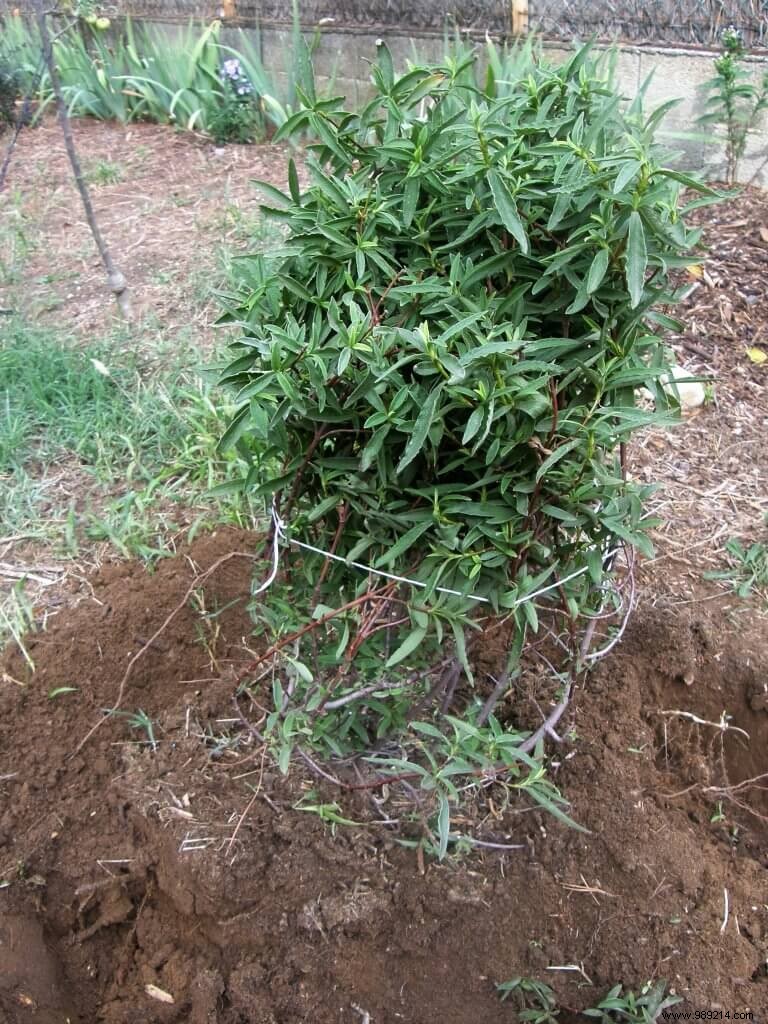
Secure the shrub's stems to protect them.
Next, form the root ball (motte): Use a spade to dig around the shrub, angling the blade toward the root ball to keep it compact. Push the handle inward while cutting roots all around.
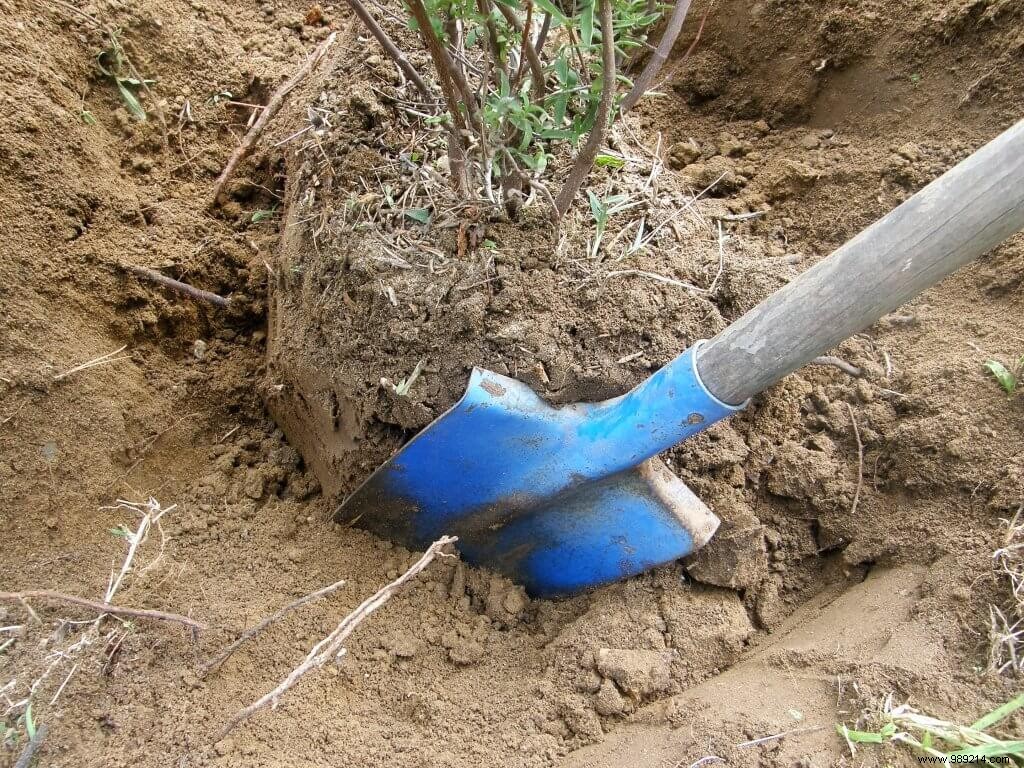
Forming a solid root ball demands precision.
Once lateral roots are severed, undercut beneath the ball to lift it free. Handle gently to avoid breaking the soil clump.
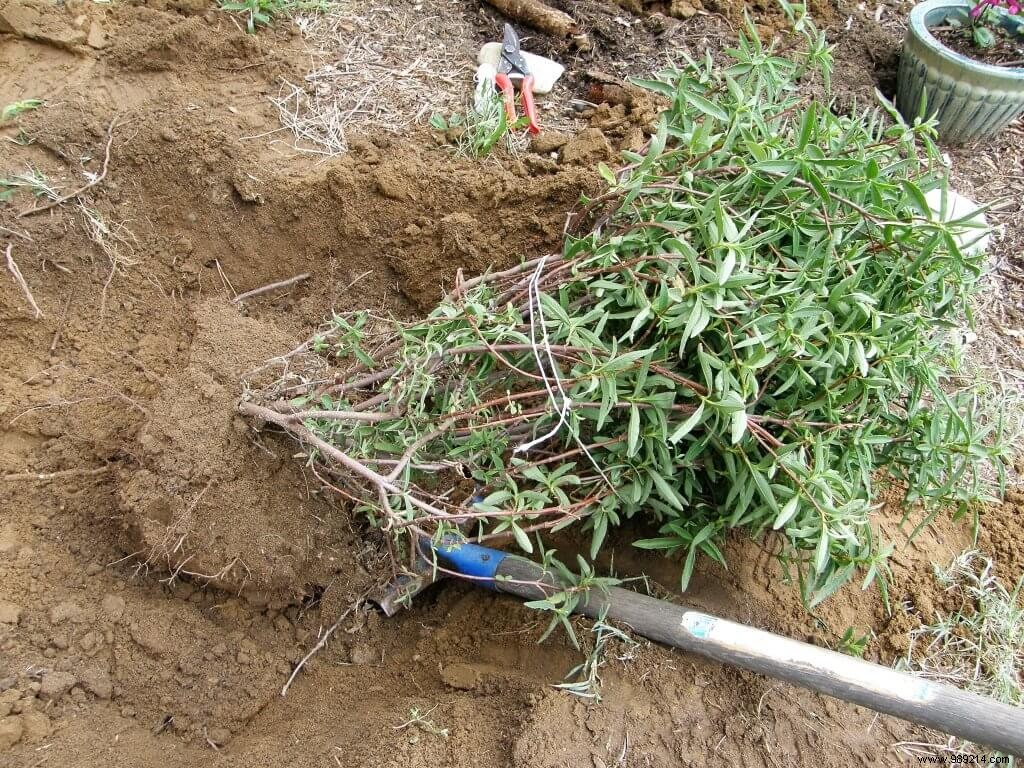
Uprooting the shrub carefully.
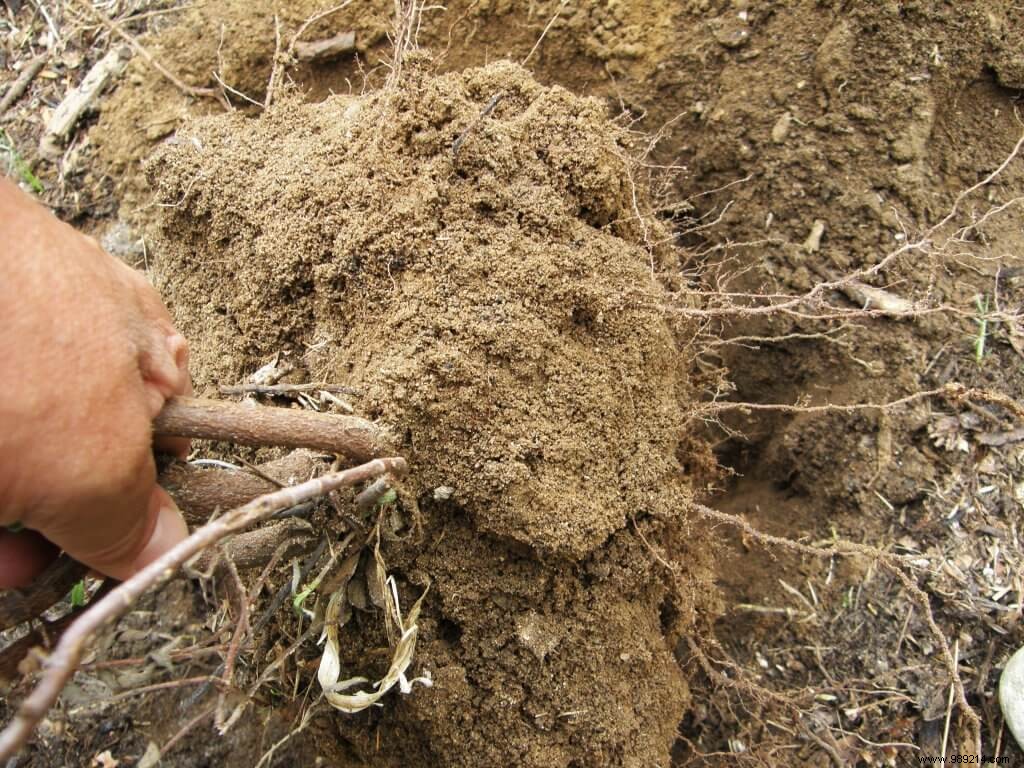
Lift the entire root ball smoothly.
Replant at the original collar depth (where stems meet roots). Pro tip: Lay a tool handle across the hole as a level guide.
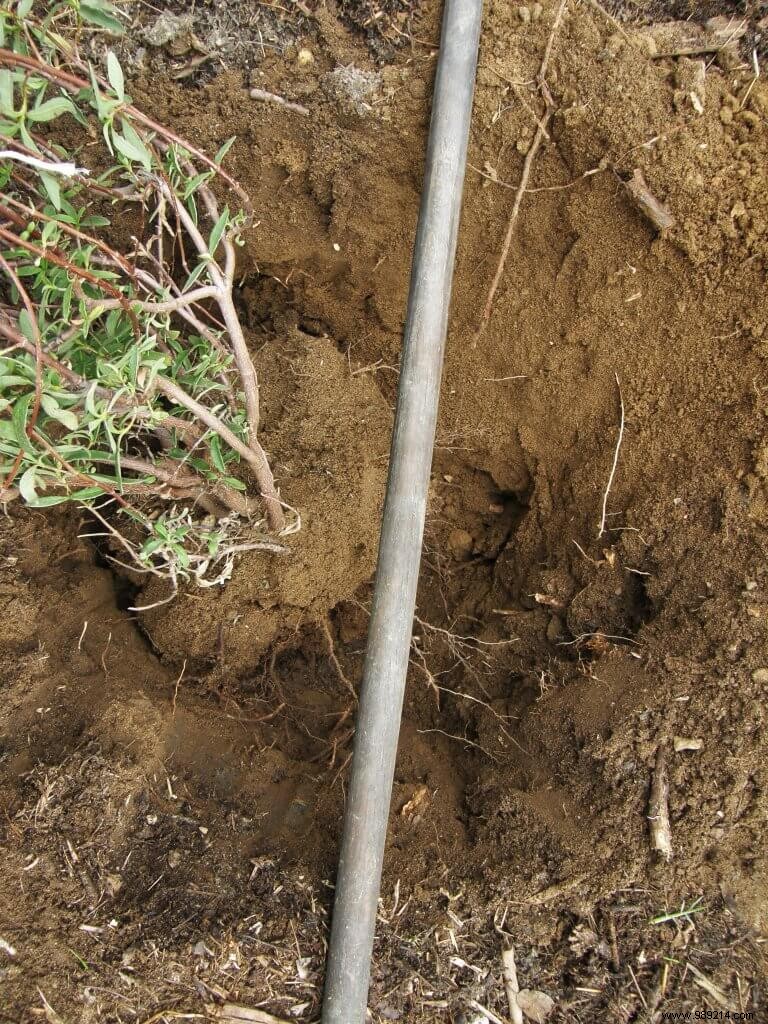
Planting the cistus with collar at ground level.
Backfill with a mix of garden soil, compost, and sand if drainage is needed. Water thoroughly to settle the roots and eliminate air pockets.
With proper aftercare, your evergreen will thrive in its new spot.
