EAJ stands for "Emploi Autorisé en Jardin" – authorized for garden use.
Who can do more can do less...
Recently, my neighbor shared a systemic fungicide he uses against powdery mildew on asters, roses, and zucchini, plus tomato rot. Before applying it, I researched online since the label had faded.
I checked the product's registered crops. Searching its name revealed: "Multi-crop fungicide with a broad spectrum of efficacy that can be used to prevent many fungi such as scab, powdery mildew, moniliosis, rusts, stemphylium, mycosphaerella in vegetable crops, arboriculture and vines."
Zucchini wasn't listed under vegetable crops, making it prohibited. No issue for flowers or roses, though.
The dose for powdery mildew on flowers is 0.05 liter per 100 liters (5ml per 10 liters) – tricky for small batches like 1-2 liters.
For roses, it's double: 0.1 liter per 100 liters (10ml per 10 liters). Spraying leftover rose mix on asters risks overdose, pollution, waste, and potential phytotoxicity.
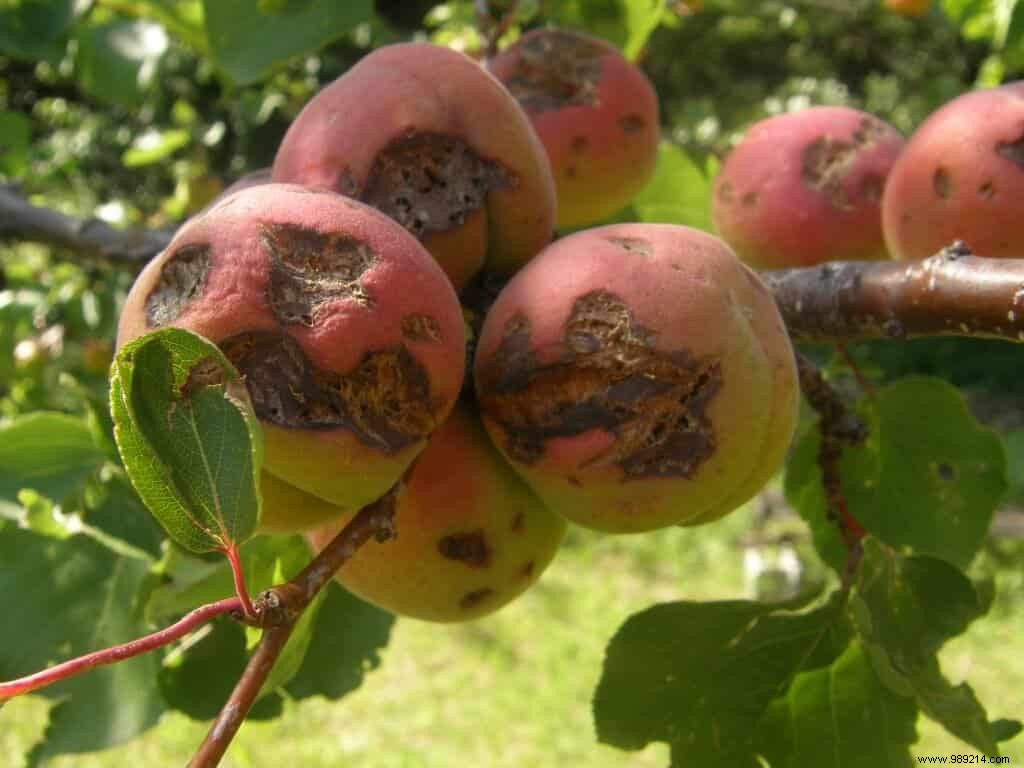
Since it's effective against apple scab, I considered using it there too. Approved dose: 0.015 liter per 100 liters (1.5ml per 10 liters). Using the rose dose would mean nearly 7x overdose!
Normal pre-harvest interval for apples is 30 days. Overdose? Unknown risks.
I'm not blaming the product, seller, or neighbor. This highlights the dangers of misusing phytosanitary products, even EAJ-labeled ones (per e-phy.agriculture.gouv.fr).
Always respect doses and verify efficacy for specific diseases and plants.