Continued from "Can we do without pesticides in the garden? (3)"—focusing on proven safety tips. If you missed the earlier articles in this series, catch up here:
Pesticides approved for public use are labeled EAJ, meaning use authorized in gardens. Professional phyto products are prohibited for sale to hobbyists. Note that the list of approved products for home use shrinks annually—you might even have prohibited items at home already.
Products are classified with pictograms showing risks, plus key hazard phrases you must read carefully.
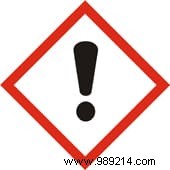
These two pictograms signal user dangers—the red diamond will soon replace the black cross. Below them, Xi and/or Xn indicate irritant and/or harmful. Hazard phrases on the label detail precautions, such as:
Phytosanitary products can enter the body via skin, eyes, lungs, or mouth. Always protect yourself during preparation. Opt for "treatment-specific" nitrile gloves before handling the product or its packaging.
The body may eliminate some toxins, but others accumulate in organs (liver, nerves), bones, muscles, and fat. Risks include burns, irritation, headaches, nausea—and potentially cancer.
Some feel silly in full gear—I say looking ridiculous won't kill you, but mishandling pesticides might. Better yet, skip treatments when possible or choose safer alternatives for people and the environment.
To be continued…
