Updated February 19, 2019: My book on this topic is now available! Discover My Garden at the Service of Balanced Biodiversity, published by Éditions Jouvence.
—
Biodiversity—a term that's grown louder in recent years, especially amid growing threats. Hundreds of animal and plant species vanish annually, with the rate accelerating.
As an experienced gardener and author, I steer clear of denying the crisis, like those claiming extinctions are natural and wolves vanishing from villages is progress. That's a risky oversimplification.
So, what is biodiversity? Why is it vital—and how can you nurture it in your garden?
Picture your garden overrun by aphids. Who's at fault?
Diversify your planting and welcome natural arrivals.
Choose flowers, fruits, seeds; herbaceous and woody plants; bushy and tall forms; deciduous and evergreen; annuals and perennials; warm/cool colors; bloomers across seasons.
Let volunteers thrive. If they clash aesthetically—gardens must delight the eye—trim tops but spare roots, which feed and shelter soil life.
Ponder: Why the issue? Imbalance—from nutrient-poor plants or missing predators.
We notice when 'weeds' invade lawns (charming as dandelions) or veggies (messy amid roses). Species settle where needs are met, sans predators.
Observe: Pests shift yearly as nature balances—unless we disrupt it.
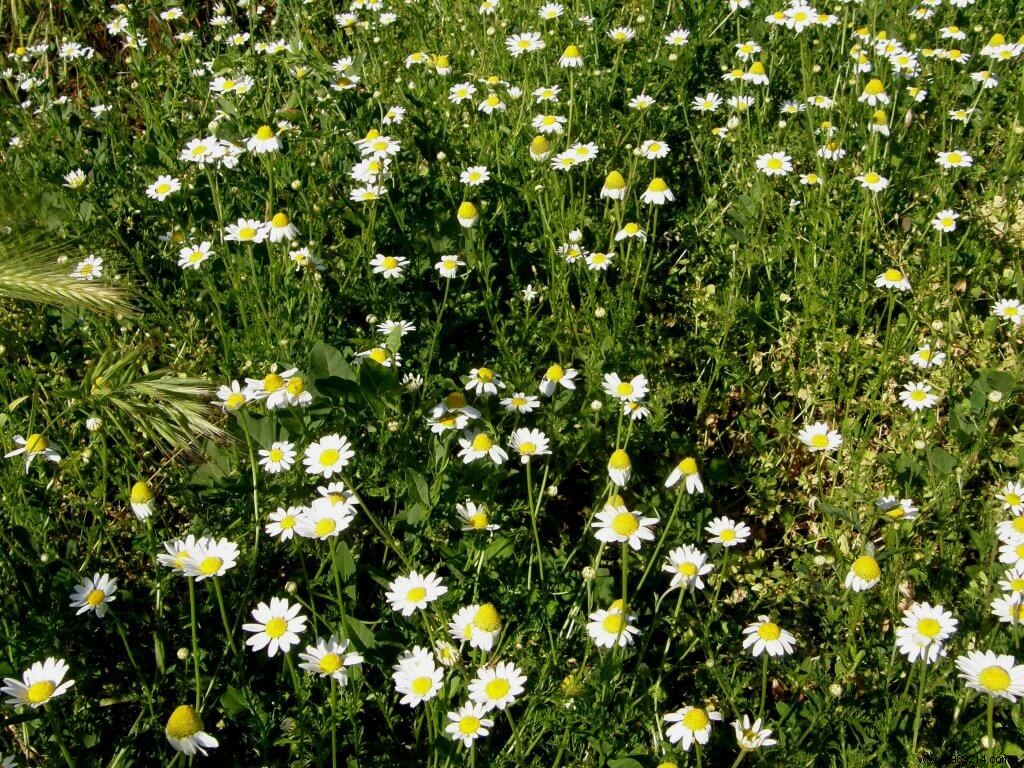
Natural biodiversity: chamomile in meadow
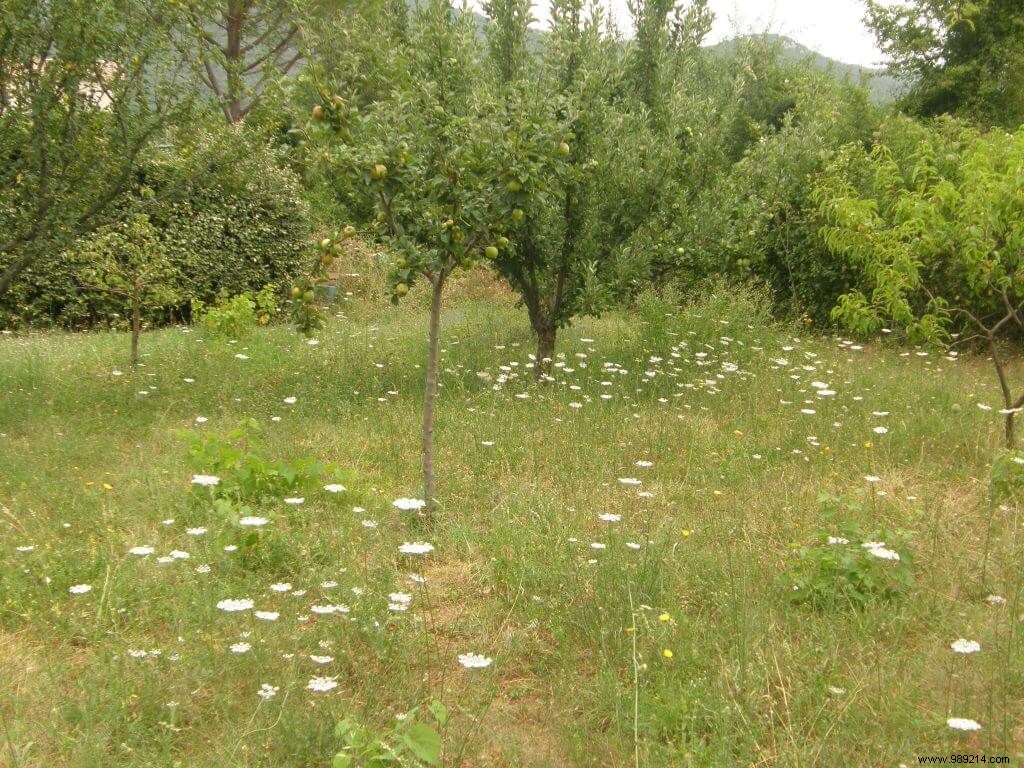
Flowering fallow, differentiated management, biodiversity boost
