In the tradition of French gardens, hedges were among the first plants established after a home's construction. They define boundaries, enhance beauty, provide privacy, and form a cornerstone of landscape design.
Whether featuring evergreen conifers, deciduous flowering shrubs, or a diverse mix, hedges demand careful attention. Trimming aligns with aesthetic, legal, and historical standards. As a landscaping professional with over 20 years of experience, here's authoritative advice on modern hedge maintenance.
A monovarietal hedge uses one plant variety, such as cedar, privet, pyracantha, Leyland cypress, Elaeagnus, or Photinia. These fast-growing options offer reliable structure but require regular trimming.
Evergreen monovarietal hedges need pruning at least twice yearly, ideally in the "A months"—April and August. April's active sap flow promotes quick healing of cuts, reducing risks from pathogens like viruses and fungi. August suits southern regions with its second sap surge; the soft, non-woody growth is easier to shape.
Use hand shears or a hedge trimmer. For powered models, opt for lightweight pole versions with harnesses and adjustable blades. This allows safe, ladder-free top trimming, prioritizing ergonomics and safety.
Lacking time or expertise? Hire a certified gardener for professional results.
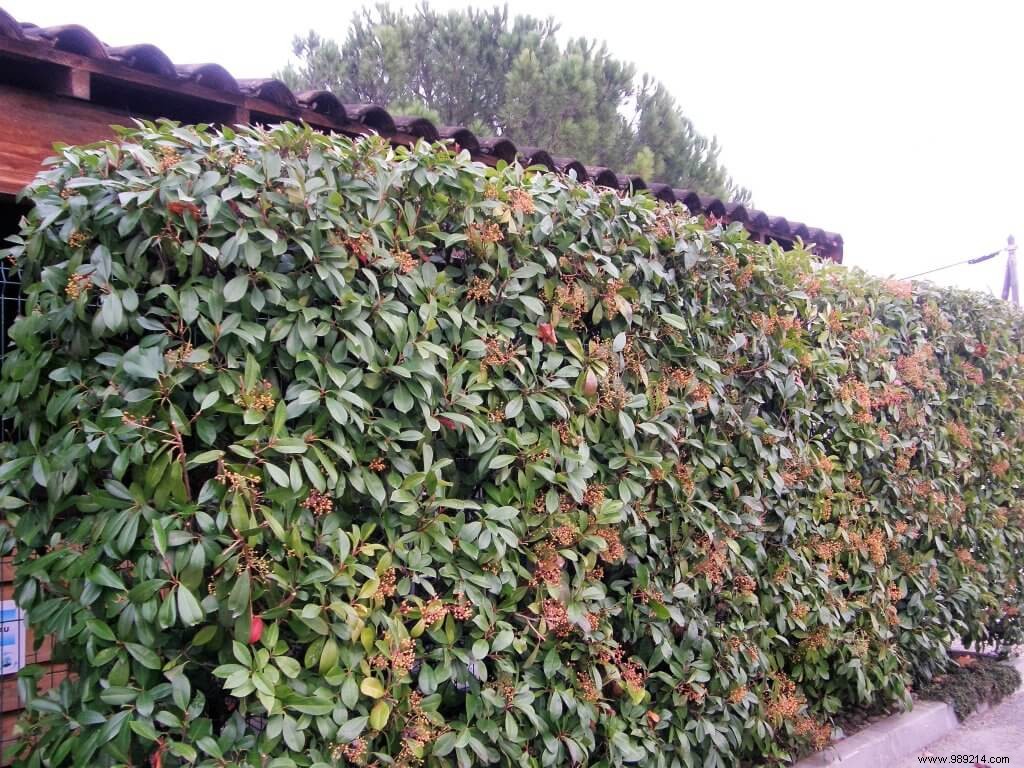
Photinia Hedge
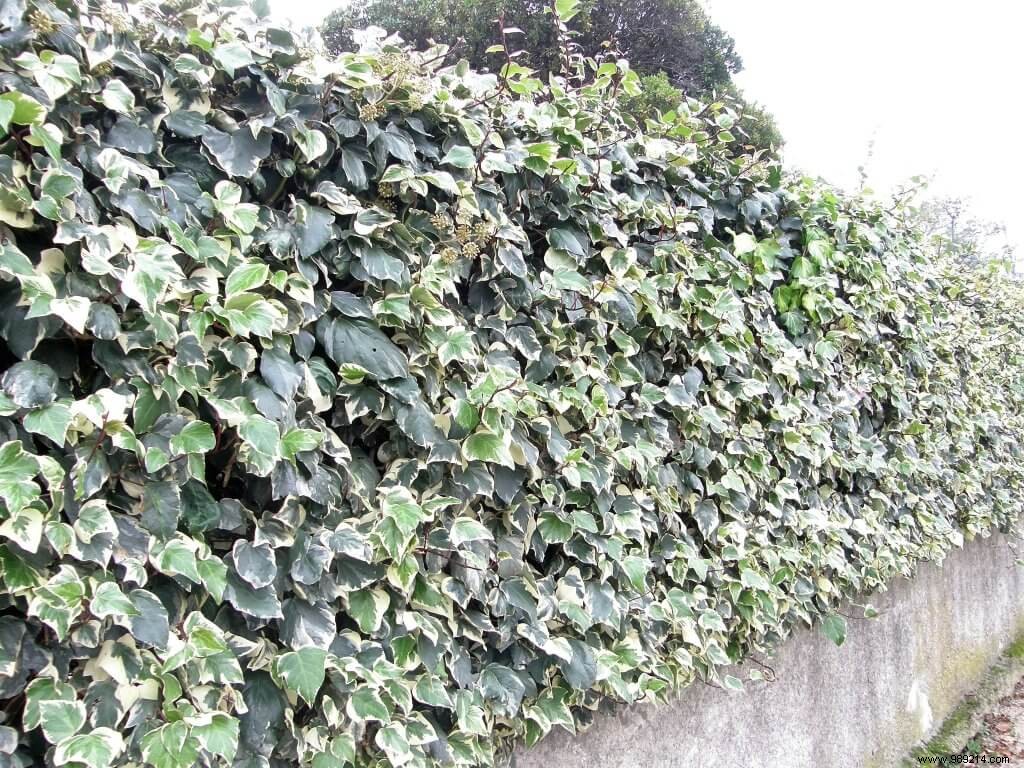
Marengo Ivy Hedge
Mixed hedges blend species—deciduous or evergreen, flowering or fruiting—for year-round interest. Prune individually with secateurs, following these rules: Spring bloomers after flowering; summer bloomers in late winter (late February to early March); evergreens in April and August.
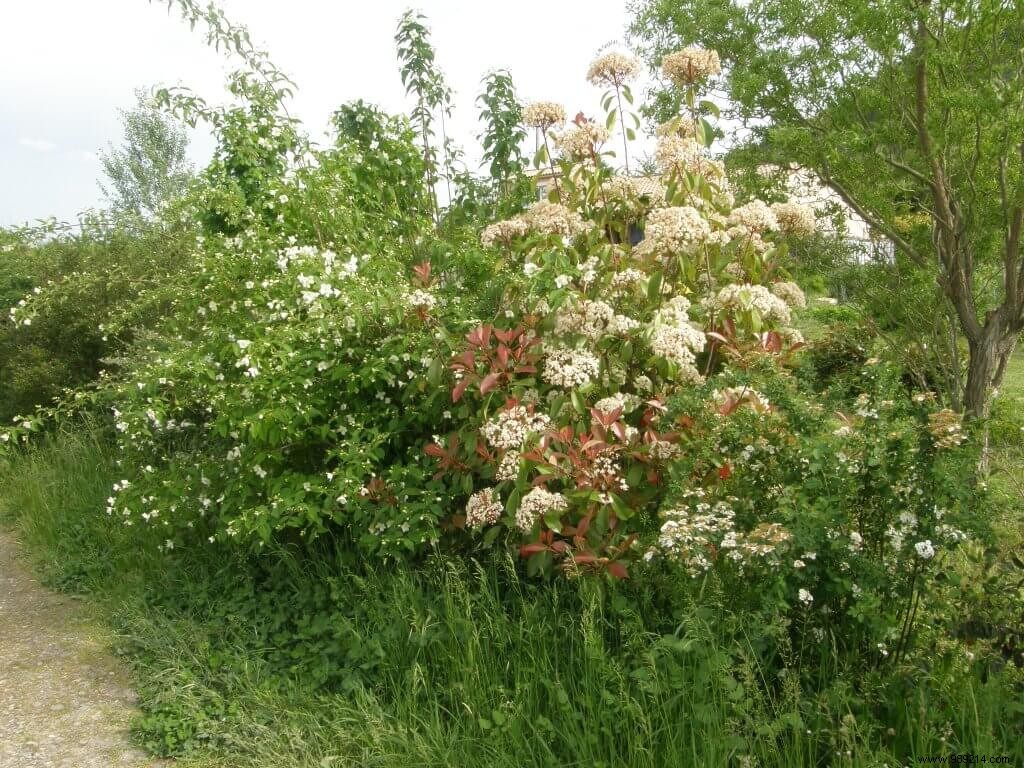
Mixed hedges offer diverse colors, heights, and shapes compared to single-variety options
Clean and disinfect tools before and after each session to prevent disease spread.
For more on pruning flowering shrubs, check my guide: Pruning Flowering Shrubs: A Comprehensive Overview.
