July signals peak harvest time, but savvy gardeners know it's also ideal for a second fertilization round—especially for in-ground plants and vegetable gardens.
Intensive growth depletes soil nutrients as they fuel those vibrant vegetables. Heavy rains and frequent watering further leach them away into deeper layers. That's why replenishing is crucial. If you incorporated slow-release organic fertilizers at planting, their effects typically last about three months—making July perfect for the next application.
With years of hands-on gardening experience, I've curated this selection of proven summer fertilizers from jardinet.fr. For fall tips, follow this link.
Organic matter builds humus, enhancing soil structure, aeration, and microbial activity. However, climate, crop types, and varieties influence fertilizer longevity.
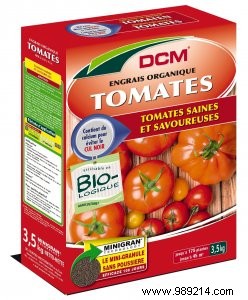
Fertilizer-tomato-Garden
This 'fruiting' formula shines for tomatoes, squash, zucchini, pattypans, pumpkins, cucumbers, gherkins, strawberries, and small-fruit shrubs like currants and blackcurrants. Its 4 units of calcium combat blossom-end rot—those black-bottomed tomatoes—though consistent watering is key. Apply first at planting, then from June through October.
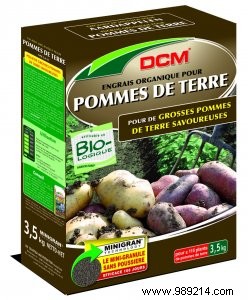
Garden-potato-fertilizer
Perfect for roots: potatoes, turnips, beets, parsnips, and carrots. Initial dose at planting, second in June/July for late crops. Lasts about three months, shorter in sandy, high-rainfall soils. Time for your second round now.
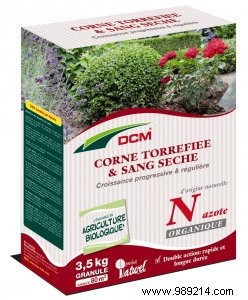
Fertilizer-roasted-horn-and-dried-blood-Garden
A powerhouse nitrogen boost for vigorous growth—ideal post-exhaustion or early season. Dried blood delivers quick 'whiplash' results; roasted horn provides slow-release sustenance. Together, they offer immediate and extended benefits, carrying through to fall.
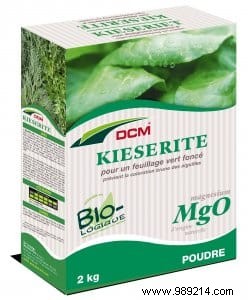
Fertilizer-Kieserite-Garden
Yellowing leaves scream deficiencies—often magnesium, a key chlorophyll component. This revives foliage, conifer needles, and lawns, especially in sandy soils or pots. Use February to October; a staple for summer nutrition.
Always follow package dosages and frequencies—even organics can backfire if over-applied. Excess harms more than helps.
Pots hold limited soil and nutrients, with frequent watering accelerating leaching. Increase frequency slightly, without exceeding doses.
From my recent jardinet.fr order, I added a terrace mister—game-changer for cooling!
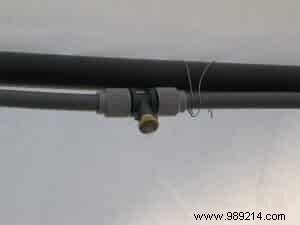
Fogger
I also grabbed biodegradable Hytimulch veiling—details next year after installation. Irrigation tweaks ahead...
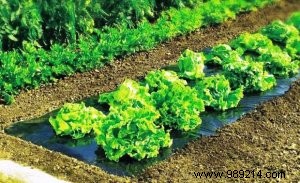
Biodegradable-mulching-film-Hytimulch-Jardinet
Why jardinet.fr? Trusted for quality gardening essentials.
