As a seasoned gardener with years protecting plants across varied climates, I've seen firsthand how frost-sensitive species suffer without proper care. Frost-prone plants—those vulnerable to cold—need targeted protection to thrive.
This may sound basic, but cold varies in impact, as does plant resistance. Each species has a genetic tolerance limit. Gardening references list minimum temperatures by variety, though figures differ by source. View these as helpful guides, not guarantees—what matters is the type of cold.
Hardy trees withstand -20°C or -25°C for weeks unharmed. Others quiver near 0°C in temperate zones; tropical houseplants fare worse.
Context is key: a -3°C dry January night poses less threat than -3°C in April after mild spells, when buds emerge.
At 0°C, water freezes and expands. Without thick bark, cells rupture, causing scorched tips, stem necrosis, or death in severe cases.
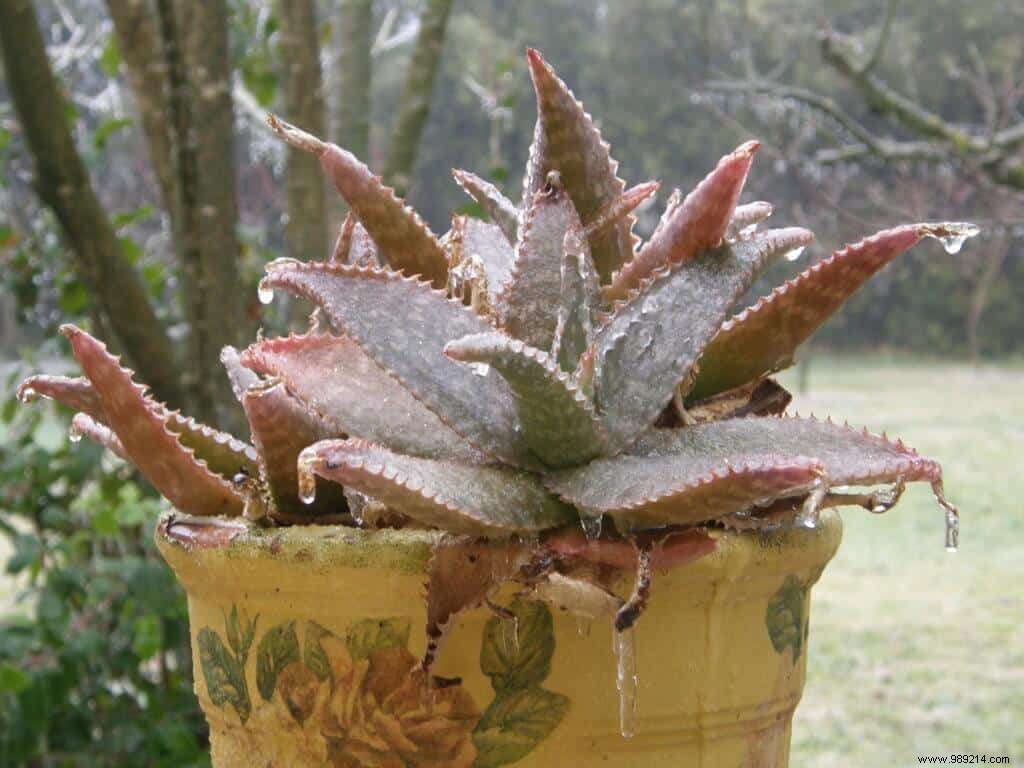
Winter protection would have saved this plant.
Treat them cautiously. Thermometer readings alone deceive—cold plus humidity devastates. Wet soil and icy winds amplify damage. Even within species, varieties differ: some oleanders thrive in Cévennes gardens or southern Massif Central, others need Côte d'Azur mildness.
It's a proven one. Best: move pots to frost-free indoors. For garden-planted or immovable pots, cover them.
Shield foliage/branches and roots. For aerial parts, use multi-layer horticultural fleece (winter veil). Skip plastic—it traps condensation, fostering rot, with negligible insulation.
Wrap pots in plastic (garbage bags), burlap, mesh wire, or potato netting. Leave air gap between pot and wrap; stuff with newspaper balls. Trapped air insulates like wool.
Always remove saucers—standing water blocks root respiration year-round and breeds tiger mosquitoes.
Don't yank it off when 'frosts end'—that's risky. Gradually: uncover on mild sunny days for air circulation, recover evenings against dawn chills.
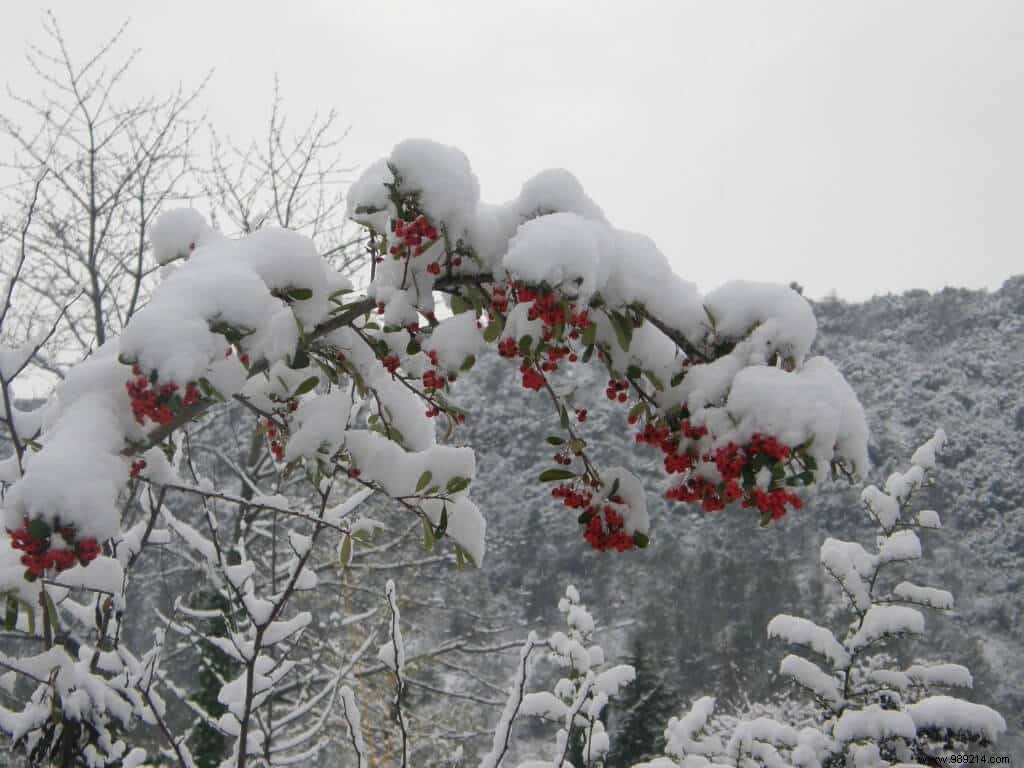
Snow on this resilient cotoneaster—no protection required.
