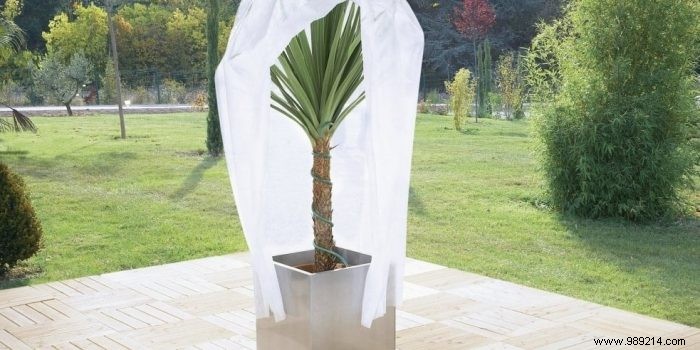
Winter's harsh cold spares no one, especially our cherished outdoor potted plants. As experienced gardeners know, proactive care for planters is essential long before frost sets in. Cold snaps combined with excess moisture create ideal conditions for diseases that rot leaves and roots. While moving some plants indoors helps, it's not a complete safeguard.
Come winter, pelargoniums, anthemis, and similar plants often move inside. First, isolate any diseased specimens—those with spotted leaves or poor flowering—to prevent spread.
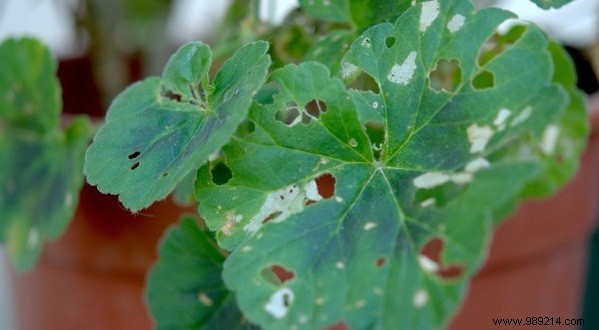
Remove diseased leaves promptly.
Healthy plants nearby can quickly succumb, especially in low-light or poorly ventilated spots where botrytis thrives on dead tissue. To protect your collection, prune away all affected foliage and discard severely impacted plants entirely. Additional steps include treating for pests like mealybugs and aphids with insecticide a week before indoor relocation.
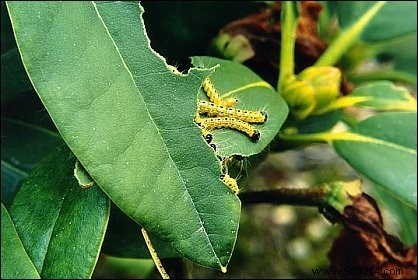
These nocturnal beetles ravage leaves, targeting rhododendrons and hydrangeas. Adults lay eggs in soil, where larvae devour roots. Combat them by hunting adults at dusk during feeding. For heavy infestations, remove soil and drench with tansy infusion to eradicate larvae—a trusted natural remedy.
Beyond aphids and scale insects, snails pose a major threat, scaling pot edges and hiding in wooden planter crevices to reach plants.
Insects overwinter as larvae, eggs, or cocoons, making identification tricky—but proximity to plants signals springtime danger.
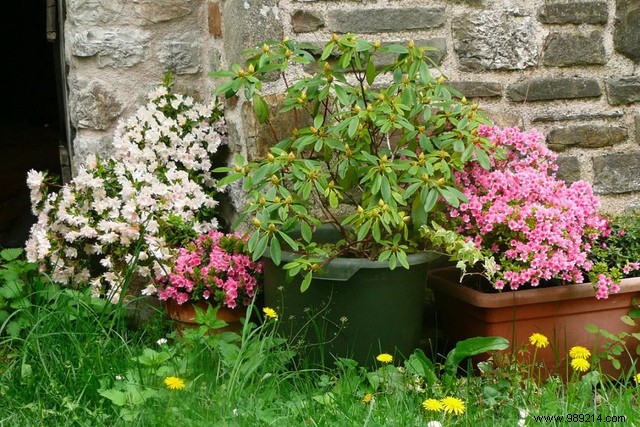
Potted Azalea and Rhododendron
Wooden or ornate pots trap rainwater, leading to soggy soil. Choose smooth cachepots for better drainage and protection of your blooms.
