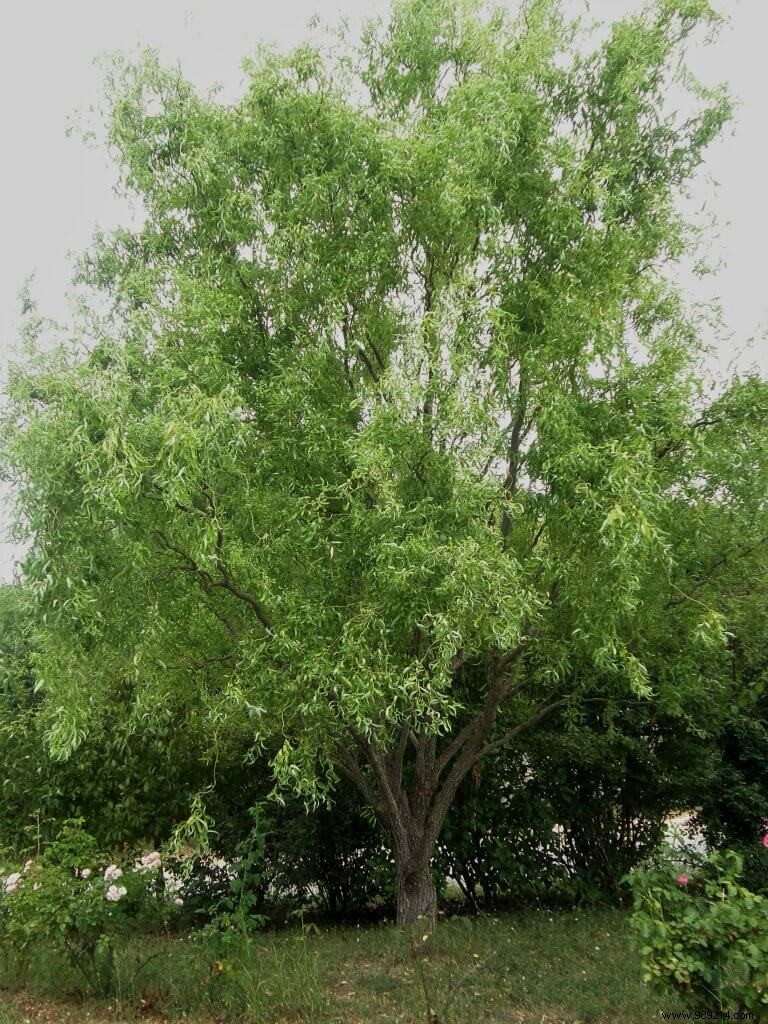
It's planting season—have you considered adding a tree to your landscape? But first, what exactly defines a tree?
As forests recover and urban green spaces expand, understanding trees starts with a clear definition. A tree is a perennial plant that remains stationary to obtain nutrients, unlike mobile animals. Botanically, it features lignin—a key wood component—and a central axis or trunk that grows upward, much like the letter 'T' in 'tree' itself. This holds across languages, from English 'tree' to Russian 'дерево'.
The word 'tree' traces deep roots. In Celtic, 'ar' means earth, linking to places like Armorica (land by the sea) and Ardennes (deep-rooted land). Hebrew 'ets' (tree) relates to 'etsem' (bone), suggesting structural parallels. Greek 'dendron' appears in rhododendron (rose tree) and philodendron (tree lover). In French, from Latin 'arbor' via 'arb-' (growth), 'arborer' means to stand tall like a tree.
Trees cover about 27% of emerged land—roughly 40 million km². In mainland France, woodlands span one-third of the territory, or around 17 million hectares today. Historically, Roman Gaul had 45 million hectares of forest; by 1820, it dwindled to 6 million. Alarmingly, 17 million hectares of tropical forest vanished in 2016 alone, dropping to near 12 million by 2018. These figures underscore the need for action.
Plant trees everywhere—your garden, roadside, balcony, or even indoors. Now is the ideal time to contribute to reforestation efforts.