As a seasoned gardener, I've found that most organic materials from plants and animals can be composted effectively. However, steer clear of cooked foods, cheese, meat, and fish—these attract rodents and produce foul odors from fermentation.
Potato peels, along with all fruit and vegetable scraps, are compost gold. Citrus peels are tougher due to their chemical content and break down slowly, but they do decompose eventually. For faster results, chop them into small pieces. I always prioritize quality compost over rushing the process, even if it means being patient with community waste volumes.
Eggshells are excellent for compost—they add calcium—but crush them first. Once, I tossed a garden-fresh egg into the pile unbroken; a month later, it burst upon touch, releasing a horrendous smell. Lesson learned: always break eggshells before adding them!
Thin wood shavings and prunings from hedges can be composted, but run them through a chipper first. Limit softwood (like cedar or Leyland cypress) to no more than 20% of the pile to avoid balance issues.
Walnut leaves are fine for compost, but they contain tannins and juglone, which inhibit germination and repel herbivores. Let them decompose separately in a pile for a few months until the toxins break down, then mix in. Mature compost poses no issues for your plants.
Absolutely, but mix them well. Fresh grass clippings ferment if layered alone, so blend with browns like straw, dry leaves, or shredded cardboard for proper aeration and decomposition.
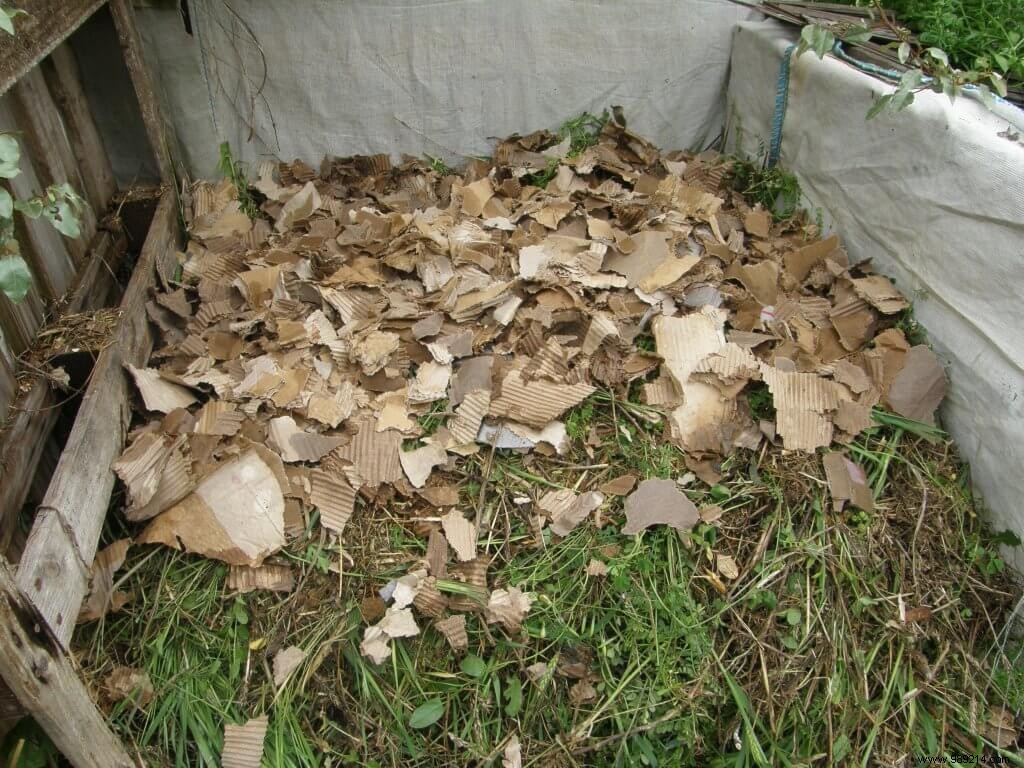
Shredded cardboard mixed with grass clippings and green waste works wonders.
For more composting insights, check related resources below.
