Permaculture is a holistic design system that mimics nature's processes, fostering sustainable agriculture while embracing a thoughtful mindset.
Drawing from 'permanent culture,' permaculture leverages natural systems for enduring agricultural production. Unlike the contradictory notion of 'sustainable development,' it optimizes nature's efficiencies for thriving yields—rooted in ethics and observation.
Permaculture emphasizes interactions within ecosystems: soil, climate, plants, and living organisms. We cultivate in harmony with natural cycles, rather than forcing the environment to adapt—a stark contrast to conventional farming.
Its three core ethics are: care for the Earth, care for people, and fair share. Production isn't just about output; it's about equitable distribution and ethical stewardship.
Observe first: if a plant thrives in a spot, it's suited there. Embrace what grows naturally in your garden, as certain species will flourish while others won't.
The richest natural ecosystem, the forest, features layered strata—tall trees, shrubs, herbaceous plants, and ground covers. How can you replicate this in your own garden?
Prioritize biodiversity: diversify plant varieties, both cultivated and wild, to attract a balanced array of animals that self-regulate populations. Imbalances arise when one species dominates.
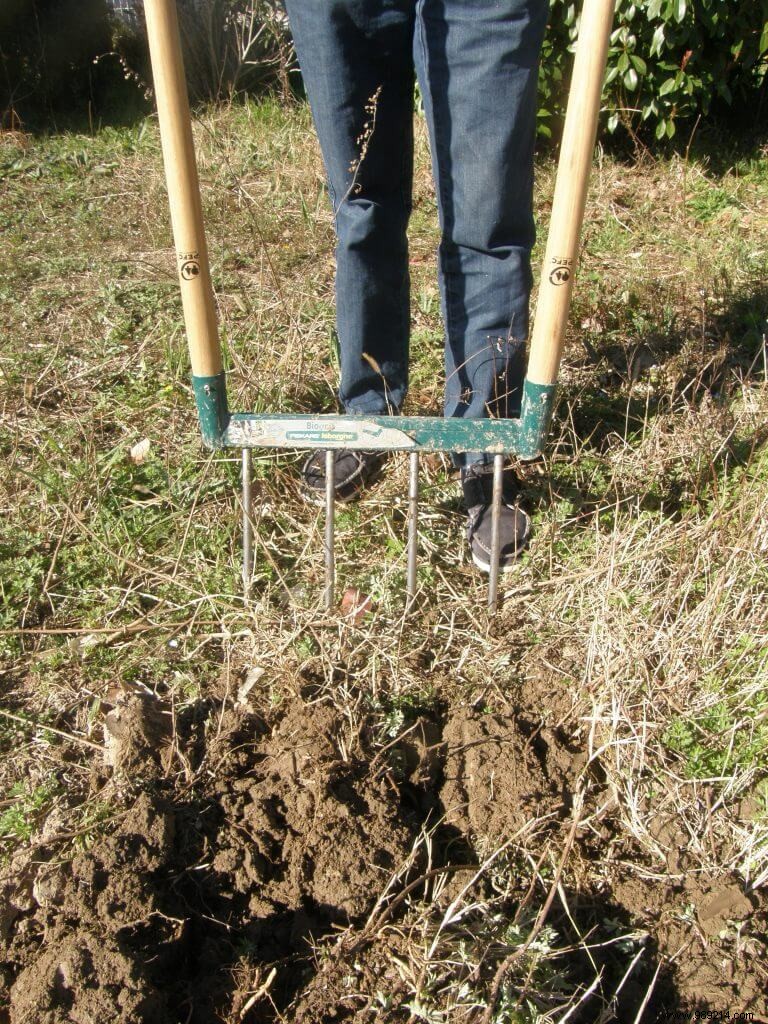
Achieve this by avoiding chemical inputs, minimizing even organic ones, and skipping soil tillage, which disrupts microbial life and soil layers. Establish forest-like layers where possible—ideal for larger spaces but adaptable to small gardens via mixed hedges, trees, shrubs, and perennials with staggered blooms, supporting vegetables and small fruits.
Protecting nature safeguards people too: lighten workloads, align with seasons, observe patiently, and act mindfully. This shifts our view from overproduction to harmony, with surplus shared generously—a cornerstone of permaculture.
Ready to implement? Start observing and experimenting today.
