Your garden and kitchen have more in common than you might think—beyond vegetables and herbs, certain flowers are not only edible but transformative. As experienced gardeners and chefs can attest, petals and whole blooms add stunning color and surprising flavors to dishes, delighting guests with their unique tastes.
Eating flowers isn't a modern trend; it's an ancient practice seen worldwide, from China to contemporary French cuisine. With 250 to 300 types of edible flowers available, their profiles range from sweet and floral to bitter, tangy, or even iodized, enhancing salads, sauces, desserts, and more. Drawing from culinary tradition and hands-on experience, here’s our top 10 edible flowers, including beloved classics and unexpected gems.
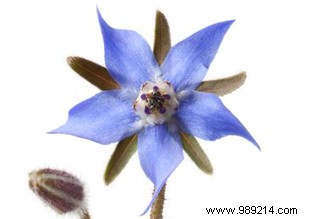
Known as vegetable oyster or blue star, borage offers a subtle, oyster-like brininess. It's a longstanding favorite in seafood, shellfish, vegetable dishes, and creamy sauces.
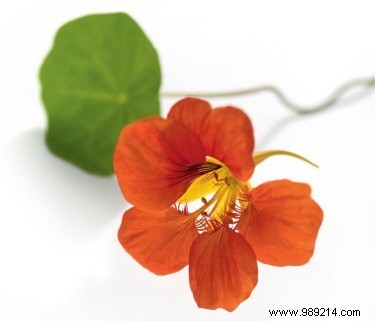
Famous for its peppery, radish-like zing in shades of red, yellow, and orange, nasturtium tops the list of edible flowers. Scatter it over spring salads, blend into butter, or stuff with minced meat or cheese.
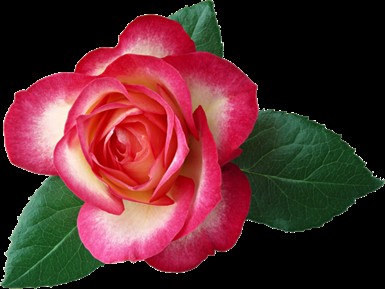
Beyond beauty products like rose water, roses shine in the kitchen. Infuse vinegars, teas, jams, cakes, or crisps; use fresh in salads or with sautéed meats.
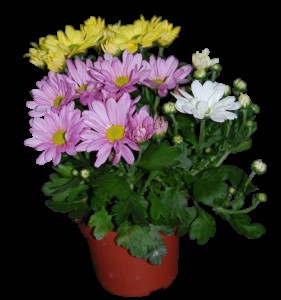
Despite its potent aroma, chrysanthemum is a staple in Chinese cuisine, often fried in oil for a crispy, flavorful treat.
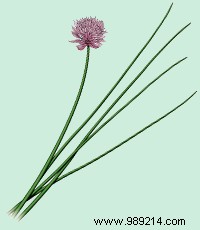
The pom-pom blooms atop chive plants match the leaves in mild onion flavor. Sprinkle them on meats, sauces, or cheeses for a fresh lift.
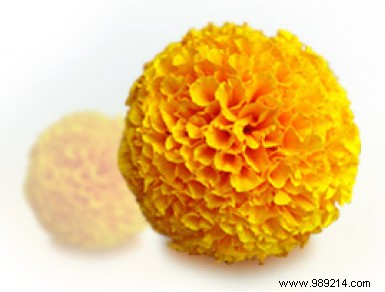
Sunny marigold petals evoke ginger's spice with passion fruit's tropical notes. Perfect for vinaigrettes, tabbouleh, or soups.
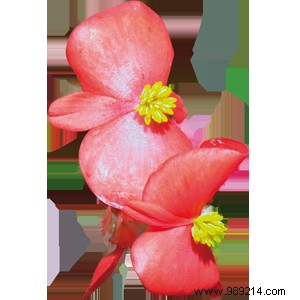
Tangy, fruity, and crunchy, begonia pairs beautifully with fish, tabbouleh, or foie gras.
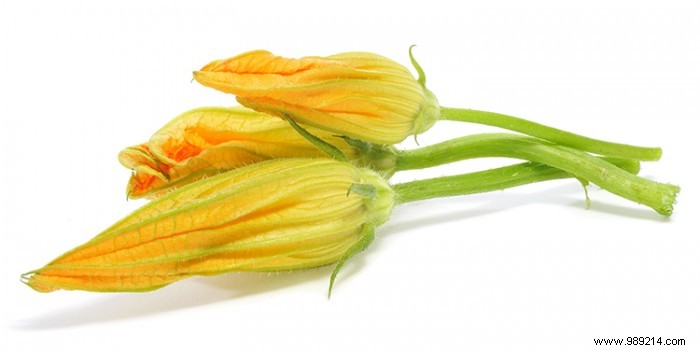
Zucchini flowers star in fritters, salads, omelets, and stuffed dishes—a tradition from our ancestors. Male flowers are classic, but females work too.
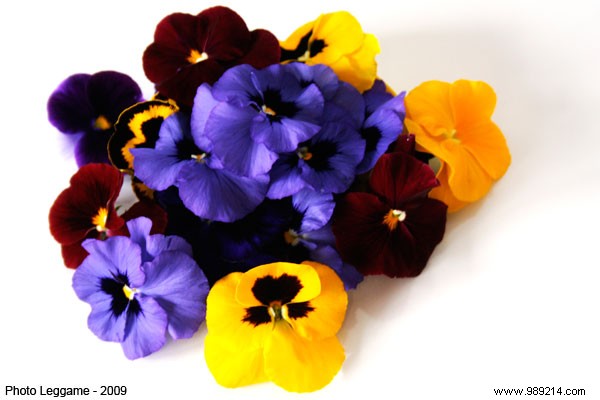
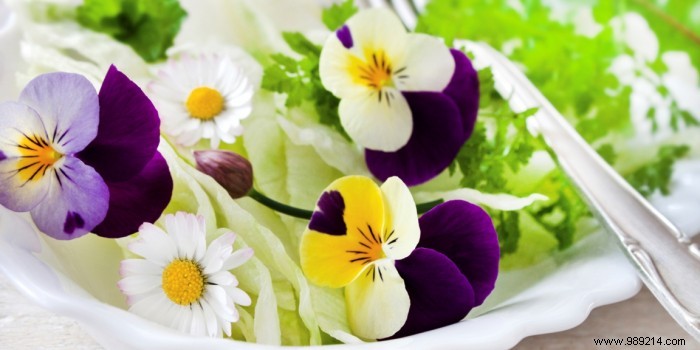
With a nutty hazelnut taste, pansies are pastry chef favorites, crystallized for desserts or enjoyed fresh in salads.
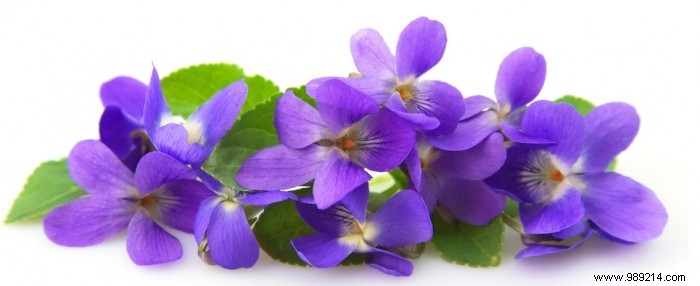
Tiny violets, often paired with pansies on pastries, offer sweet-bitter notes and a delicate fragrance in pink-to-purple hues.
Safety first: Confirm no pollen allergies, verify edibility (avoid toxic ones like iris, brugmansia, oleander, thrush, or narcissus), and source organic flowers. Skip florist or garden center blooms due to pesticides and preservatives.
