Harvest season is over. Now is the ideal time to prepare your vegetable garden for winter.
Why bother? A garden that winters well is far easier to revive and cultivate in spring.
Without prep, November frosts bring weeds and dying plants that overrun everything.
Fortunately, these 7 straightforward tips, drawn from years of hands-on gardening, will set your plot up for success next spring. Watch:
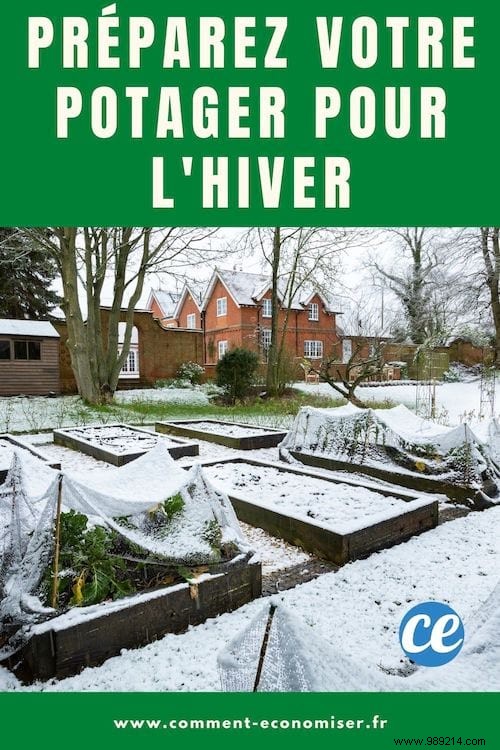
By season's end, your garden often looks wild, overrun with debris. Tackle it by dividing into manageable zones—this makes the job less daunting and lets you track progress.
Clean each area meticulously:
- Remove all dead plants: Diseases like mildew or pests can overwinter in leftover foliage and fruit. Pull stems, leaves, and rotten produce. Compost healthy waste, but trash diseased material (fungi, mildew, mold) to avoid spreading via compost.
- Refresh with mulch: Clear weeds from under old mulch, then apply 3-5 cm of compost. Top lightly with old mulch to suppress weeds and shield soil without fully insulating it. Frost naturally kills many pathogens and pests—avoid thick layers that prevent freezing. After ground freezes, add more mulch over perennials and beds.
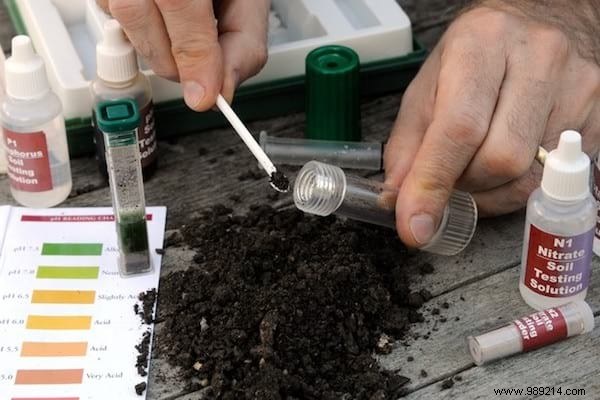
Fall is prime for soil testing to check pH (acidic or neutral) and adjust over winter.
Tests reveal: soil pH; potassium (K), phosphorus (P), calcium (Ca), magnesium (Mg), sulfur (S) levels; organic matter; lead content.
Use results to add lime for pH balance or organic fertilizers. Fall application lets lime integrate fully. Save other nutrients for spring planting. Easy kits make testing simple.
For next year's harvest, plant garlic cloves this fall.
Select a fresh spot (not prior garlic area) to preserve soil health. Work in compost and organic fertilizer.
Space bulbs 15 cm apart, 10 cm deep. Mulch lightly at planting; refresh after first frosts.
Cloves go dormant, sprouting with warmth.
To discover: No More Need to Buy Garlic! Here's How To Grow An Infinite Stock Of It At Home.
Fall is perfect for growth—prep new beds or plots.
Garden centers offer fertilized potting soil bags. Fill new areas and top with mulch.
Come spring, just sow seeds.
To discover: How To Make Seed Ribbon With Toilet Paper (Easy And Cheap).
Fallen leaves are a gardener's treasure. Stockpile them in compost bins or bags.
Use for mulch, compost 'browns,' or leaf mold.
- Mulch: Shredded leaves smother weeds, hold moisture, enrich soil, and shelter beneficial organisms.
- Compost: Balance 'greens' (kitchen scraps) with leaves as 'browns' for optimal decomposition.
- Leaf mold: Decompose into humus to boost soil structure, retention, and feed microbes.
Mow with a bagger for instant mulch/compost mix, or rake piles. Side-discharge works too. Cardboard collects easily—see the trick.
To discover: 3 Uses for Fallen Leaves Nobody Knows About.
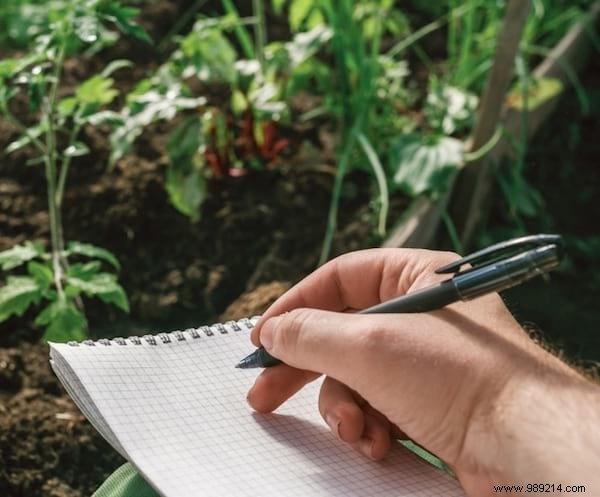
While tidying, jot notes: plant counts, top varieties, yields, pests, low-output spots.
Fresh recall ensures better planning and problem-solving over winter.
Embrace crisp fall days in the garden—low humidity makes tasks pleasant.
Observe colors, sun's warmth, earthy scents. Prep flowerbeds too for early spring vibrancy.
Your garden's now set: mulch, weed, fertilize per tests/notes. Plant seeds/bulbs, transplant.
Winter? Dream up next season's layout.
Have you tried these winter prep tips? Share in comments—we'd love to hear your results!
