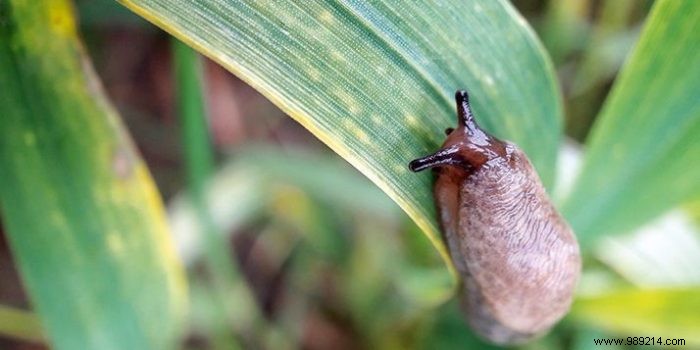
Slugs and snails can devastate gardens by devouring tender plants like lettuces and flowers, along with seedlings, fruits, roots, bulbs, and tubers. As seasoned gardeners with years of experience, we've seen how unchecked populations lead to significant losses—but effective, natural controls make all the difference.
Autumn signals the hatching of slug and snail eggs, thriving in wet weather that softens soil and boosts humidity. This is prime time to scout for clusters of eggs and act early.
When seedlings emerge, these pests strike fast. If numbers are low, proactive steps can keep them at bay:
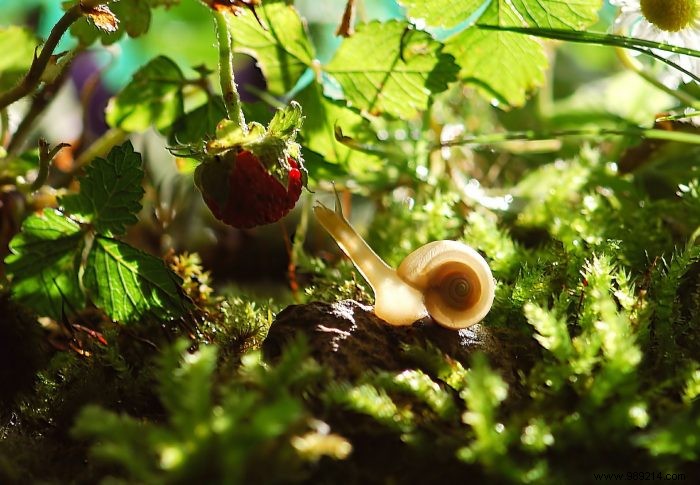
For heavier invasions, trusted organic methods minimize damage without harming your ecosystem:
Read: Do without pesticides—here are the natural alternatives
The most sustainable approach? Invite nature's allies like toads, hedgehogs, moles, frogs, and birds to patrol your garden.
Biological controls shine too: Nematodes—microscopic worms—parasitize and eliminate slugs humanely. Apply as a simple powder for reliable results.
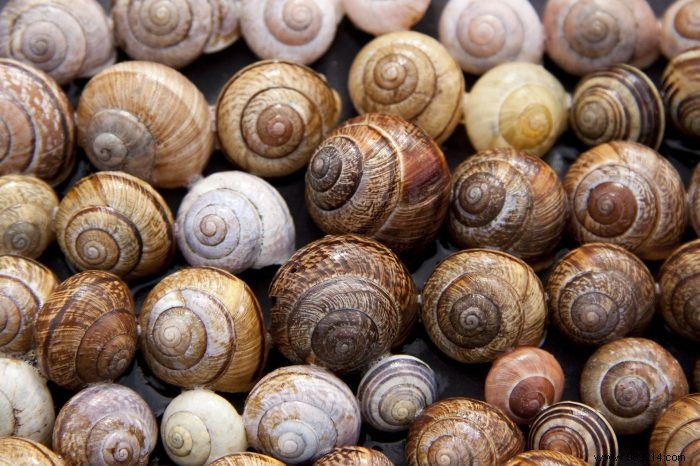
Ducks and chickens also excel at foraging slugs, providing dual benefits as garden helpers.
Granules based on ferramol (ferric phosphate) offer pet-safe, plant-friendly protection. They stop mucus production, immobilizing pests, and resist rain for lasting efficacy. Apply evenings post-rain for best results.
Scatter salt on paths to dehydrate invaders, or use coffee grounds near plants. Garlic and onion sprays repel slugs, snails, and other insects effectively, drawing from generations of gardening wisdom.
