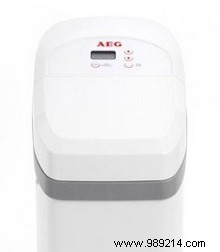
Effectively managing hard water requires a reliable water softener. Through a proven physicochemical process, it removes minerals that cause limescale buildup, protecting your plumbing and appliances from damage.
Water softening relies on ion exchange technology. Calcium and magnesium ions—the culprits behind limescale—are swapped for sodium ions as water flows through a bed of porous resin beads. This simple yet effective process delivers softer water for household use.
To determine if you need one, test your water hardness. Levels above 121 mg/L indicate a softener is advisable. Available models range from basic manual units (requiring manual brining, backwashing, and rinsing) to portable peripheral types needing professional cartridge changes. Semi-automatic options automate most functions except regeneration, while fully automatic systems offer top efficiency and user-friendliness.
A primary advantage is reduced limescale, which extends the lifespan of appliances, pipes, and boilers. Limescale buildup can raise temperatures beyond 60°C, accelerating wear—commercial descaling tablets help, but a softener prevents it at the source.
Beyond protection, softened water enhances everyday comfort. Detergents, shampoos, and soaps lather better and clean more effectively. Laundry feels softer, skin and hair benefit from reduced dryness, and dishes come out spotless without tartar deposits on enamel.
Water softeners aren't without downsides. Regeneration cycles consume significant water, discharging it into sewers to refresh the resin.
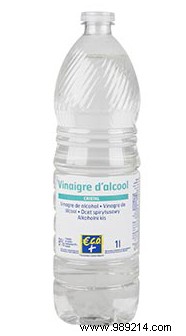
Resins can foster bacterial growth if not maintained regularly due to retained moisture. Softened water tastes salty and isn't ideal for infants or pregnant women—always keep an untreated water line accessible. For appliances like dishwashers and washers, a splash of white vinegar per load can prevent scale without a full softener.
Ultimately, while effective, softened water via these devices may not suit every home's needs.
