A divisive topic for consumers and experts alike, planned obsolescence sparks ongoing debate across industries. What exactly is this practice? What are its consequences? And what steps has legislation taken to address it?
Planned obsolescence refers to manufacturers' deliberate design choices that shorten product lifespans to encourage frequent replacements. As defined by ADEME, France's Environment and Energy Management Agency, it manifests in two key forms.
Psychological obsolescence occurs when products become outdated stylistically or technologically, no longer aligning with consumer desires for the latest innovations.
Functional obsolescence happens when devices fail prematurely or become unrepairable. In France, only 44% of faulty appliances are repaired annually. Manufacturers often undertrain repair staff, while complex designs and high spare parts costs make fixes uneconomical compared to buying new.
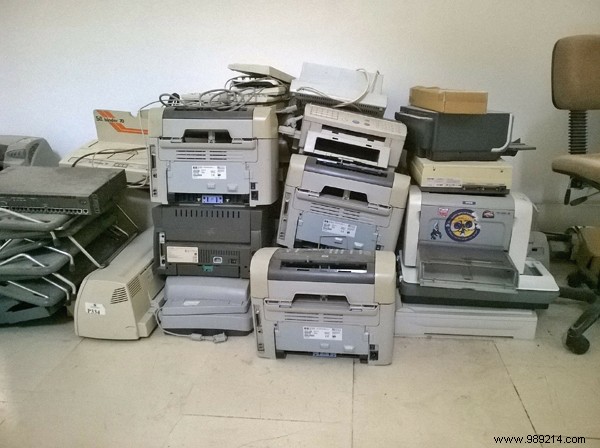
This practice has profound repercussions, especially for the environment. It fuels electronic waste overproduction, causing pollution and massive disposal costs. International agreements like the Basel Convention ban exporting e-waste to developing countries, yet violations persist.
For instance, in 2010, the German Federal Environment Agency reported 150,000 tons of e-waste shipped to developing nations. Disassembly releases toxins like mercury and lead, endangering unprotected workers—including children—in those regions.

France has taken a firm stance: since 2014, planned obsolescence is a criminal offense, punishable by up to 24 months in prison and €300,000 fines, as enacted by the National Assembly.
Prohibited actions include embedding counters or chips to artificially limit device lifespans. Past examples include non-replaceable batteries welded into mobile phones.
To empower consumers, the government enhances product information transparency. Complementary efforts include online repair-sharing platforms, eco-design principles, circular economy initiatives, and a push for greater product durability.
