With global warming accelerating, reducing energy use is essential. Heating accounts for about 40% of household energy consumption, making it a prime target for efficiency improvements. Manufacturers claim some electric heaters are more energy-efficient and cost-effective, but can they deliver on these promises?
Electricity prices have been climbing steadily. While nuclear power once kept costs low, today's environmental regulations demand major investments in safety upgrades for aging plants. This drives up production costs, reflected in higher bills. Relying heavily on electric appliances, including heaters, will only inflate your monthly expenses. Even without direct emissions, electricity isn't fully eco-friendly: uranium is mined and transported from afar, adding to the carbon footprint, and nuclear waste remains a unresolved environmental challenge.
To get the most from any electric heater, prioritize home insulation. Double-glazed windows, roof, and wall insulation trap heat effectively, cutting electricity needs across all heating types—whether electric, wood, oil, or solar.
Certain electric heaters stand out for economy. Intelligent models with sensors automatically adjust, turning on and off based on room temperature. Integrated with home automation, they detect occupancy: they power down when rooms are empty, run minimally during work hours, and preheat before your return. These systems maintain ideal temperatures—17-20°C depending on the room—for optimal comfort and savings.
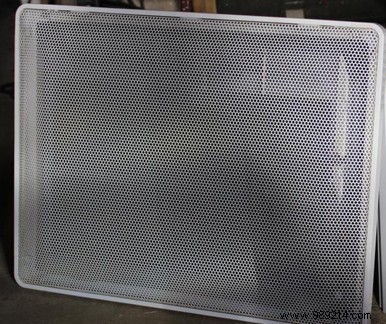
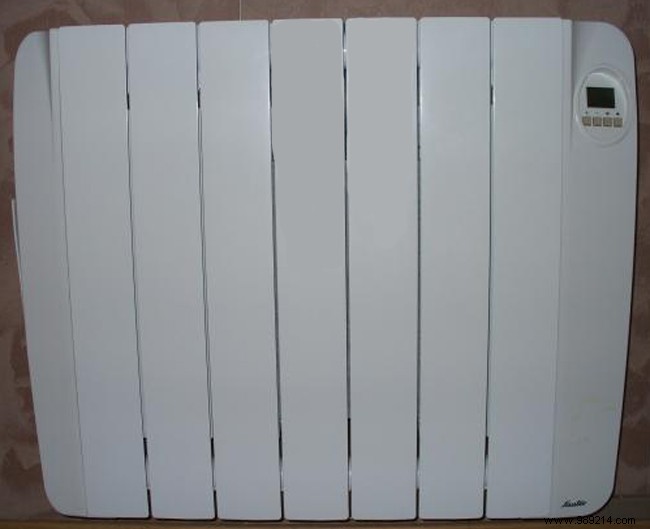 When shopping, don't fixate solely on wattage, like 1200W. Heat distribution matters more for consistent performance. Poor diffusion leads to uneven warmth, prompting overuse and up to 20% extra consumption—especially in larger spaces. Basic convectors, nicknamed 'toasters,' create hot spots near the unit but leave distant areas cold. Opt for inertial heaters instead, which provide steady, gentle heat throughout.
Ultimately, economical electric heating comes down to informed choices and responsible use. Enhance insulation, choose inertia models for better comfort and lower bills, and embrace smart regulation to avoid constant operation. While not the greenest option due to electricity's origins, these strategies can make electric heaters viable.
