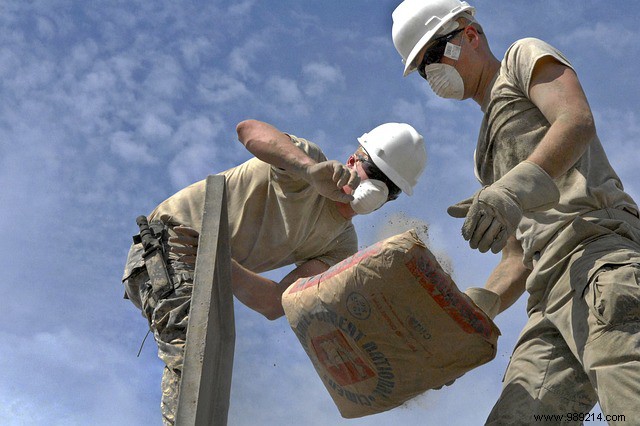
Pouring a concrete slab is a key step in construction projects, ensuring the long-term stability and strength of your floor or base. With the right preparation and techniques, even skilled DIYers can achieve professional results. We'll walk you through every stage based on proven methods used by experienced builders.
Concrete slabs form the backbone of floor renovations, new builds, garages, driveways, terraces, and even swimming pool bases. They act as a load-bearing surface, sealing foundations and providing ground stability. Composed of gravel, water, sand, and cement—often with added insulators or water repellents—these slabs come in varieties like standard slabs for lighter loads, reinforced slabs with steel rebar for enhanced strength, and modular slabs for terraces or garden paths.
Start by excavating the site using a machine or shovel, then fill the area with sand, gravel, and rubble for a solid base. Compact the soil thoroughly with a plate compactor or hand tamper. To prevent weed growth beneath, lay a geotextile fabric.
Next, construct formwork from sawn boards sized to your slab dimensions. Secure them with ground stakes, which you'll remove after the concrete sets.
For added reinforcement, install steel mesh—available at hardware stores. Elevate it slightly on spacers to ensure it integrates fully into the slab.
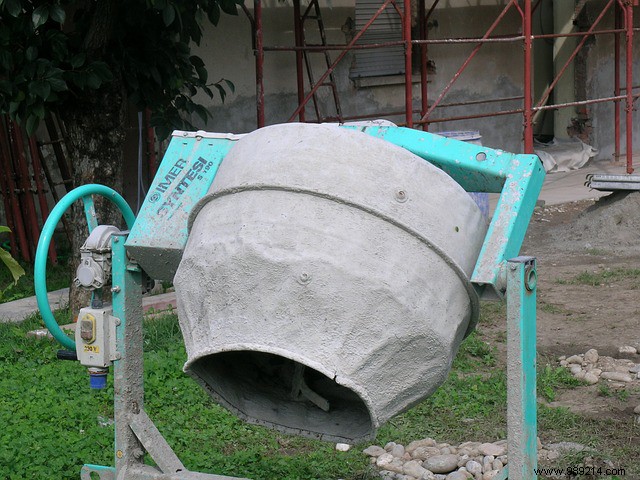
Mix concrete by hand or with a mixer. For manual mixing, combine 1 part cement, 2 parts sand, and 3 parts gravel in a wheelbarrow, blending with a shovel before gradually adding water to form a smooth, workable paste. With a mixer, add water first, then pre-mixed concrete, and run at a 20° tilt until consistent.
Pour the mix into the formwork and spread evenly with a rake. Level the surface using a 2-meter straightedge, pulling it toward you in a sawing motion while adding more concrete as needed. Finish with a trowel, using circular sweeps for a smooth, flat surface. Remove formwork after 24 hours. Allow 1-2 months for full curing.
Finally, apply your chosen finish or coating for an appealing, protective top layer.
