Protecting your vehicle from theft, damage, or harsh weather is a smart move for homeowners with detached houses and land. With the rise in self-build projects, you can construct your garage confidently using these proven tips from seasoned builders.
Start with essential administrative steps. For garages under 20m², file a prior declaration of works at your local town hall. Begin early, as approvals take time. Larger garages over 20m² require a full building permit, including site descriptions, photos of the land and surroundings, and detailed plans.
Create the plan early using DIY software, hand-drawing, or an architect if preferred—though not required for modest projects.
Next, select the site and garage type: Buried models maximize space but demand excavation, retaining walls, and ramps. Semi-buried options suit slopes, skipping ramps and allowing roof terraces. Attached garages provide house-direct access. Detached ones avoid fumes and noise.
Metal garages top the list for practicality and affordability. Quick to assemble with minimal tools or skills—ideal for beginners. Corrosion-resistant treatments eliminate maintenance, and low costs suit tight budgets. The downside: a more industrial look.
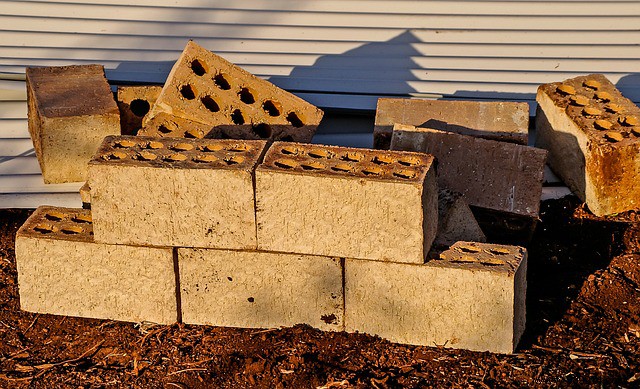
For modern aesthetics and strength, choose brick, aerated concrete, or poured concrete. These withstand time and elements but require masonry expertise and solid foundations.
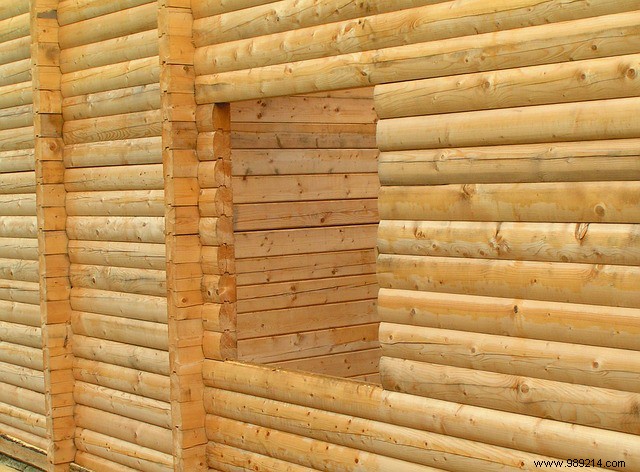
Wood appeals to natural material fans, offering warm elegance that blends into gardens with stains or paints. Robust and low-maintenance, it needs a concrete base for stability.
Begin with earthworks to stabilize the ground, prevent shifts, and level the base. Hire pros with machinery for best results.
Source materials next. Pro tip: Bulk-buy tools and supplies for big savings.
With materials ready, pour foundations, install drainage to block water ingress, and lay electrical conduits for outlets. After the concrete slab sets, erect walls.
Add exterior insulation to avoid exhaust buildup. Frame the roof next, then finish with fittings and the door—options include sectional, hinged, rolling, or folding.
Prefabs are surging in popularity for their ease and value. Delivered as modular kits in steel, wood, concrete, or aluminum, they offer customizable sizes, shapes, paints, insulation, and reinforcements.
Prices range from €2,000 to €15,000 based on materials, features, and size.
Get quotes for accurate pricing, factoring in site, size, materials, fittings, doors, and labor. A traditional cinder block garage runs about €500/m²; buried or semi-buried models around €700/m².
