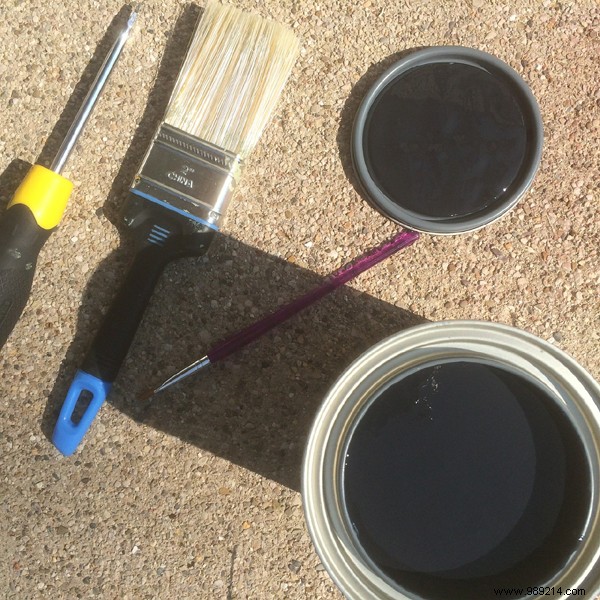
When your windows are structurally sound but looking dated, or you're not ready for full replacement, repainting is an effective, budget-friendly refresh. As a seasoned home improvement specialist with years of hands-on experience, I've seen firsthand how a fresh coat transforms exteriors.
Modern PVC sliding windows offer excellent protection and insulation. For aluminum frames too, repainting delivers a stunning facelift. The results—a vibrant facade with new shutters—can dramatically enhance your home's curb appeal.
Absolutely, with paints formulated for plastics, widely available at hardware stores. For smooth, professional finishes, opt for alkyd (glycero) paint, though it has a strong odor and longer drying time. Acrylic paint is odorless and quick-drying but yields less refined results. Choose based on your priorities.
Proper preparation ensures adhesion: thoroughly clean surfaces and apply a dedicated primer. Use short-bristle brushes to avoid embedded hairs. Once the primer dries fully, lightly sand for a porous texture ideal for topcoats. Dry in a dust-free, sheltered area.
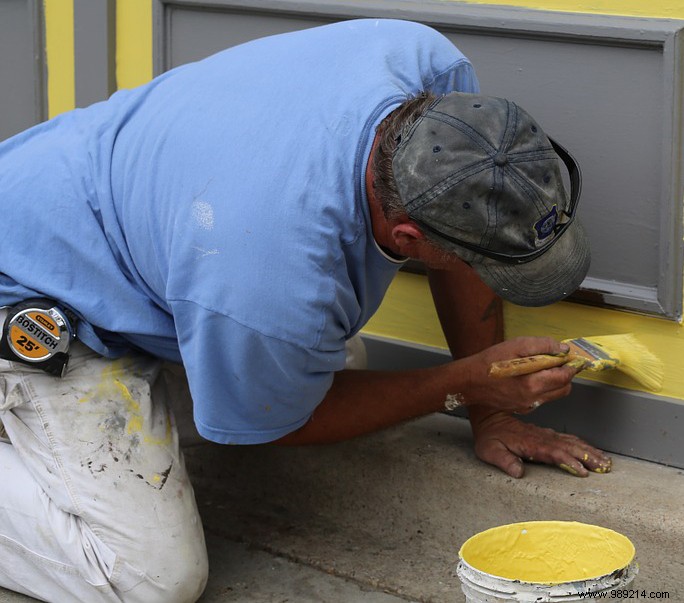
Remove windows for easier access and mask hardware with painter's tape to prevent dried paint buildup. Wood demands weather-resistant finishes to withstand the elements.
To retain wood's natural tone, stain or varnish excels—stain resists flaking for easy upkeep, while varnish adds shine. For paint like polyurethane, start by sanding with fine-grit paper and a wire brush to strip grease, old paint, and imperfections.
Fill cracks with wood putty, dry, then sand smooth. Wipe away dust with a damp cloth and apply primer. Paint in the direction of the grain, touching up only dry areas. Done right, this lasts 3-4 years or longer. Prolong it by shading windows from intense summer sun with closed shutters.
