Even with rigorous hygiene practices, household pests can invade your home, frustrating residents without indicating poor sanitation. These intruders range from benign creatures to aggressive pests that damage property and trigger allergies.

Tailor your approach based on your living situation: individual house or multi-unit building. In apartments or condos, infestations often spread across units, requiring coordination with landlords or property management. Homeowners handle pest control independently.
Crawling insects top the list of home invaders due to their rapid reproduction, disease transmission, and destruction of food and materials.
Cockroaches thrive in warm, humid spots, feeding on food scraps. They multiply quickly and spread through buildings via garbage chutes and pipes.
Prevention starts with eliminating crumbs and moisture sources. For buildings, whole-structure treatment ensures lasting results.
Fleas, small wingless insects, jump using powerful front legs to move between pets and humans for blood meals. Eggs scatter widely, favoring carpets, sofas, and pet bedding.
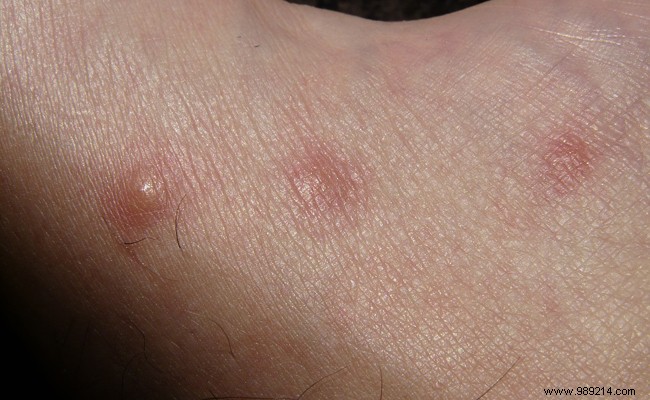
Red, itchy bumps on legs and feet signal flea bites. Treat pets, vacuum thoroughly, wash fabrics, and apply insecticides—or hire professionals for severe cases.
Bed bugs hide in warm, dry areas near beds like mattress seams, headboards, and cracks, emerging at night to bite sleepers and lay eggs.
Targeted insecticides are essential to eradicate these disruptive pests and restore peaceful sleep.
The bread beetle infests unsealed cereal packages: discard affected items and store dry goods in airtight containers going forward.
Ants nest in wall cracks or behind baseboards, drawn to sweets. Bait stations offer effective control.
Flying pests include clothes moths, repelled by lavender sachets in closets. Flies vanish with proper food storage and spotless hygiene, especially in bathrooms. Mosquitoes bite in humid summers; cover skin and use aromatic herbs as natural repellents.
Transient visitors like woodlice, silverfish, spiders, earwigs, or weevils often linger near plants—no major concern. For mice, though not insects, use traps to capture them.
