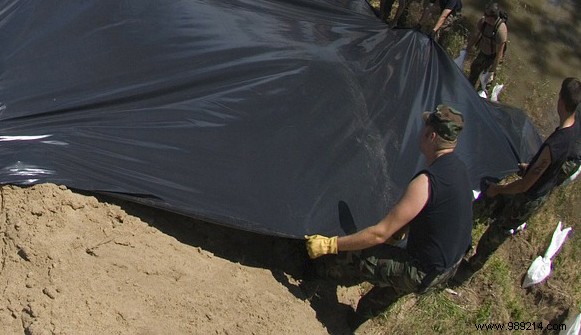
Geotextile felt and polyane film extend far beyond civil engineering and construction—they're invaluable in gardening too. As seasoned landscapers and DIY experts know, these durable materials offer reliable protection and functionality for home and garden use.
Even if you're not in construction, polyane film—primarily made from impermeable polyethylene plastic—is a staple for preventing moisture issues. It blocks room humidity from seeping through floors, especially under floating floors or parquet, requiring a minimum thickness of 150 µm.
This makes it ideal for damp areas like bathrooms. On job sites, it shields facades, floors, and walls from paint splatters and debris. Homeowners increasingly rely on it too: for protecting furniture, decor, and floors during painting (45 µm thickness suffices), or safeguarding attic and storage items from dust.
Gardeners appreciate it as a greenhouse cover. For optimal thermal retention—capturing UV rays by day and releasing heat at night—opt for 200 µm thickness to achieve the greenhouse effect.
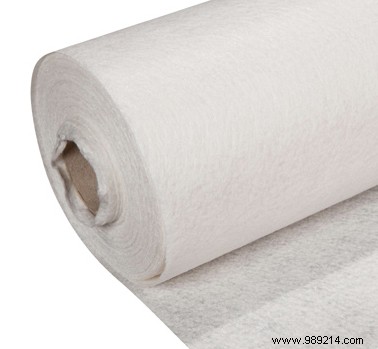
Sold in rolls at DIY stores, geotextile felt (often called Bidim) is a milky-white polypropylene fabric with exceptional rot, tear, and puncture resistance. While synthetic versions dominate, eco-friendly alternatives from jute or coconut fiber are gaining popularity due to biodegradability concerns. Available woven or non-woven, it's highly permeable to water yet incredibly durable—nearly impossible to cut without sharp tools.
In civil engineering, it's crucial for road, highway, and railway foundations, separating materials like gravel and sand during earthworks.
For gardens, it's a game-changer: line flowerbeds to control invasive roots from mint or bamboo, eliminate weeding by preventing weed regrowth under soil, pebbles, or mulch. Perfect for gravel paths and low-maintenance landscapes.
