Modern LCD projectors have evolved far beyond outdated rear-projection or slide models, delivering sharp, detailed images with superior color saturation compared to DLP projectors. They're also energy-efficient, helping you save on power while enjoying immersive viewing. How to Set Up a Projection-Based Home Theater Step by Step Nothing beats the big-screen thrill for movies and gaming, though home theater setups can vary by budget. Read More.
The advantages of LCD technology shine in home theaters, but careful selection is key to avoid overspending on unneeded features.
Start by assessing your available space and lighting. These dictate the projector's required specs. For weekend TV replacement in a sunny living room, prioritize brightness for ambient light. In a dark basement cinema, contrast takes precedence.
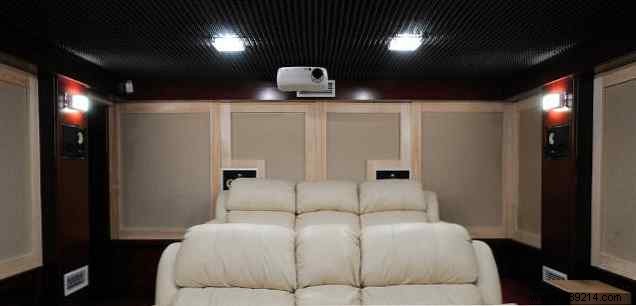
Limited living room space means a smaller screen, while basements allow larger ones—ensuring your projector can project a sharp, vibrant image across it. Placement matters too: shelf-mounted, ceiling/wall-mounted, or portable?
With these basics covered, dive into specs.
Your surface choice—wall or screen—impacts quality more than you might think.
White surfaces mimic a blank canvas for accurate colors but struggle with blown-out highlights or deep blacks under bright bulbs.
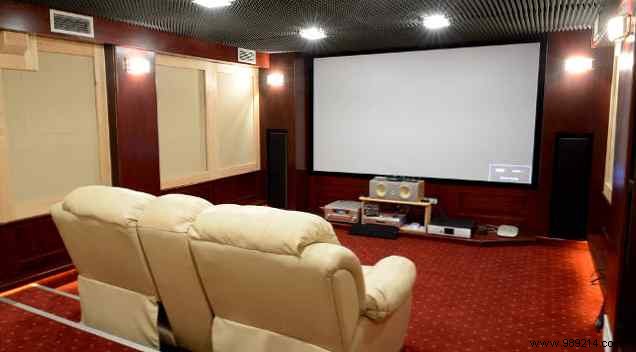
Black excels at preserving dark tones in bright environments by absorbing excess light. For versatility, choose gray: it balances highlights and shadows for optimal contrast. Darker gray pairs best with brighter projectors.
Matte or glossy? Glossy reflects light for sharper images but causes glare. Matte minimizes hotspots, slightly softening sharpness and saturation—but for home theaters, its glare reduction wins out.
Aspect Ratio: Match your primary source—4:3 standard or 16:9 widescreen (ideal for laptops or TVs).
Resolution: 720p (1280x720) suits most DVDs affordably. 1080p (1920x1080) excels with matching sources but costs more. For casual home use, 720p suffices; upscale 1080p sources downscale to fit. Larger screens amplify resolution limits; small ones hide them.

Throw Ratio: Ratio of projector-to-surface distance vs. image width (e.g., 2:1 doubles distance for 1-unit width growth). Ensure it fills your screen from its position.
Contrast Ratio: Defines brightest white to darkest black (e.g., 1000:1). Higher yields deeper blacks and vivid images. Aim for 500:1 minimum; modern models hit 10,000:1 affordably. Crucial in lit rooms, less so in darkness.
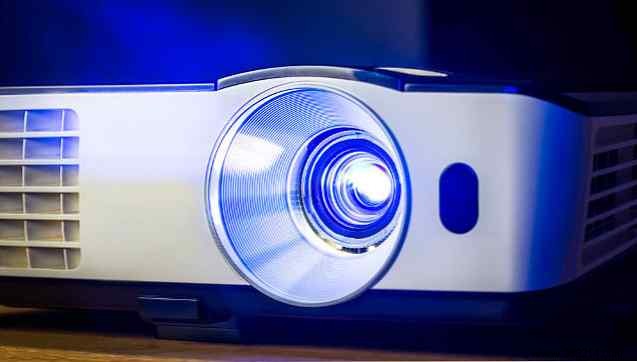
Brightness: Measured in ANSI lumens—not always 'more is better,' as excess strains eyes. Top 9 Tips to Combat Computer Eye Strain Target 1,250+ lumens for dark rooms, 2,000+ for brighter ones.
Lamp Life: Traditional lamps last 1,000-5,000 hours; LED up to 20,000+. LEDs are efficient, instant-on, and last ~13.7 years at 4 hours daily.
Modern projectors offer versatile connectivity. What Are the Different Types of Computer Cables?
VGA/DVI for video-only; HDMI/DisplayPort for audio+video (HDMI ubiquitous). Skip outdated VGA/DVI unless necessary. Among options like VGA, DVI, HDMI Differences, HDMI reigns for simplicity and cost—never pay over $10 per cable. Why Never Spend More Than $10 on HDMI
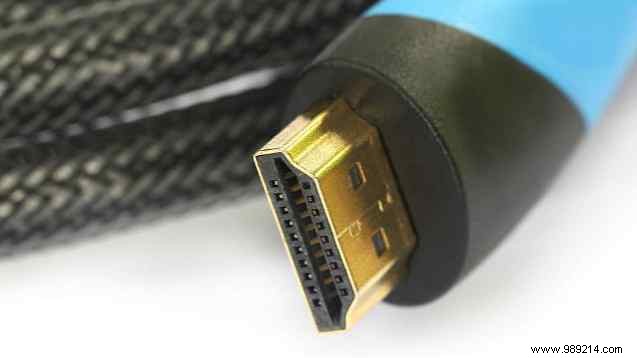
Epson-like brands offer wireless HDMI for cable-free setups. Some support USB playback (BMP, PNG, JPG, GIF).
Prioritize 720p+, 500:1+ contrast, LED lamp, and HDMI for 95% of setups. Fine-tune others for peak performance.
Share your home theater builds below! Any setup challenges? What would you change?
