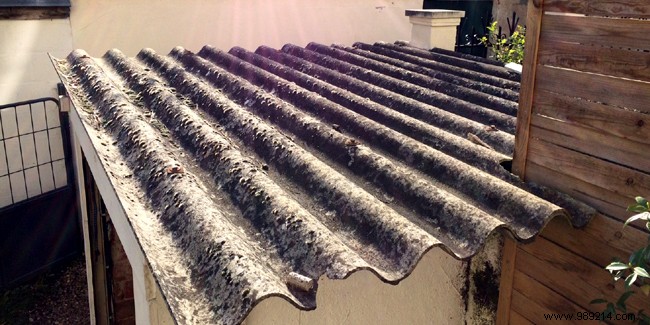
The word "asbestos" often evokes fear, and for good reason—it's linked to serious health issues, including cancer. Many older homes still contain asbestos-containing materials, like fiber cement sheets used for roofing insulation until its ban in 1997. Removing these hazardous materials is essential, but it must be done correctly. Here's how.
Numerous pre-1990 buildings feature roofs made of asbestos fiber cement sheets. Experts strongly recommend replacing them before they degrade and release fibers. Full removal is required if sheets are crumbling. Alternatively, encapsulation with elastomeric bitumen can seal the asbestos, followed by protective panels on top. This cost-effective option works if your roof is stable, avoiding the expense of complete replacement.
Never attempt DIY asbestos removal—it's illegal and dangerous. Only certified professionals, regulated under Decree No. 2012-639 of May 4, 2012, can handle removal or even simple encapsulation. Strict controls apply: notify your local municipality and follow all administrative procedures to track treated materials properly.
Due to its toxicity, asbestos cannot go to standard recycling centers. Certified pros must manage disposal, transporting sheets to specialized treatment facilities. Collection services are available, though costs add up. Prioritizing safety makes it worthwhile.
If storing removed sheets temporarily, bundle them securely and cover with heavy-duty tarps. Keep storage areas distant from living spaces and sheltered from wind to prevent fiber dispersal.
Once common, these sheets now pose a proven public health threat. Wind and rain release fibers that target the lungs, contributing to cancers. Authorities aim for complete phase-out soon; sales are already banned. Avoid DIY solutions—entrust professionals for safe, compliant removal.
