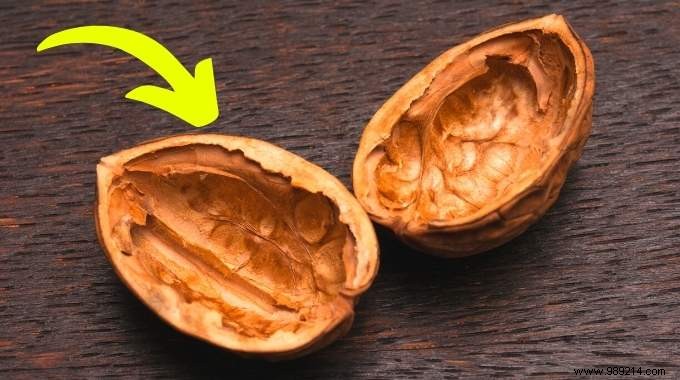
After enjoying walnuts and hazelnuts, don't toss those shells—they're packed with potential. As a seasoned gardener with years of hands-on experience, I've discovered how these nutrient-rich treasures (loaded with vitamin E, magnesium, and phosphorus) can enrich your soil, beautify your space, and more. Here's 7 practical uses for walnut and hazelnut shells in the garden and home.
 Contents
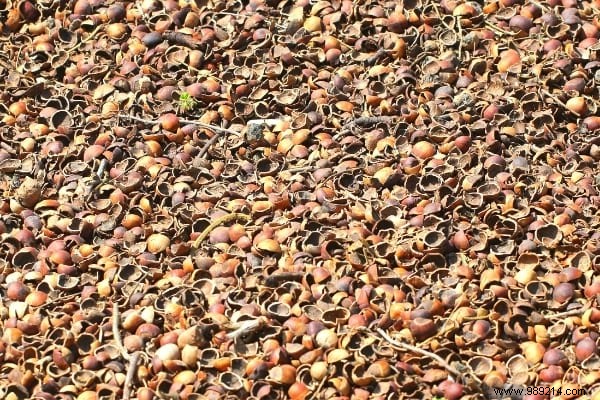
Walnut and hazelnut shells make an excellent natural mulch. Like straw or wood shavings, they suppress weeds effectively. Scattered around plants, they look attractive while regulating soil moisture for healthier growth.
Skip clay balls or pebbles for drainage—instead, crush walnut and hazelnut shells and layer them at the pot's base. They promote proper water flow, preventing stagnation and root rot while retaining just enough moisture.
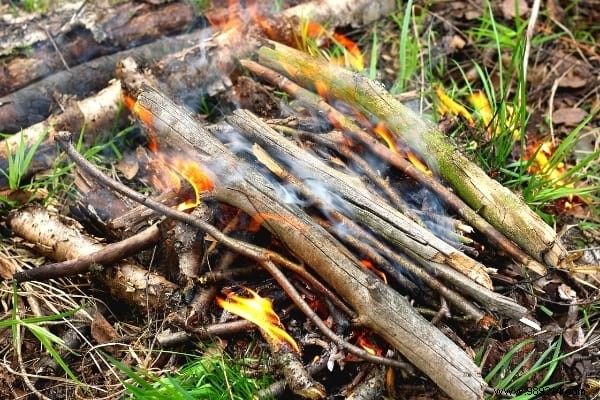
Ditch chemical fire starters. Walnut and hazelnut shells ignite reliably using the reverse ignition method: stack logs first, top with shells, and light. It catches fast, burns clean with minimal smoke, and is eco-friendly.
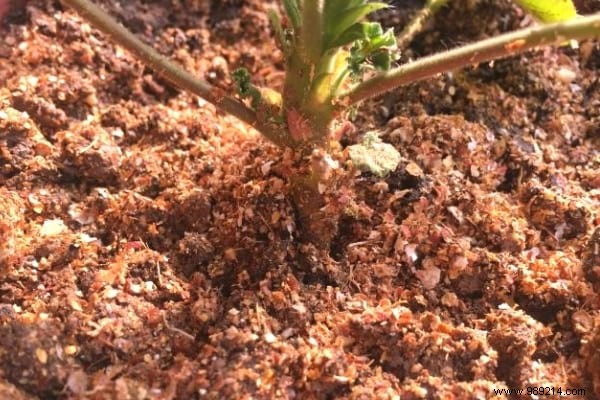
To improve heavy soil drainage, blend in crushed walnut and hazelnut shells. Combine thoroughly with compost to avoid clumping and ensure even aeration for thriving plants.
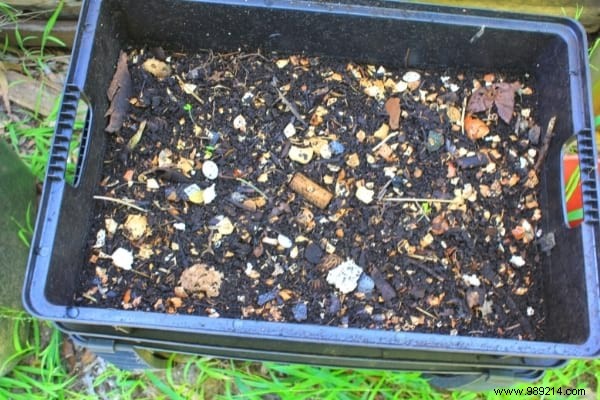
Add crushed walnut and hazelnut shells to your compost bin alongside other organics. Grinding them finely speeds decomposition, and their natural composition boosts nutrient content for richer compost.
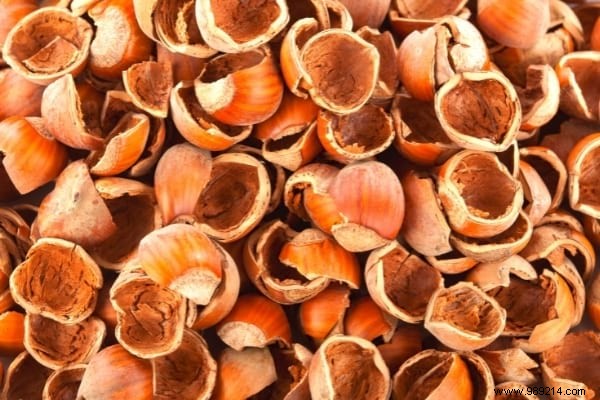
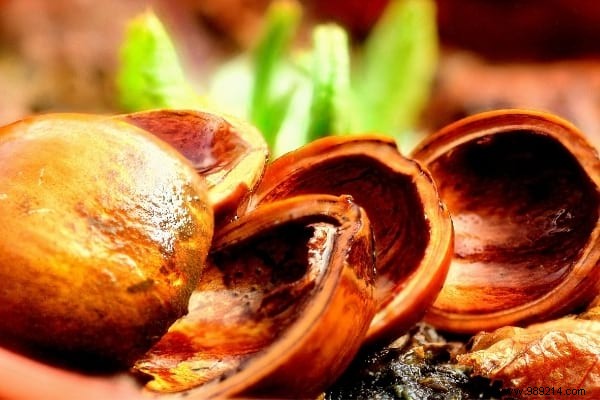
Scatter shells around your garden to create cozy winter refuges for beneficial insects like ladybugs. This simple step supports biodiversity, helping maintain a balanced, pest-resistant ecosystem.
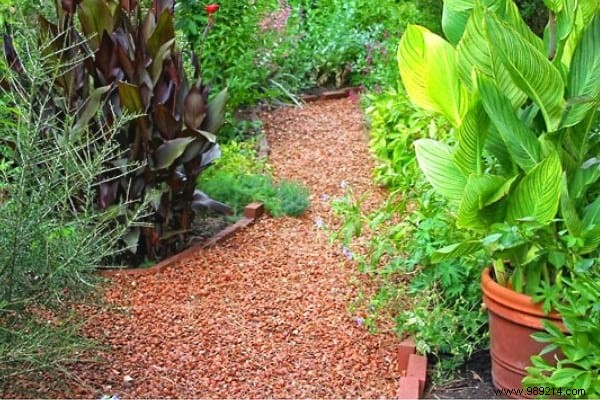
For a unique, budget-friendly path covering, crush and spread walnut and hazelnut shells instead of gravel. They provide an attractive, crunchy texture underfoot—original, sustainable, and satisfying to walk on.

On rainy afternoons, gather shells, paint, and glue for kid-friendly crafts. Let imaginations run wild creating characters—it's a fun, low-cost way to spark creativity and teach recycling.
