Electricity powers nearly every aspect of modern life—from lighting our homes to charging devices. If you're exploring ways to generate your own clean energy, reduce reliance on utility companies, save money, and go greener, solar photovoltaic (PV) systems offer a reliable path forward. With the sun as a free, abundant resource, solar power is more viable than ever. In this guide, drawn from extensive experience in renewable energy installations, we'll break down the five main types of solar electric home systems, their components, costs, pros, and cons to help you select the best fit.
Solar hasn't dominated the market yet due to upfront costs and infrastructure needs, but prices have plummeted, and incentives make it accessible. A full system might cost $30,000–$40,000, but as we'll show, smart choices and rebates can halve that.
DMSOLAR - 7,500 Watt Complete PV System (Only $2.24/W!!) Buy Now On Amazon $16,718.00
Start by evaluating your goals: saving money, energy independence, environmental impact, or reliability during outages? Prioritize low-maintenance setups if you prefer a 'set it and forget it' system. Consider aesthetics—do you need discreet panels to comply with HOA rules? Discuss with family, as it impacts daily life.
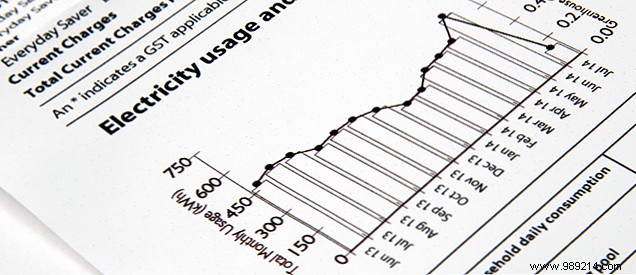
Review your utility bills for annual usage (e.g., 7,400 kWh/year at $1,036 in our 1,600 sq ft Massachusetts example home), peak months, and off-grid duration needs. Use spreadsheets to model scenarios.


All systems share core parts: solar panels converting sunlight to DC electricity, mounts (roof or ground, including trackers), inverters (DC to AC, grid sync, charge control), batteries (for backups), disconnect switches, wiring, and fuses.
Renogy 100W Polycrystalline PV Solar Panel Module Buy Now On Amazon $109.99
Grape Solar GS-5300-R-ASD Direct Mount Rack Mount System for Twenty 60 Cell Solar PV Panels, Asphalt Shingle Buy Now On Amazon $3,485.06
Magnum Energy MS4448PAE MS-PAE Series 4400W 48VDC Pure Sine Inverter Charger; Provides multiple ports, including an RS485 communication port for network expansion, and a remote port Buy Now On Amazon $1,815.16
Mighty Max Battery 12V 100AH DEEP Cycle VRLA Solar Wind Battery 12V 24V 48V Brand Product Buy Now On Amazon $174.99
MidNite Solar PV Disconnect Combiner MNPV6 Buy Now On Amazon $172.51
Ideal for remote homes where grid extension costs $5–$10 per foot. Suited for energy-conscious users who've maximized efficiency.
Pros: No bills, outages, or grid dependence. Cons: Lifestyle adjustments; outages during failures.
Panels, charge controller, inverter, batteries. Largest/most expensive (~$45,000 or $6/W for example home) due to full reliance on sun.
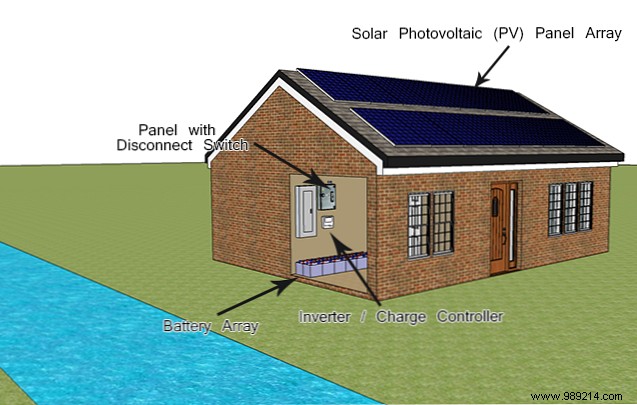
Pros: Total independence, low maintenance. Cons: High cost, long payback, sun-dependent.
Adds wind ($3/W), micro-hydro ($2/W), or generators for reliability. Example: $30,000 total.
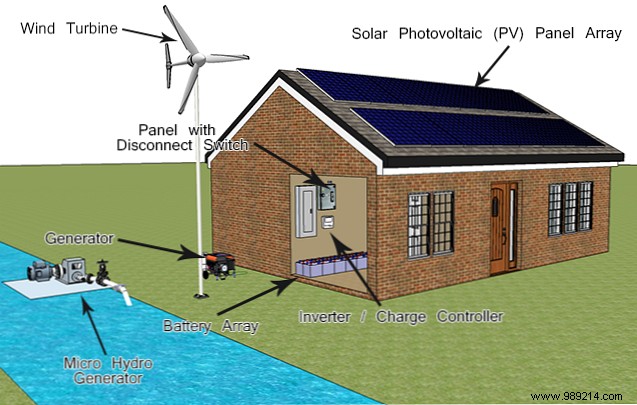
ALEKO WG3KW48VSET Wind Generator Set Turbine Charge Controller and Inverter Green Renewable Energy Buy Now On Amazon $2,469.99
DuroMax XP10000E, 8,000 Running Watts / 10,000 Starting Watts, Gas Portable Generator Buy Now On Amazon $929.95
Briggs &Stratton 40450 10000 Watt Home Standby Generator System with 200 Amp Automatic Transfer Switch Shop Now On Amazon $2,999.00
Pros: Cheaper, reliable power. Cons: More maintenance, permits.
Focus: savings via net metering/feed-in tariffs. Environmentally friendly with unlimited backup.
Pros: No habit changes, potential profit. Cons: Grid dependent.
Like off-grid PV but grid-synced. $27,000–$40,000; 6–48 hours backup.
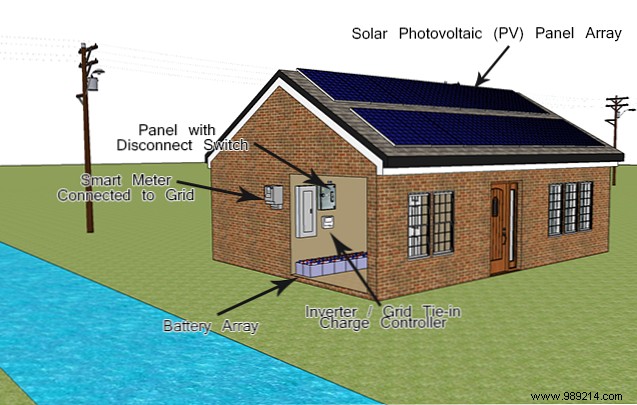
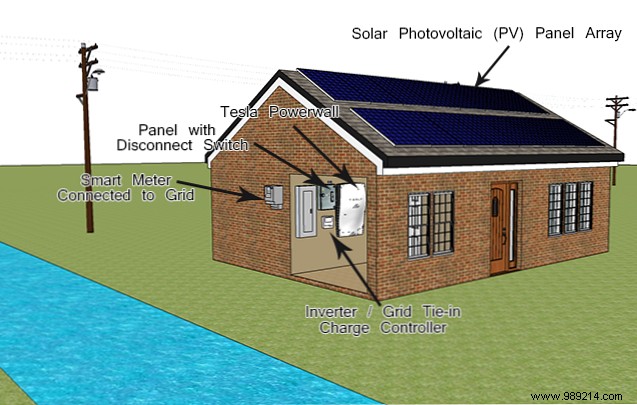
Pros: Strong backup. Cons: Costly, space-intensive.
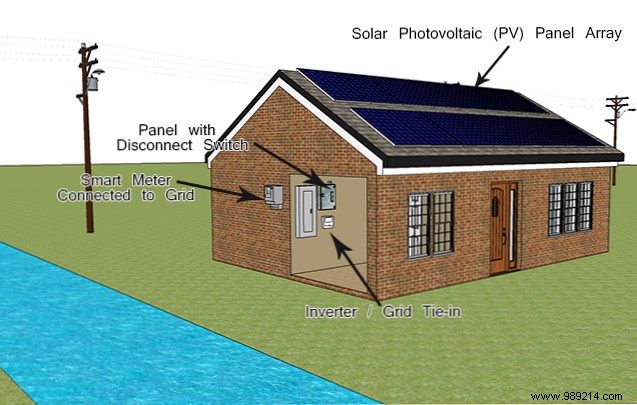
Cheapest full-home (~$32,000). Expandable.
Goal Zero Yeti 1250 Solar Generator Kit with Boulder 30 Solar Panels Buy Now on Amazon
Pros: Affordable, low maintenance. Cons: No outage protection.
Adds generators for backup. Balances cost/uptime.
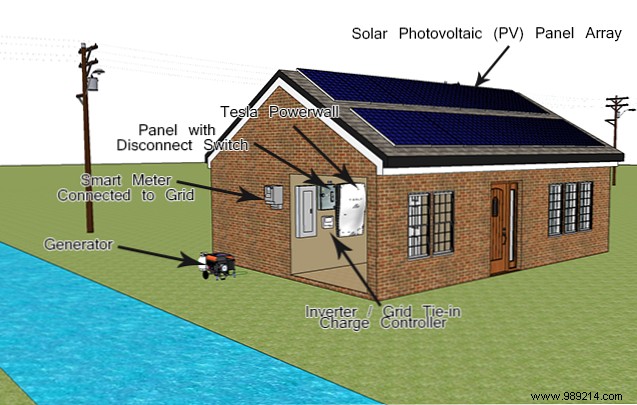
Pros: Reliable, cost-effective. Cons: Noise, maintenance.
Incentives slash costs: 30% federal tax credit (pre-2020), state rebates (e.g., MA net metering to $0 bill, tax exemptions/credits). Example: $32,000 system drops to $22,300. Payback ~12 years at 3.15% energy inflation; 20–30 year lifespan yields big savings.
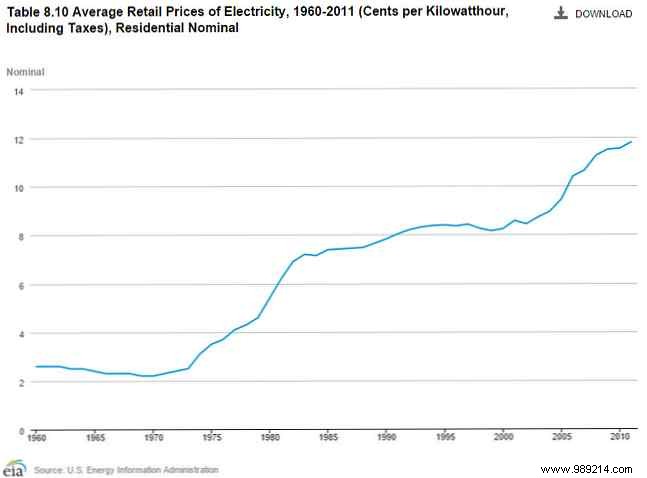
Start small (grid-tied PV) and scale. Adapt as needs change. With falling costs and rising utility rates, solar is inevitable—focus on how to implement.
