Ready to invest in solar panels? That's a smart move toward energy independence and lower bills. But with thousands of options available, it's easy to make costly errors. Home solar systems are far more complex than portable kits, so proper planning is essential. Here are seven common pitfalls to steer clear of, based on years of guiding homeowners through successful installations.
Preparation is key before purchasing and installing solar panels. The adage "measure twice, cut once" has never been more relevant—these systems are a significant investment, and mistakes lead to inefficiency or failure.
Ask these essential questions upfront:
These answers will clarify if solar is feasible for your home. If not, it's okay to wait for a better fit.
You don't need a PhD in physics to benefit from solar, but basic knowledge prevents future headaches. Focus on two areas: solar PV systems and panel specifications.
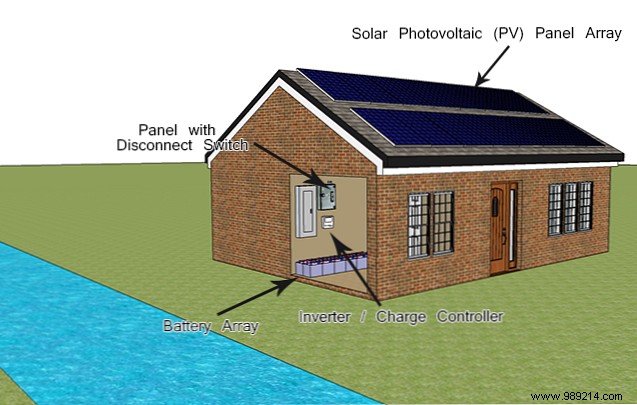
Solar PV systems come on-grid (simpler, connected to utility) or off-grid. Understand components like panels, inverters, and batteries. For specs, learn terms like cell type, power rating at STC, tolerance, efficiency, and guarantees.
A modern home typically needs a 2 kW system ($15,000–$20,000 installed) for efficient use or 5 kW ($30,000–$45,000) for average consumption. These are pre-incentive costs, but don't cut corners.

Cheap often means poor quality. "You get what you pay for" holds true. Compare quotes from multiple reputable providers to gauge fair pricing and negotiate. Research vendor experience and explore financing—no need for full upfront payment.
Mixing parts from different manufacturers to save money rarely pays off. Systems are engineered for compatibility, often with specific brands.

Savings are minimal upfront, but you risk reduced efficiency, frequent maintenance, or total failure. Stick to matched systems for reliability.
Base costs range $15,000–$30,000, but incentives slash that. Federal tax credits, state rebates, and utility programs can cut 30% or more.
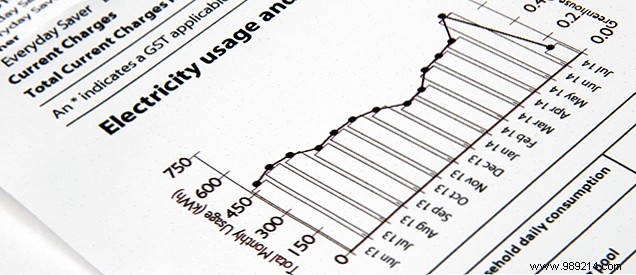
The U.S. government and utilities encourage solar adoption—research local options to maximize savings.
Warranty length signals manufacturer confidence. Scrutinize coverage: product warranties (often 10 years) vs. performance warranties (25 years).
Ask exactly what’s covered and for how long—don’t settle for vague promises.
Skilled DIYers with roofing, wiring, and electrical expertise might manage, but most shouldn’t.

Errors during installation can be dangerous and void warranties. Hire certified professionals or your provider’s team—inexperienced help is as risky as going solo.
Thousands of homeowners have succeeded by researching thoroughly, choosing quality, and partnering with experts. If solar isn’t ideal now, start small with solar generators or lights to cut your carbon footprint.
Thoughts on solar? Share your experiences in the comments!
