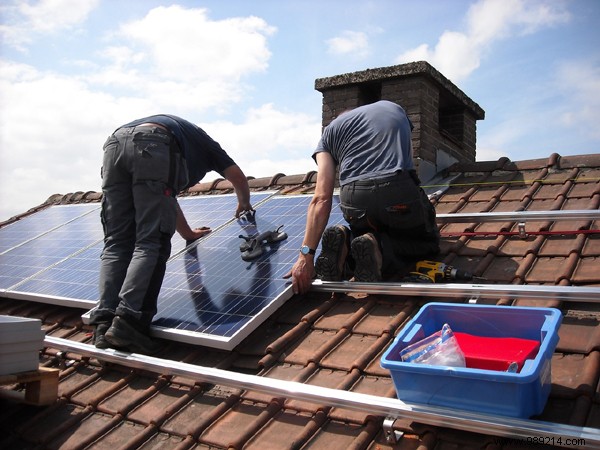
Who doesn't dream of tapping into free solar energy? Before investing in photovoltaic panels, it's crucial to assess the true profitability of such a system based on real-world factors.
Photovoltaic panels draw massive interest thanks to bold manufacturer claims. But what's the actual return? As renewable energy specialists, we've evaluated the benefits and costs for homeowners.
The surge in green energy adoption and low-carbon initiatives has boosted solar panels' appeal. However, high installation costs—coupled with scaled-back tax incentives—prompt valid questions about ROI. Profitability varies by household energy use, location, and sunlight exposure. For some, it's a smart investment; for others, less so.
Let's crunch the numbers with a practical example: a couple needing 3 kWp capacity. Installation costs around €11,000 (2015 estimate), plus up to €1,000 for grid connection. Annual earnings from selling excess power to EDF: €1,200. This yields a payback in roughly 10 years.
To maximize returns, select panels suited to your roof space, power needs, and budget. Three primary options stand out:
Amorphous panels are budget-friendly but deliver low output, making them unsuitable for most rooftop residential setups.
Polycrystalline panels offer solid performance at 145 Wp per m²—ideal for systems from 3 to 9 kWp.
Monocrystalline panels command a premium but excel with up to 155 Wp/m² efficiency.
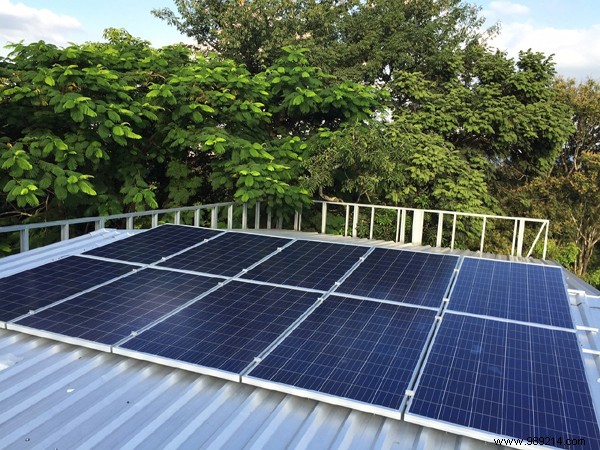
For faster payback, consider aerovoltaics—a proven hybrid that merges photovoltaic electricity with thermal solar heating. This dual-sided system delivers four key benefits.
It boosts electricity yield by up to 10% while slashing heating costs by 50% through heat recovery from under the panels. Your home enjoys winter warmth, summer cooling via ventilation, and purified air. Plus, it's eligible for tax credits since 2015, accelerating ROI.
