 Whether you're maintaining a healthy weight or shedding extra pounds, consistent tracking is key to success. Manual logging often derails even the best intentions—launching apps or scribbling notes can kill momentum.
Enter the Fitbit Aria Wi-Fi Smart Scale: it automatically syncs your stats via Wi-Fi, freeing you to focus on your workouts. We gave away a Fitbit Aria—read our full review below, though the contest has ended.
Priced at $129.95, the Aria supports up to 8 users. Its main rival, the $150 Withings WS-50 Smart Body Analyzer, also handles 8 users but adds air quality and temperature monitoring for better sleep (though placing it in your bedroom feels odd).
The Aria excels at precise weight tracking and seamless syncing via Fitbit's platform, as detailed in our Fitbit One review. It automatically recognizes users by weight differences. For my wife and me, it's spot-on; with larger families up to 8 users, overlaps may occur. In those cases, select the correct profile from the scale and step off while it processes.
Adding users requires the app or website—no onboard setup. Rarely, it misidentifies (e.g., logging my wife as a guest), but you can correct this via Fitbit's online dashboard.
Expect minor fluctuations (0.1-0.5kg) even minute-to-minute on a flat, non-carpeted surface. Fine for most, but not for athletes needing lab-grade precision.
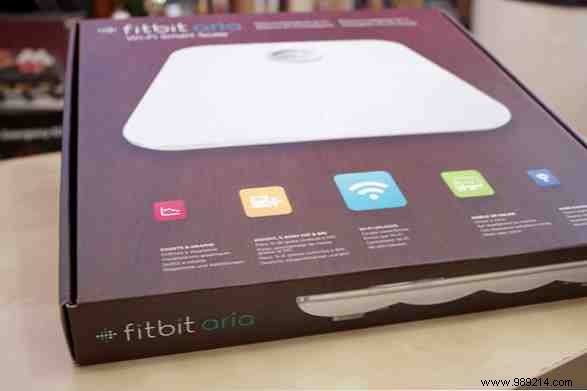
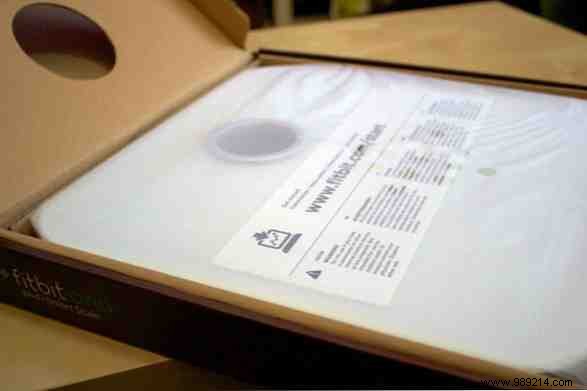
The compact box cradles the scale securely. It includes a quick-start guide and 4 pre-installed AA batteries (pull the tab to activate). No extras needed.
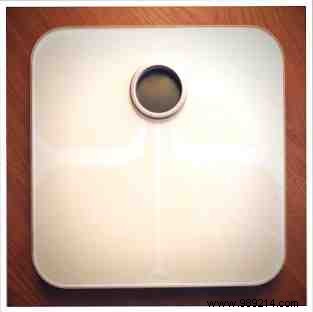
The white Aria (black option available) blends seamlessly into bathrooms with rounded edges for safety. Its tempered glass platform houses a crisp LCD that glows blue on activation.
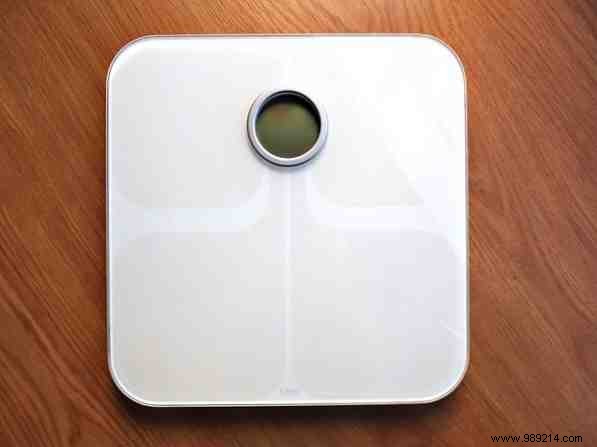
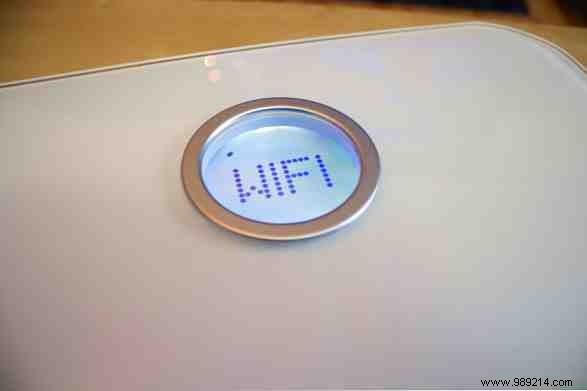
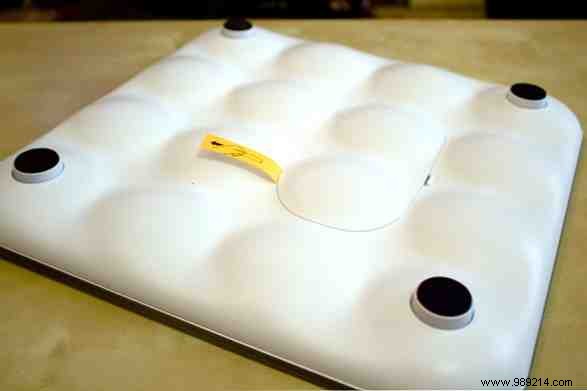
Gray text on blue backlight shows full weights and 3-initial user IDs; longer messages scroll smoothly. The base features subtle bubble grips for stability.
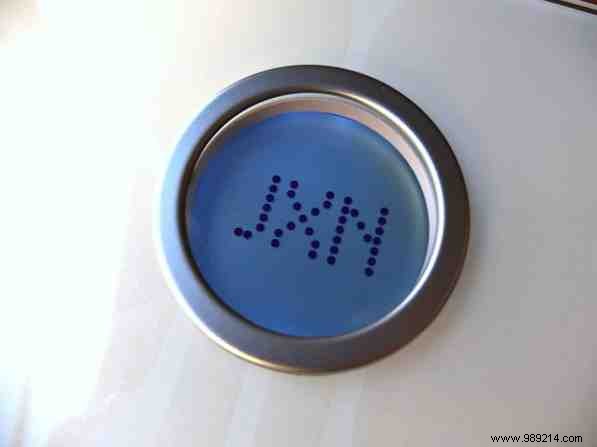
Setup took me 5 minutes, but it requires some tech savvy—like temporarily joining the scale's Wi-Fi network. Beginners may struggle.
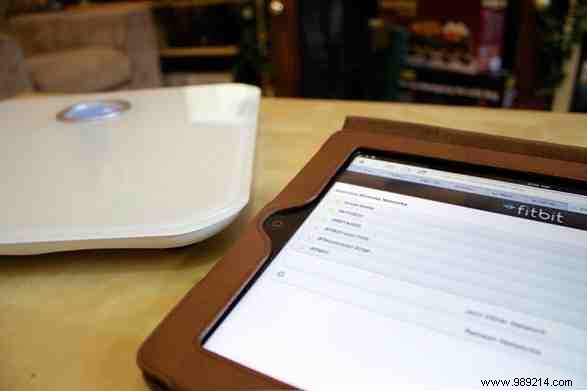
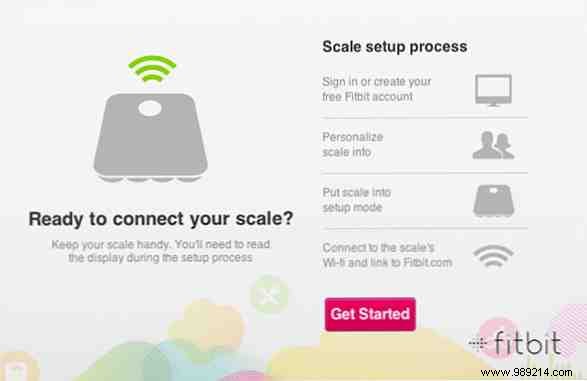
Method 1: Use fitbit.com/scale/setup/start on a mobile device. Remove one battery to enter setup mode (scale creates ad-hoc Wi-Fi). Connect, input your network details (know your security type). Errors mean restarting.
Method 2: Fitbit app on PC/Mac—similar process.
Beyond Wi-Fi syncing, it estimates BMI and body fat via bioelectrical impedance (barefoot on electrodes, mild current). Data trends in your Fitbit account.
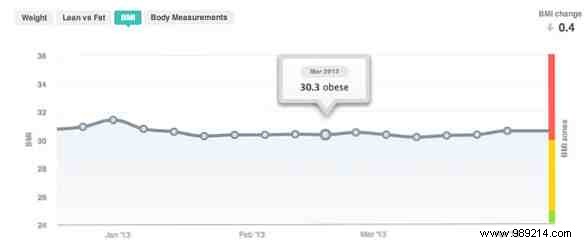
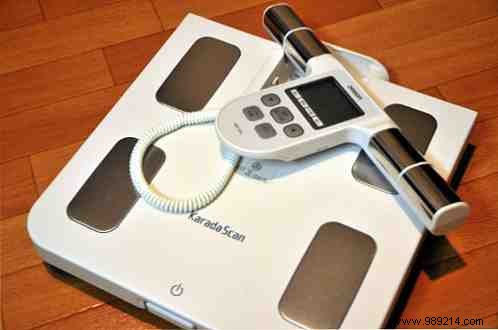
Hydration and timing affect accuracy—treat as trends, not absolutes. Calipers remain the gold standard. Competitors like Omron's KARADA Scan ($70-$200) offer segmental analysis via hand electrodes but lack Wi-Fi.
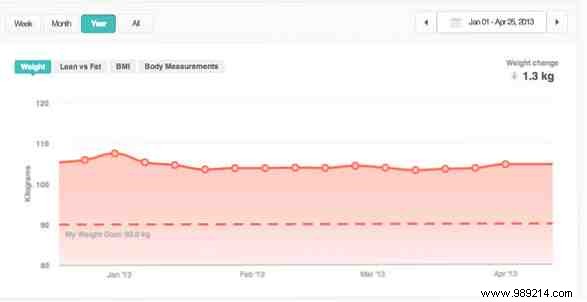
Trends via Fitbit's graphs proved more actionable for me than spot readings.
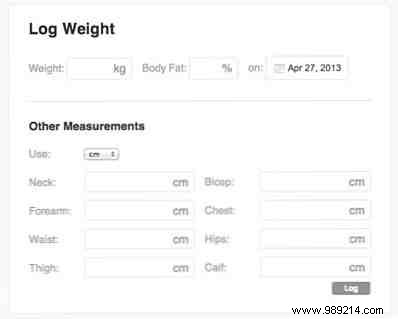
Designed for Fitbit trackers like the One, the dashboard visualizes weight alongside activity. Log body measurements manually via the site.
One month in, the screen's right third failed (still synced weights partially). Daily bathroom splashes likely contributed, but not excessively. Fitbit support responded in hours, shipping a replacement within a week—impressive for an online purchase under warranty. The new unit has held up, suggesting a rare defect.
For effortless weight tracking without app hassles, it's ideal. Body fat trends add value, and Fitbit integration shines with activity trackers. Not lab-precise, but reliable for goals. (I've lost ~1kg in 6 months—winter hibernation culprit.)
Our verdict: Buy if you need simple, automated tracking; skip if manual suffices. 9/10
The contest is closed. Congrats to Debra Turner! You were emailed from admin@989214.com—claim by May 22 or inquiries won't be honored.
