Smart locks have evolved significantly, moving beyond niche tech gadgets and luxury hotel features into everyday home security essentials. As with any investment, thorough research is key—especially if you're new to them.
Don't worry if you're unsure where to start. Drawing from years of reviewing smart home devices, I'll walk you through the critical factors to evaluate, including real-world security tests and top model recommendations.
No feature matters more than robust security. Just as a cheap traditional lock can be picked, a vulnerable smart lock can be hacked quickly by skilled attackers.
Surprisingly, many aren't as secure as you'd hope. At DEF CON 2016, experts Anthony Rose and Ben Ramsey demonstrated vulnerabilities: Quicklock, iBlulock, and Plantraco models used plaintext passwords. Others like Ceomate, Elecycle, Vians, Okidokey, and Mesh Motion required advanced techniques such as replay attacks, device spoofing, and APK decompiling.
That said, secure options exist. Bluetooth locks from Noke, Master Lock, and Kwikset resisted cracking, per the researchers. August locks were initially deemed secure but later compromised at the event.
Consider the Kwikset Kevo series, which offers fingerprint unlocking, usage history, Ring integration, and alerts for suspicious activity.
Modern smart locks come packed with conveniences. Look for these standards; skip models lacking most of them.
Grant temporary or scheduled access without physical keys—ideal for cleaners, guests, or family. August locks let you set time-specific permissions, like Thursday mornings for your cleaner or a stay duration for visitors.
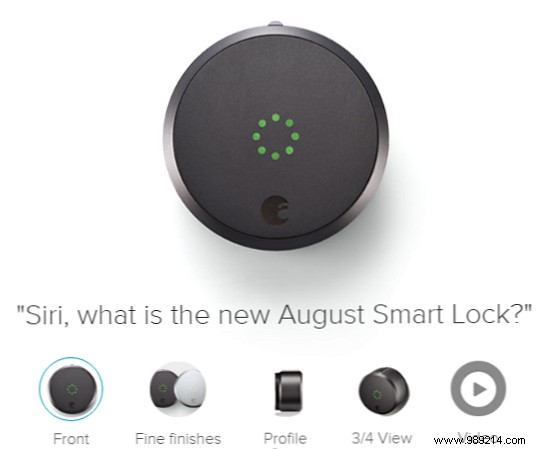
August Smart Lock 2nd Gen - Dark Grey, Works with Alexa Buy Now On Amazon $158.99
Smart locks can still face physical attacks. Top models alert your phone and sound an alarm if tampered with.
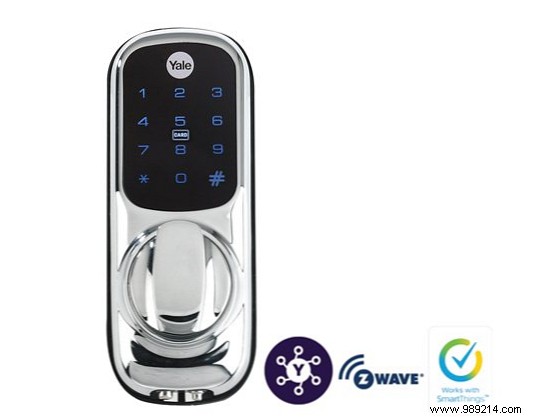
The Yale Smart Lock exemplifies this, notifying you instantly of break-in attempts.
Auto-unlock as you approach home via your phone's location—no fumbling for keys in the rain. Bluetooth-based is safer than Wi-Fi, reducing premature unlocks.
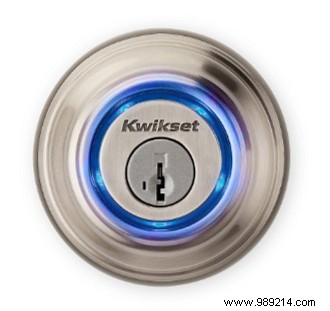
Kwikset Kevo 2nd Gen uses Bluetooth for precise, secure geofencing.
Kwikset - Kevo 99250-203 Kwikset Kevo (2nd Gen) Bluetooth Smart Touch to Open, Works with Amazon Alexa through Kevo Plus, in Venetian Bronze Buy Now On Amazon $172.99
Lock and unlock hands-free with voice commands, often requiring a PIN for safety. The Schlage Sense integrates with Amazon Alexa and Apple HomeKit.
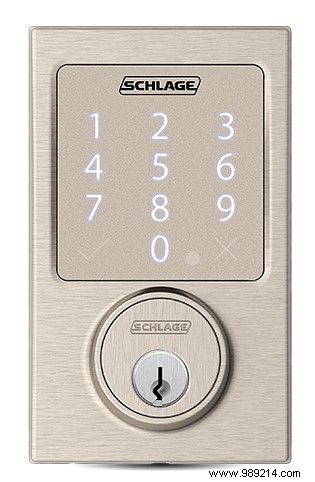
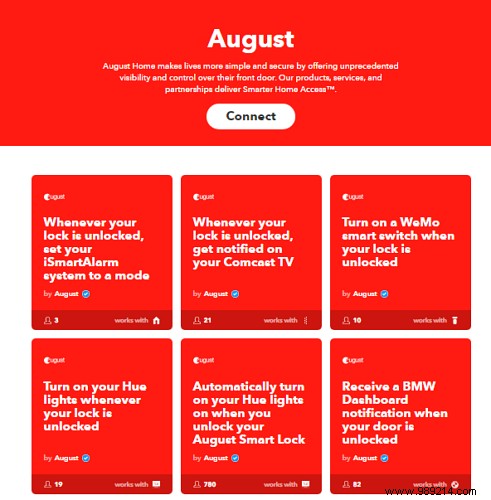
Seamless compatibility with hubs like Nest, Alexa, HomeKit, and SmartThings expands functionality. August and Poly-Control Danalock V2 BT support Alexa, Google Assistant, and more. Many offer IFTTT recipes for automations like notifications or light controls.
Security risks loom large: A stolen phone could trigger geofencing unlocks. Hacks via connected devices (e.g., default-password baby monitors) are possible for experts. Verify physical durability—cheaper models may fail brute-force tests.
Practical issues include battery failure without a backup key or voice glitches locking you out.
Smart locks offer unmatched convenience and security when chosen wisely, but pitfalls exist. Weigh these insights against your needs.
Share your thoughts in the comments below.
